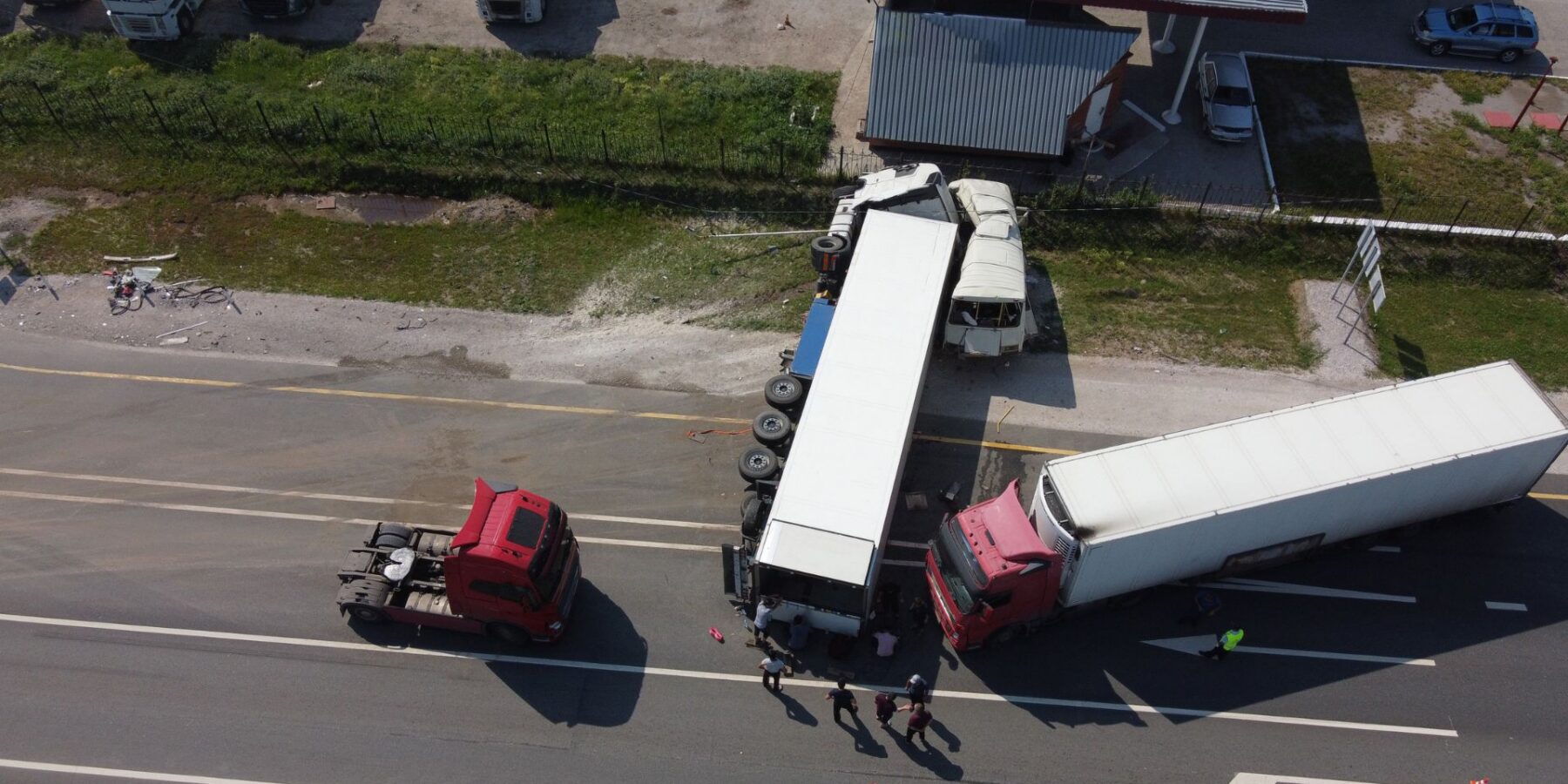
UPS Truck Intersection Accident Attorneys In Georgia
Georgia intersections can turn dangerous fast when a large UPS delivery truck moves through high-volume truck corridors, freight access roads, suburban retail entrances, and I-75, I-85, I-20, and I-285 connector areas. Georgia’s DOT’s crash reports show more than 1.89 million crashes across Georgia roads during the dashboard’s current reporting period, including more than 7,700 fatal crashes and more than 740,000 reported injuries. Georgia’s freight network also connects major highways, intermodal facilities, ports, warehouses, and economic zones, so delivery trucks frequently mix with passenger vehicles in crowded local intersections. People searching for UPS truck intersection accident attorneys in Georgia often need answers before the delivery company, insurer, or defense team shapes the record.
At Evans Litigation and Trial Law, we help injured people understand what makes UPS delivery truck intersection cases different from ordinary car wrecks. These claims often involve company policies, driver conduct, route records, vehicle data, maintenance files, camera footage, and commercial insurance issues. We bring prior insurance defense experience to these cases, which helps our team anticipate how insurers may question fault, injuries, and damages. Call (678) 613-2797 now to discuss a Georgia UPS truck intersection crash with our team.
A strong claim starts with fast action and a clear legal strategy. Yet video can disappear, vehicles can return to service, and insurers may contact victims before they know the full injury picture. We build these cases around evidence, Georgia law, and the real harm caused when a commercial delivery vehicle strikes someone at an intersection.
What Happens After a UPS Truck Hits You at a Georgia Intersection
A UPS truck crash at a Georgia intersection can create problems that begin before the tow truck arrives. UPS truck intersection accident attorneys in Georgia, Evans Litigation and Trial Law, understand how quickly commercial delivery companies and insurers begin protecting their side after a collision. The delivery driver may report the crash through company channels, the vehicle may return to a fleet facility, and the insurer may start reviewing liability before the injured person receives a full diagnosis. For the victim, the most urgent concerns are usually pain, transportation, missed work, and figuring out who will pay for medical care.
- Intersection claims often turn on small facts, such as which lane the truck used, whether the driver had enough room to turn, and whether the truck crossed into another vehicle’s path.
- A delivery truck may leave behind evidence that a normal car does not, including route history, vehicle inspection notes, GPS movement, and internal driver reports.
- Nearby video may come from private businesses, apartment buildings, parking lots, or commercial properties, so preservation requests should happen early.
- The insurer may claim the injured driver should have braked sooner, waited longer, or avoided the truck, even when the delivery vehicle created the danger.
- Pain may spread or intensify after the crash, especially with concussions, disc injuries, nerve pain, shoulder trauma, and knee injuries.
- Treatment records help show how the crash affected the body, the ability to work, and normal daily routines.
- UPS truck intersection accident attorneys in Georgia can review driver conduct, commercial records, roadway layout, witness accounts, and injury documentation before the defense narrows the claim.
The most important point is control. Injured people should not let the company’s version become the only version. A claim becomes stronger when the crash story includes physical evidence, medical proof, and the real effect the collision has on work, health, and daily life.
Why UPS Truck Intersection Accidents Create Complex Injury Claims
A UPS delivery vehicle collision in Georgia at an intersection rarely works like a normal passenger car crash. Delivery trucks create larger blind spots, wider turning paths, and heavier impact forces. These collisions can involve multiple lanes, crosswalks, cyclists, pedestrians, rideshare vehicles, and nearby commercial traffic.
Georgia UPS truck accident claims often involve questions about delivery schedules, route timing, distracted driving, improper turns, and visibility restrictions. The investigation may include traffic signal timing, roadway design, lane markings, and commercial vehicle movement before impact. These details matter when insurers try to reduce responsibility or argue shared fault.
How Delivery Routes Affect Georgia Intersection Crashes
UPS drivers frequently move through residential streets, shopping corridors, office districts, and mixed traffic zones with repeated stops throughout the day. Areas around Buckhead, Downtown Atlanta, Midtown, and suburban delivery corridors often create difficult turning conditions for large package vehicles. Drivers may enter narrow intersections with limited space or blocked sightlines.
A rushed delivery route can create unsafe decisions at intersections. Some crashes happen when a UPS truck attempts a fast left turn through traffic or swings wide into another lane during a right turn. Other collisions happen when drivers focus on package locations, navigation devices, or delivery timing instead of surrounding traffic.
Why Wide Turn Accidents Cause Severe Injuries
UPS delivery trucks need more room than standard vehicles when turning through intersections. A wide right turn can trap a smaller vehicle beside the truck or force another driver into a curb, median, or opposing lane. These crashes often produce side impact injuries involving the neck, spine, ribs, pelvis, or traumatic brain injuries.
Wide turn collisions frequently happen near shopping centers, warehouse districts, and commercial intersections with high delivery activity. Drivers in smaller vehicles may not realize the truck needs additional space until impact occurs. Evans Litigation and Trial Law investigates lane positions, turn paths, and vehicle damage patterns to identify how the crash developed.
How Blind Spots Affect UPS Truck Intersection Safety
Large delivery vehicles contain significant blind spots along both sides of the truck and directly behind the vehicle. A UPS driver may fail to see a car, motorcycle, cyclist, or pedestrian while entering or crossing an intersection. Blind spot crashes often happen during lane changes, turns, or stop-and-go traffic movement.
These collisions become especially dangerous near intersections with multiple lanes or merging traffic. Drivers traveling beside the UPS truck may have little time to react once the vehicle begins turning or shifting lanes. Video footage, witness statements, and crash scene analysis may help establish what the driver could or should have seen before impact.
What Injured Drivers Should Do Immediately After The Crash
The first decisions after a UPS truck crash can affect both medical recovery and financial recovery. Many injured people feel pressure to move quickly, answer questions, or speak with insurers before they understand the full extent of their injuries. Yet early mistakes can weaken an otherwise strong claim.
UPS truck intersection accident attorneys in Georgia often advise injured drivers to focus first on medical documentation, evidence preservation, and crash reporting. Delaying medical care or failing to document the scene may create problems later when insurers question the severity of injuries.
Why Immediate Medical Care Protects Your Claim
Adrenaline often masks symptoms during the first hours after a collision. Some people leave the scene believing they escaped serious harm, only to develop severe pain later that evening or the following morning. Concussions, herniated discs, internal bleeding, shoulder injuries, and soft tissue trauma may worsen gradually. Emergency room records, imaging studies, physician notes, and treatment recommendations may later become central evidence in the claim.
Symptoms That Commonly Appear After Georgia Intersection Crashes
Many injured people experience delayed symptoms after commercial vehicle collisions. Headaches, dizziness, ringing ears, numbness, memory problems, lower back pain, and shoulder stiffness may appear slowly after the crash. These symptoms can interfere with work, sleep, driving, and daily movement.
Intersection collisions involving delivery trucks often create violent side impacts. The body may twist unexpectedly during impact, especially during T-bone crashes. This movement can damage muscles, nerves, joints, and spinal structures without creating visible injuries immediately.
Why Follow-Up Treatment Matters
Some people stop treatment early once pain becomes manageable. Insurance companies often use those gaps to argue the injuries healed quickly or never required significant care. Follow-up treatment creates a clearer medical timeline and helps physicians identify long-term complications.
Ongoing care may include physical therapy, orthopedic treatment, neurological evaluation, pain management, or surgical consultation. Serious UPS truck accident injuries may affect a person’s ability to work, lift objects, drive long distances, or perform physical tasks.
How Insurance Companies Defend UPS Truck Intersection Claims
Commercial insurance carriers often begin evaluating these claims immediately after the collision. Adjusters may review photographs, inspect the vehicles, contact witnesses, and request recorded statements from the injured person. Their goal usually centers on reducing financial exposure before the full damages become clear.
Why Recorded Statements Create Serious Risks
Insurance adjusters often contact injured people within days of the crash. They may ask detailed questions about injuries, speed, signal lights, lane position, visibility, or prior medical conditions. These conversations may seem routine, yet insurers often search for statements they can later use against the claim.
A person recovering from a concussion, medication effects, or physical pain may provide incomplete or inaccurate answers. Even simple phrases such as “I feel okay” may later appear in claim disputes once injuries worsen. Evans Litigation and Trial Law reviews these situations carefully before clients provide detailed statements.
How Adjusters Use Early Statements Against Victims
An adjuster may compare early comments against medical records months later. If symptoms become more severe over time, the insurer may argue the injury was exaggerated or unrelated to the crash. This issue commonly appears in traumatic brain injury claims and spinal injury cases.
Recorded calls may focus heavily on intersection timing and visibility. Adjusters may ask whether the injured person saw the truck before impact or whether they attempted to avoid the collision. These questions often aim to build comparative fault arguments under Georgia law.
Why Early Settlement Offers Often Undervalue The Case
Many UPS truck crash victims receive settlement discussions before physicians fully evaluate the injuries. Early offers may cover emergency room costs and vehicle repairs while ignoring future treatment, lost earning ability, and long-term pain.
A serious injury may require months of treatment before doctors understand the long-term outlook. Some people develop chronic pain, mobility restrictions, or permanent limitations that affect employment and quality of life. Accepting an early payment may prevent additional recovery later.
How Georgia Law Affects UPS Truck Intersection Accident Cases
Georgia follows modified comparative negligence rules. An injured person may recover compensation only if their percentage of fault remains below fifty percent. Insurance companies often use this law aggressively after intersection crashes involving commercial vehicles.
UPS truck intersection accident attorneys in Georgia often investigate whether the delivery driver violated traffic rules, failed to yield, ignored a signal, or turned unsafely. These details can affect liability percentages and financial recovery.
Why Traffic Signal Evidence Matters
Traffic lights, turn arrows, lane markings, and crosswalk signals frequently become major issues after intersection collisions. Witnesses may disagree about signal color or right of way. Video footage and scene analysis can help resolve those disputes.
Some Georgia intersections contain nearby retail stores, gas stations, apartment entrances, or commercial buildings with surveillance systems. Fast evidence preservation can help recover footage before deletion occurs. This evidence may show vehicle speed, turn timing, braking patterns, and lane movement before impact.
How Crash Reconstruction Helps Intersection Claims
Crash reconstruction specialists may analyze skid marks, impact points, vehicle damage, debris patterns, and roadway geometry. Their work can help explain how the collision occurred and whether the UPS truck violated traffic rules.
These investigations become especially important when insurers dispute fault. Physical evidence often reveals details that witness memory alone cannot provide. A detailed reconstruction may strengthen negotiations or support litigation if the claim moves into court.
Why Commercial Vehicle Records Can Change The Case
Commercial delivery vehicles may generate GPS records, inspection reports, route data, maintenance history, and internal company records. These materials may reveal whether the truck received proper maintenance or whether the driver followed safe procedures before entering the intersection.
Evans Litigation and Trial Law sends preservation requests early in serious commercial vehicle cases. Fast action may help secure evidence before routine deletion or record loss occurs. In many UPS truck accident claims, these records help explain how the crash developed and who bears responsibility.
How Can UPS Truck Intersection Accident Attorneys in Georgia Build Your Claim
A UPS truck intersection case becomes stronger when the investigation answers the questions the insurance company will ask first. Who had the right of way? Did the truck swing wide, cut across traffic, block a lane, or enter the intersection before it was safe? Did the driver follow company safety rules, or did route pressure and poor visibility contribute to the crash?
Evans Litigation and Trial Law builds these claims by separating assumptions from proof. The firm reviews physical damage, injury records, driver actions, delivery records, and the intersection layout to show why the crash happened and how it affected the injured person’s life. Alfred Evans’ background defending trucking companies and insurers helps the firm anticipate arguments about shared fault, injury severity, and settlement value before those arguments weaken the claim.
How Georgia UPS Truck Accident Lawyers Investigate The Intersection
Intersection evidence often tells the story before anyone gives a statement. The point of impact, traffic signal pattern, lane markings, crosswalk placement, and nearby business cameras may show whether the UPS truck entered too late, turned too wide, or failed to yield. These details can become especially important when the delivery driver and injured person give different accounts.
A careful investigation should start early. Many cameras overwrite footage within days, and commercial vehicles may return to service soon after a crash. Evans Litigation and Trial Law works to identify evidence sources before they disappear and uses that evidence to build leverage against the insurer.
Reviewing Signal Timing And Driver Movement
Signal timing can help determine whether the UPS truck had the right to enter the intersection. A crash may involve a green light, yellow light, protected turn arrow, flashing signal, or stop sign. Each traffic control device creates different duties for drivers approaching the crossing.
Driver movement matters just as much as signal color. A UPS truck may begin a turn legally, yet still cause a crash by drifting into another lane, cutting across traffic, or failing to account for a pedestrian in the crosswalk. The legal question often turns on whether the delivery driver acted safely under the conditions.
Studying Vehicle Damage And Roadway Position
Damage patterns can reveal the angle and force of impact. A crushed driver’s side door may support a T-bone collision claim. Rear quarter panel damage may suggest the UPS truck turned across the injured driver’s path.
Roadway position can also expose fault. Skid marks, debris fields, final vehicle resting points, and lane locations may help show where the impact occurred. This type of evidence can push back against claims that the injured driver caused the wreck.
Why Scene Details Can Defeat Blame Shifting
Commercial insurers often argue that the injured driver failed to pay attention or entered the intersection too fast. Scene evidence can challenge that claim. Photos, measurements, traffic patterns, and witness statements may show that the UPS truck created the hazard.
These details matter under Georgia fault rules. If the insurer succeeds in placing too much blame on the injured person, compensation may drop or disappear. Strong scene evidence helps protect the claim from unfair fault arguments.
How UPS Truck Intersection Accident Attorneys in Georgia Secure UPS Delivery Truck Evidence
UPS truck accident claims can involve records that ordinary car crash claims never include. Vehicle records may show inspection issues, maintenance gaps, or prior safety concerns. Evans Litigation and Trial Law uses preservation demands to seek key commercial records. These demands can request that the company retain vehicle data, driver materials, maintenance documents, and internal crash reports. This step helps prevent the defense from controlling the evidence.
Requesting Route And GPS Information
Route data can show where the UPS truck traveled before the crash. It may reveal speed, stop history, delivery timing, and movement near the intersection. In some cases, route information may show that the driver approached the crossing from an unexpected lane or made a risky turn to stay on schedule.
GPS information may support or contradict the driver’s statement. If the driver claims a slow turn, data may show a faster approach. If the driver claims a full stop, GPS or related records may show continuous movement.
Reviewing Maintenance And Inspection Materials
Commercial vehicles require regular checks to remain safe on public roads. Maintenance records may reveal brake problems, lighting issues, tire concerns, mirror defects, or camera system failures. These details can matter when a crash involves stopping distance, visibility, or failure to avoid impact.
Inspection materials may also reveal whether the driver reported vehicle issues before the crash. If the company ignored a known safety concern, the claim may involve more than one negligent act. That evidence can increase pressure on the defense during settlement talks.
Why Company Records May Expand Liability
A UPS truck crash may involve more than driver error. The company’s hiring, training, supervision, maintenance, or route planning may play a role. Company records help determine whether the collision resulted from one unsafe decision or a larger safety failure.
This matters in Georgia commercial vehicle accident cases. A broader liability picture may identify stronger insurance coverage and more accountable parties. It can also prevent the defense from blaming only the driver without addressing company conduct.
How Medical Evidence Strengthens A Georgia Injury Claim
A UPS truck crash claim must prove both fault and harm. Even when liability seems clear, the insurer may argue that the injuries are minor, preexisting, or unrelated. Medical evidence helps connect the crash to the physical, emotional, and financial damage.
UPS truck intersection accident attorneys in Georgia review medical records, treatment timelines, work restrictions, imaging results, therapy notes, and future care needs. This review helps show how the intersection crash changed daily life. It also helps prevent an insurer from reducing the claim to emergency room bills alone.
Connecting Symptoms To The Commercial Vehicle Crash
Medical records should explain when symptoms began and how they developed. Neck pain, back pain, headaches, dizziness, numbness, weakness, and sleep problems may all connect to the force of impact. Clear records help doctors and lawyers show the link between the crash and the injury.
The connection becomes stronger when treatment starts early and continues as recommended. Missed appointments and long treatment gaps can create insurance disputes. Consistent care supports the injury timeline and helps measure long-term harm.
Documenting Lost Income And Daily Limitations
A serious UPS truck intersection accident may keep an injured person away from work. Some people miss weeks of pay. Others return with restrictions that reduce hours, duties, or earning capacity.
Daily limitations matter too. A person may struggle to lift a child, drive through intersections, sleep through pain, or stand long enough to work. These details help show the human cost of the crash, not just the medical cost.
Why Future Treatment Changes Claim Value
Some injuries require future care after the initial treatment period ends. A doctor may recommend injections, surgery, long-term therapy, pain management, or specialist evaluation. Future care can significantly affect claim value.
An early settlement may ignore these needs. For that reason, UPS truck intersection accident attorneys in Georgia often wait to evaluate settlement only after the medical picture becomes clearer. That approach helps protect injured people from accepting too little before they know the full cost of recovery.
How UPS Truck Intersection Accident Attorneys in Georgia Counter UPS Insurance Defense Tactics
Commercial insurers often look for weaknesses early. They may question the injury timeline, argue the crash caused limited damage, blame the injured driver, or claim the UPS driver acted reasonably. These defenses can reduce settlement value if no one challenges them with evidence.
Evans Litigation and Trial Law prepares for those tactics from the start. The firm looks for proof that answers the defense before negotiations begin. That preparation can make the claim harder to dismiss and more expensive for the insurer to fight.
Responding To Comparative Fault Claims
Georgia’s comparative fault rules make blame allocation a major issue. The insurer may argue that the injured person drove too fast, failed to brake, changed lanes unsafely, or entered the intersection without caution. Those arguments can damage a claim when evidence remains incomplete.
A strong response uses facts rather than emotion. UPS truck intersection accident attorneys in Georgia may rely on camera footage, witness statements, roadway evidence, vehicle damage, and driver records to show what happened. This evidence helps keep the focus on the UPS truck driver’s conduct.
Challenging Low Settlement Evaluations
Insurers often start with narrow evaluations. They may count current bills and ignore future care, reduced earning capacity, pain, and long-term limitations. They may also discount injuries that do not appear on a basic X-ray.
A detailed demand package can change the discussion. It should explain liability, injuries, medical treatment, work loss, future care, and the effect on daily life. When the demand connects facts to damages, it gives the insurer fewer places to hide.
Why Trial Preparation Improves Settlement Pressure
A claim often settles stronger when the insurer knows the case can move toward litigation. Trial preparation includes organizing evidence, identifying witnesses, reviewing records, and building a clear argument for fault and damages. This work can influence settlement talks long before a courtroom date.
UPS truck intersection accident attorneys in Georgia, Evans Litigation and Trial Law, approach serious commercial vehicle claims with a trial-ready mindset. That does not mean every case goes to court. It means the firm prepares the claim so the insurer understands the injured person will not rely on a weak record or quick offer.
How A Strong Claim Gives Injured Georgians Leverage
A well-built UPS truck intersection claim gives injured people more control. Instead of reacting to insurer pressure, they can rely on documented facts, medical proof, and a clear liability theory. That structure helps the claim reflect the true harm caused by the crash.
UPS truck intersection accident attorneys in Georgia help injured people move from confusion to action. Evans Litigation and Trial Law builds claims through early investigation, commercial vehicle evidence, medical documentation, and a careful response to insurance defenses. When a UPS delivery truck crash causes serious injuries at a Georgia intersection, the right case strategy can protect the claim before the defense defines it.

Contact UPS Truck Intersection Accident Attorneys in Georgia – Evans Litigation and Trial Law, Call 24/7
A UPS truck intersection crash can leave you dealing with pain, medical treatment, missed work, and constant pressure from insurance companies. These cases often involve commercial vehicle records, disputed fault, and serious injuries that continue long after the intersection clears. Evans Litigation and Trial Law investigates UPS delivery truck crashes across Georgia with attention to evidence, roadway conditions, and the tactics insurers use to limit claims. Alfred Evans brings years of experience handling commercial vehicle accident cases involving delivery trucks, traffic intersections, and catastrophic injuries.
If a UPS truck hit you or someone close to you at a Georgia intersection, call (678) 613-2797 or contact us to speak with Evans Litigation and Trial Law and get a free consultation.
Practice Areas
Trust Us With Your Personal Injury Claim
If you or a loved one have been injured, Goldberg & Loren will fight for you every step of the way. We will give our all to secure the compensation you rightfully deserve.

Contact usfor a free consultation.
Phone: (304) 449-5157