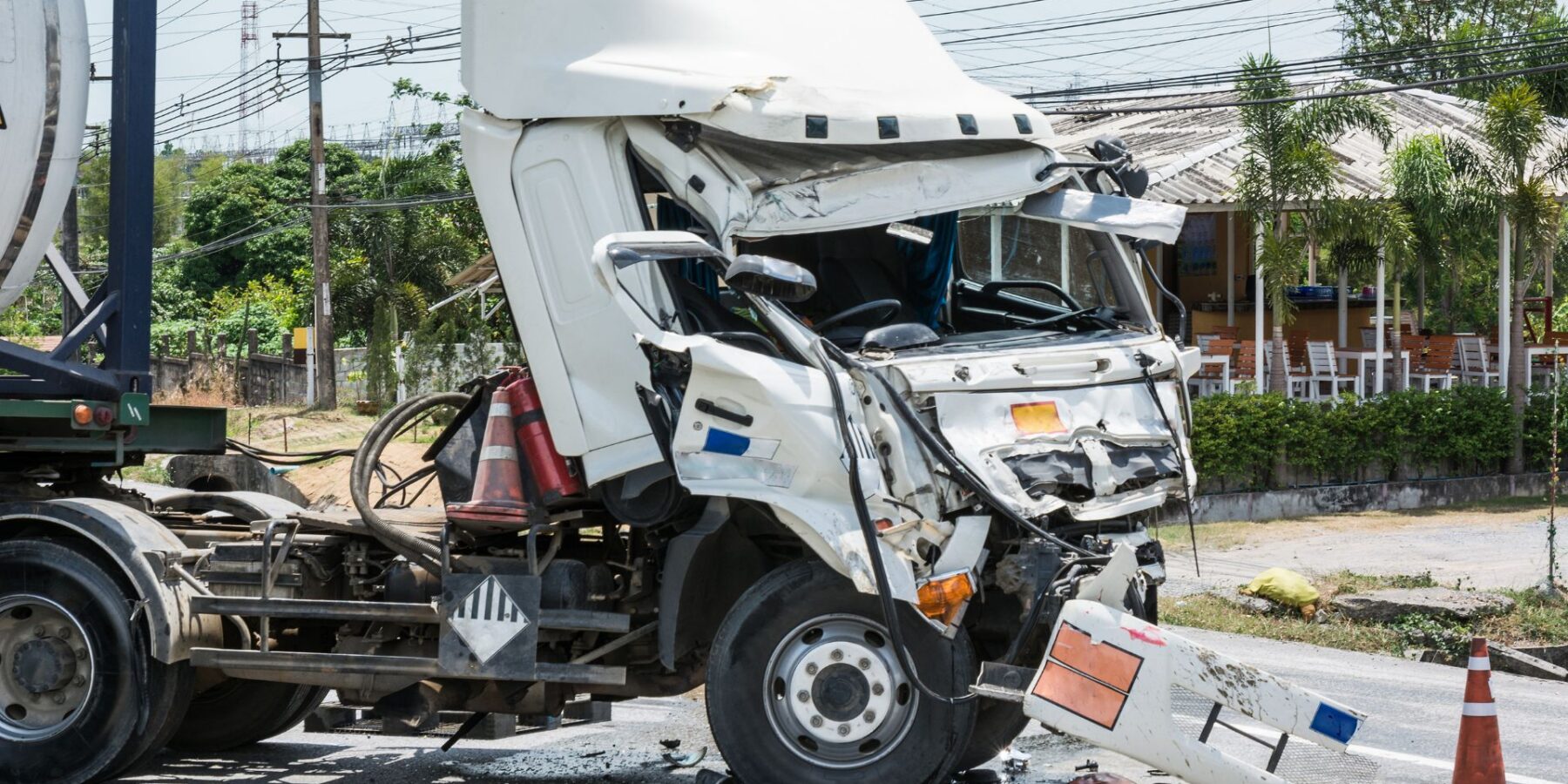
UPS Delivery Truck Accident Attorneys in Georgia
A collision involving a UPS delivery truck can leave injured drivers, passengers, and pedestrians dealing with serious injuries, missed work, and pressure from commercial insurance companies. UPS delivery truck accident attorneys in Georgia often investigate crashes involving package trucks, step vans, and tractor-trailers where company records, driver conduct, vehicle data, and delivery activity all become important to the claim.
Georgia UPS accident cases usually involve more than a basic traffic violation. A crash on I-285, GA-400, I-75, Peachtree Street, or a residential delivery route may require review of maintenance history, route timing, driver training, black box data, and company safety procedures. Evans Litigation and Trial Law handles these commercial vehicle claims with a focus on proving how the collision occurred and why the injuries continue affecting daily life.
Alfred Evans previously handled trucking and insurance defense matters before representing injured people across Georgia. That experience helps identify how commercial insurers evaluate delivery truck crashes, dispute fault, and challenge injury claims after serious collisions involving UPS vehicles. Call (678) 613-2797 today to speak with Evans Litigation and Trial Law about your Georgia UPS delivery truck accident claim.
What Makes UPS Delivery Truck Accident Claims Different From Car Accidents
A collision involving a UPS delivery truck can create legal and factual issues that most Georgia drivers never face after a typical car wreck. These crashes often happen in dense traffic near loading zones, apartment complexes, retail corridors, school pickup routes, and narrow residential streets where delivery activity stays constant throughout the day. In Atlanta alone, UPS vehicles move through areas near Midtown, Buckhead, the Downtown Connector, Howell Mill Road, Buford Highway, and crowded suburban delivery zones in Cobb and Gwinnett County. The conditions surrounding these collisions often involve commercial deadlines, repeated stops, obstructed visibility, and aggressive route scheduling that make the investigation far more involved than a routine insurance claim. UPS delivery truck accident attorneys in Georgia must examine more than impact damage and witness statements; a complete claim may involve company dispatch records, onboard technology, route timing data, maintenance history, internal safety policies, and federal transportation rules. These details can determine whether the crash resulted from rushed delivery expectations, poor vehicle upkeep, distracted driving, or failures inside the company’s operating structure. Evans Litigation and Trial Law approaches these cases with attention to the commercial side of the collision rather than treating the wreck like an ordinary passenger vehicle claim.
UPS Delivery Drivers Operate Under Different Pressures Than Passenger Drivers
A person driving home from work does not face the same operating conditions as a UPS delivery driver handling dozens or hundreds of package stops during a shift. UPS drivers often move through unfamiliar neighborhoods, heavy traffic corridors, and time-sensitive routes that leave little room for delay. In metro Atlanta, delivery trucks frequently enter tight shopping centers, side streets, office parking decks, and crowded residential communities where visibility changes block by block.
Those conditions increase the risk of sudden lane changes, unsafe backing maneuvers, hurried turns, and collisions involving stopped traffic. Delivery trucks may stop repeatedly along roads such as Peachtree Road, Roswell Road, Memorial Drive, or Northside Drive where traffic patterns shift constantly during the day. Unlike a standard car accident, a UPS truck collision may involve operational decisions made hours before the crash even occurred.
Delivery Timelines Can Affect Driver Conduct
UPS drivers often work under route expectations tied to delivery volume and timing. During high-demand periods near holidays or major online shopping events, drivers may spend long hours moving through Georgia neighborhoods with very little recovery time between stops. That pressure can affect reaction time, judgment, and attention behind the wheel.
A crash near Lenox Road or the Perimeter area may involve a driver attempting to complete deliveries quickly before traffic worsens. In suburban areas like Alpharetta or Lawrenceville, a delivery driver may reverse into a driveway or cut across lanes to reach the next stop faster. These decisions can become central issues during a commercial vehicle investigation.
Repeated Stops Create Different Crash Patterns
UPS delivery vehicles create traffic interruptions that passenger vehicles rarely cause. Drivers may stop near intersections, block narrow lanes, or pull onto shoulders without much warning. These patterns increase the likelihood of rear-end crashes, pedestrian impacts, cyclist collisions, and side-swipe accidents.
In neighborhoods near schools or apartment complexes, delivery vehicles may reverse unexpectedly or block sightlines for nearby drivers. Investigators must review whether the delivery stop itself created an unsafe traffic condition before impact occurred.
Residential Delivery Zones Increase Blind Spot Risks
UPS trucks move through residential communities every day across Fulton County, DeKalb County, and surrounding metro Atlanta areas. Children, cyclists, rideshare drivers, and pedestrians often share the same narrow roads where delivery trucks attempt frequent stops.
Large package vehicles create wide blind spots near the rear corners and passenger side. A driver backing near parked cars or turning through a subdivision entrance may never see a nearby pedestrian or approaching vehicle. These risks become more serious during evening delivery hours when visibility decreases.
UPS Truck Accident Claims Often Require Commercial Evidence Preservation
Many Georgia car accident claims rely heavily on photographs, repair estimates, and insurance communications. UPS truck accident cases usually involve commercial evidence that may disappear quickly without immediate action. A delivery company may already begin reviewing the crash internally within hours after the collision.
UPS delivery truck accident attorneys in Georgia often seek evidence tied to vehicle movement, delivery activity, driver performance, and truck condition. Without preservation requests, some of this information may become difficult to recover later in the case.
Black Box Data Can Reveal Vehicle Movement Before Impact
UPS delivery vehicles may contain electronic systems that track speed, braking patterns, throttle activity, steering movement, and route positioning before impact. This data may show whether the driver attempted sudden braking, accelerated through traffic, or failed to react before the crash.
A collision on I-285 involving stop-and-go traffic may initially appear unclear based on witness accounts alone. Black box information may later reveal that the UPS truck traveled too fast for traffic conditions or failed to reduce speed before impact.
GPS Tracking May Show Unsafe Route Decisions
GPS systems can reveal how long a driver remained on the road, where the vehicle stopped, and whether unusual route activity occurred before the crash. In some cases, the route data may support arguments involving fatigue, distraction, or rushed driving behavior.
For example, a truck traveling through downtown Atlanta after multiple hours of continuous deliveries may show abrupt route deviations or repeated stop patterns shortly before the wreck. That information can help reconstruct how the collision developed.
Internal Communications Can Become Important Evidence
UPS supervisors and dispatch systems may communicate with drivers throughout the day regarding delivery expectations, timing, or route adjustments. Those communications may become relevant if the driver faced unusual pressure or attempted to meet unrealistic deadlines.
Commercial claims sometimes reveal that company expectations influenced the driver’s conduct before impact. Investigators may review whether internal messaging contributed to unsafe driving decisions.
UPS Truck Accidents Involve Larger Insurance and Defense Structures
A typical car accident claim usually involves one insurance carrier and one adjuster reviewing the case. UPS truck accident claims often involve corporate insurers, rapid-response investigators, legal representatives, and claims teams focused on limiting exposure from the beginning.
That difference affects how evidence develops after the crash. Commercial insurers may inspect the vehicle immediately, gather statements quickly, and begin building defenses before injured people fully understand their medical condition.
Corporate Insurers Frequently Challenge Injury Severity
UPS truck accident claims often involve spinal injuries, shoulder injuries, traumatic brain injuries, fractures, and long-term pain conditions caused by the weight of the commercial vehicle. Insurance companies may still argue that the injuries came from prior conditions or low-impact force.
This issue becomes common after crashes involving slower traffic movement where visible vehicle damage appears limited. Medical records, imaging studies, and physician documentation become important tools for connecting the collision to the injury diagnosis.
Comparative Fault Defenses Appear Frequently
Georgia follows modified comparative negligence rules, which means fault percentages directly affect financial recovery. Commercial insurers often use this law aggressively in UPS truck accident cases. The company may argue that the injured driver followed too closely, failed to yield, changed lanes improperly, or ignored traffic conditions.
A UPS truck making deliveries near crowded Atlanta intersections may stop suddenly or attempt unsafe turns during traffic congestion. Even in those situations, the insurer may still attempt to transfer partial blame onto the injured driver to reduce claim value.
UPS Delivery Truck Crashes Can Involve Multiple Liable Parties
A standard passenger vehicle collision may involve only the drivers involved in the wreck. UPS truck accidents may include several parties connected to the vehicle, route operations, maintenance process, or cargo activity.
This broader liability structure changes how the claim develops. Investigators may review company policies, repair contracts, loading procedures, and vehicle ownership records to determine whether another party contributed to the collision.
Vehicle Maintenance Contractors May Share Responsibility
Some commercial vehicles rely on outside maintenance providers for inspections and repairs. Brake failures, steering defects, tire problems, or lighting issues may involve companies other than the delivery driver.
If investigators discover skipped inspections or unsafe repairs, liability may extend beyond UPS itself. These details become important after crashes involving brake failure, tire blowouts, or nighttime visibility problems.
Cargo Loading Practices Can Affect Truck Stability
Improper cargo placement may affect how a delivery vehicle handles turns, braking, and lane movement. Unbalanced loads can shift during transportation and contribute to rollovers or loss-of-control crashes.
A UPS truck traveling through elevated interstate ramps near downtown Atlanta may respond differently if cargo weight shifts unexpectedly during movement. Cargo records and loading procedures may become part of the investigation in these situations.
Manufacturer Defects May Affect Commercial Vehicle Safety
Some delivery truck crashes involve defective brakes, steering systems, cameras, mirrors, or safety equipment. A manufacturer defect may contribute to the collision even if the driver attempted to avoid impact.
Mechanical inspections can help determine whether the truck itself created an additional safety risk before the wreck occurred.
How Can UPS Delivery Truck Accident Attorneys in Georgia Help After a Crash
The hours after a UPS truck crash often become just as important as the collision itself. Commercial vehicle claims move differently from ordinary insurance cases, especially when the wreck involves serious injuries, disputed fault, or a delivery vehicle operating in heavy Georgia traffic. UPS and its insurance representatives may begin reviewing the crash immediately. Meanwhile, injured people often leave the scene without realizing how much evidence can disappear within days.
UPS delivery truck accident attorneys in Georgia help preserve information before it gets lost, altered, or buried inside a corporate claims process. That work may involve obtaining crash scene photographs, reviewing camera footage from nearby businesses, examining vehicle data, identifying witnesses, and protecting medical documentation connected to the collision. Evans Litigation and Trial Law approaches these cases with attention to how commercial trucking companies defend claims from the beginning. Georgia law generally gives injured people two years to file most truck accident injury claims, which makes early investigation important after a UPS delivery truck crash.
Early Investigation Can Change the Direction of a UPS Truck Claim
UPS delivery crashes often happen in areas where evidence disappears quickly. Traffic cameras may overwrite footage within days. Nearby businesses may erase security recordings automatically. Skid marks fade after rain or heavy traffic. A fast investigation can preserve details that later become central to proving fault.
This issue becomes more important after collisions near high-volume Georgia roads such as I-75, I-85, GA-400, Jimmy Carter Boulevard, or Memorial Drive, where traffic patterns create confusion about how the wreck happened. A commercial truck investigation often requires more than reviewing a police report.
Crash Scene Documentation Helps Explain Vehicle Positioning
UPS delivery trucks stop frequently and often operate near curbs, loading areas, shopping centers, and apartment entrances. A crash may involve blocked visibility, sudden stopping, unsafe backing, or delivery parking that interrupted traffic flow. Photographs taken immediately after the collision can show details that disappear once the vehicles leave the roadway.
Scene documentation may reveal whether the UPS vehicle blocked a lane, stopped too close to an intersection, or created a traffic hazard before impact. These facts can help explain why another driver could not avoid the crash.
Tire Marks and Debris Patterns May Support Fault Arguments
Commercial vehicle crashes often leave roadway evidence that helps reconstruct movement before impact. Tire marks may reveal whether the UPS driver attempted braking late or failed to react before the collision. Debris patterns can show where impact occurred and how the vehicles moved afterward.
This information becomes important after crashes involving lane disputes or intersection collisions. A driver traveling through downtown Atlanta or near the Perimeter area may face conflicting witness statements about who entered traffic first. Physical roadway evidence can help resolve those disputes.
Witness Interviews Become More Important in Delivery Truck Crashes
UPS delivery drivers move through busy public areas where multiple people may see the collision occur. Witnesses may include nearby residents, retail employees, rideshare drivers, construction crews, or pedestrians near the scene.
Their observations can become valuable if the company later disputes fault. A witness may remember that the UPS driver reversed suddenly, rolled through a stop sign, or attempted a rushed turn across traffic. Those details often disappear if no one speaks with witnesses early.
Attorneys Can Preserve Commercial Truck Evidence Before It Changes
UPS vehicles may contain route records, GPS information, onboard technology data, maintenance reports, and delivery activity logs connected to the collision. Some of this evidence remains under company control shortly after the wreck.
A preservation effort may help protect records tied to braking activity, route timing, driver conduct, inspection history, and vehicle movement before impact.
Delivery Records May Reveal Unsafe Driving Conditions
UPS delivery schedules can show whether the driver handled an unusually high package volume or moved through unrealistic route expectations before the wreck. Long shifts combined with congested Georgia traffic can affect attention, reaction time, and safe decision-making.
For example, a delivery driver traveling through Midtown Atlanta near rush hour may have completed dozens of stops before the crash occurred. Route pressure and repeated traffic exposure can become part of the liability analysis.
Maintenance Histories Can Expose Prior Vehicle Problems
Commercial delivery vehicles require constant inspection and maintenance. Brake wear, steering problems, damaged mirrors, tire issues, and lighting failures can contribute to crashes involving UPS trucks.
A maintenance review may show whether the vehicle experienced prior safety complaints or skipped inspections. This information becomes especially important after rear-end collisions, nighttime crashes, and wrecks involving loss of vehicle control.
Medical Documentation Plays a Larger Role in UPS Injury Claims
Commercial vehicle crashes often create injuries that develop over time rather than immediately at the scene. Neck injuries, disc damage, shoulder trauma, nerve symptoms, and head injuries may worsen gradually during the days after impact. Insurance companies frequently focus on gaps in treatment or delayed diagnosis when reviewing UPS truck accident claims.
Delayed Symptoms Can Affect the Insurance Investigation
Many injured people initially decline emergency treatment after a UPS crash. Adrenaline and shock often hide pain during the first several hours. Later, symptoms such as headaches, dizziness, numbness, lower back pain, or limited mobility may begin interfering with daily activity.
Commercial insurers may argue that delayed symptoms came from another cause unrelated to the collision. Medical records that explain symptom progression can help connect the injuries directly to the wreck.
Follow Up Treatment Can Strengthen Injury Documentation
UPS truck collisions often involve heavier impact forces than ordinary passenger vehicle crashes. Even low-speed delivery truck impacts may create injuries involving spinal discs, joint damage, muscle tears, or concussive symptoms.
Consistent treatment helps document how the injuries affect movement, sleep, work activity, driving ability, and daily routines. This documentation often becomes more important than the initial emergency room visit itself.
Medical Imaging Can Clarify Serious Injury Claims
Commercial insurers sometimes argue that soft tissue injuries should heal quickly. MRI studies, nerve testing, orthopedic evaluations, and neurological imaging may reveal more serious structural damage after a UPS truck collision.
Imaging evidence can support claims involving herniated discs, nerve compression, traumatic brain injuries, and shoulder tears. These conditions may require months of treatment long after the vehicles leave the crash scene.
UPS Truck Accident Attorneys Help Handle Insurance Pressure
Commercial insurance companies often contact injured people soon after the collision. Adjusters may ask for recorded statements, broad medical authorizations, or quick settlement discussions before treatment fully develops.
A fast settlement may benefit the insurer more than the injured person. Once a settlement closes, additional medical complications often become the responsibility of the injured driver rather than the insurance company.
Recorded Statements Can Damage Strong Claims
Insurance representatives may ask questions that appear routine during the first phone call after the crash. Injured people may unintentionally minimize symptoms, estimate speed incorrectly, or make statements about fault before all evidence becomes available.
UPS delivery truck accident attorneys in Georgia help protect the claim from these early communication problems. A careful response strategy allows the investigation to develop before major statements shape the case.
Insurers Often Search for Comparative Fault Arguments
Georgia comparative negligence law allows insurers to reduce compensation if they assign partial blame to the injured person. UPS insurers may argue that another driver followed too closely, drove aggressively, or failed to react in time.
These arguments appear frequently after rear-end crashes, delivery stop collisions, and turning accidents involving package trucks. Evidence collection becomes critical for countering these defenses.
Early Settlement Offers May Ignore Long-Term Costs
UPS truck injuries sometimes require months of treatment before the full medical impact becomes clear. A settlement offered during the first weeks after the crash may fail to account for future therapy, missed work, surgery, or ongoing pain complications.
A proper case review looks beyond current medical bills and considers how the injuries may continue affecting employment, physical activity, and everyday function.
Litigation Preparation Can Increase Leverage During Negotiations
UPS truck accident claims often involve larger insurance policies and more aggressive defense strategies than ordinary car wreck cases. Insurance companies evaluate whether the injured person appears prepared to pursue the claim fully if negotiations fail.
UPS delivery truck accident attorneys in Georgia, Evans Litigation and Trial Law, prepare commercial vehicle cases with attention to evidence preservation, liability analysis, medical proof, and long-term damages. This preparation places pressure on the defense to evaluate the claim seriously rather than assuming the injured person will accept a quick resolution.
Accident Reconstruction May Clarify Complex UPS Crashes
Some UPS delivery truck collisions involve disputed traffic movement, limited visibility, or conflicting witness accounts. Accident reconstruction analysis may help explain speed, braking distance, turning movement, and impact positioning.
This becomes important after crashes near interstate ramps, congested intersections, or multi-vehicle collisions involving commercial delivery trucks. Reconstruction findings may support liability arguments that ordinary crash reports fail to explain clearly.
Expert Analysis Can Strengthen Catastrophic Injury Cases
Serious UPS truck crashes may involve future medical care, permanent disability, spinal injuries, or traumatic brain damage. Medical experts, vocational specialists, and life care planners may help explain how the injuries affect long-term function and earning ability.
These cases require more than repair estimates and emergency room records. Strong documentation can help show the full impact of the collision months and years after the wreck occurred.

Speak With UPS Delivery Truck Accident Attorneys in Georgia – Evans Litigation and Trial Law and Get a Free Case Review
UPS delivery truck crashes often leave injured drivers dealing with far more than a damaged vehicle. Many people spend weeks trying to manage medical appointments, insurance calls, missed paychecks, and growing physical limitations after a collision involving a commercial delivery vehicle. Evans Litigation and Trial Law handles these cases with a focus on detailed investigation, commercial trucking evidence, and the unique issues that surround Georgia delivery truck accidents.
A collision involving a UPS truck on roads like I-75, GA-400, Cobb Parkway, or crowded Atlanta surface streets can raise questions that do not appear in ordinary car accident cases. The right investigation can show whether the crash came from unsafe timing, poor vehicle condition, or decisions made before the truck reached the scene. Alfred Evans previously handled trucking and insurance defense matters before representing injured people across Georgia, which provides insight into how commercial carriers often approach serious delivery truck injury cases.
If a UPS delivery truck injured you or someone in your family, speak with UPS delivery truck accident attorneys in Georgia, Evans Litigation and Trial Law, before important evidence disappears or the insurance company gains control of the narrative. Call (678) 613-2797 or contact us today to discuss your Georgia UPS truck accident case.
Practice Areas
Trust Us With Your Personal Injury Claim
If you or a loved one have been injured, Goldberg & Loren will fight for you every step of the way. We will give our all to secure the compensation you rightfully deserve.



Contact usfor a free consultation.
Phone: (304) 449-5157