
Augusta Truck Accident Lawyers
Truck crashes in Augusta, Georgia, can leave people facing hospital visits, lost income, damaged vehicles, and calls from commercial insurance adjusters within days. Large trucks are rated by weight, with ratings over 10,000 pounds, which is why these cases often involve severe injuries, multiple insurance policies, and detailed commercial records. The Augusta truck accident lawyers at Evans Litigation and Trial Law help injured drivers and passengers protect claims before trucking companies and insurers control the evidence. The firm reviews crash facts, driver conduct, carrier records, medical proof, and Georgia liability issues with the urgency these cases demand.
Evans Litigation and Trial Law brings a useful perspective to truck accident cases in Augusta. Alfred Evans has been licensed in Georgia since 2000, and public attorney profiles describe his earlier work defending trucking companies, truck drivers, and insurers. We use driver logs, maintenance records, dispatch files, and black box data to look beyond the crash report and examine whether unsafe hiring, poor maintenance, fatigue, cargo problems, or corporate pressure played a role. If you were hurt in a truck crash, call (678) 613-2797 to speak with Evans Litigation and Trial Law about your next step.
We help clients build claims around evidence, medical records, wage loss, future care, and the full disruption caused by a commercial vehicle crash. When the case calls for trial preparation, we prepare from the start rather than waiting for negotiations to fail.
How To File a Truck Accident Claim in Augusta, Georgia
Filing a truck accident claim in Augusta starts with taking steps that protect both your health and your evidence. After a crash involving a tractor-trailer, delivery truck, or other commercial vehicle, injured people should report the collision, get medical care, collect available proof, notify the proper insurance companies, and preserve trucking company records before they become harder to obtain. These claims often require more than a basic accident report because commercial carriers may have driver logs, inspection records, maintenance histories, GPS data, dispatch communications, and insurance information that can affect liability. Augusta truck accident lawyers at Evans Litigation and Trial Law can help organize the claim from the beginning and identify the evidence needed to prove negligence.
Commercial carriers often respond faster than injured drivers expect, especially after collisions involving tractor-trailers on Interstate 20, Bobby Jones Expressway, Gordon Highway, or major industrial corridors near Augusta Regional Airport. Trucking companies may contact insurers immediately, preserve selected evidence, and begin preparing defenses before the injured person understands the extent of the injuries. A strong claim requires fast investigation, organized medical proof, and a direct plan for proving negligence against commercial defendants.
Federal trucking cases may include electronic logging device data, truck inspection reports, dispatch communications, maintenance histories, GPS tracking, and driver qualification records. Evans Litigation and Trial Law approaches these claims with a focus on evidence preservation, liability analysis, and trial preparation from the beginning. This process matters after severe truck crashes where insurers attempt to minimize injuries, dispute medical treatment, or shift blame onto the injured driver.

Report the Truck Accident Before Evidence Changes
To file a truck accident claim in Augusta, you should:
- Report the crash to law enforcement and make sure an official accident report is created.
- Get medical care as soon as possible, even if some injuries seem minor at first.
- Collect evidence from the scene, including photos, videos, witness information, and vehicle damage.
- File an auto insurance claim, but avoid giving recorded statements before understanding your rights.
- Document your losses, including medical bills, missed income, pain, daily limitations, and repair costs.
- Preserve trucking company records, including electronic logging device data, maintenance records, inspection reports, dispatch communications, GPS data, and driver qualification files.
The first report often shapes how insurers evaluate the crash. Police officers may document lane positions, impact points, road conditions, witness information, traffic flow, and signs of driver fatigue or distraction. Truck accident investigations in Augusta often involve the Georgia State Patrol or local law enforcement agencies familiar with commercial vehicle enforcement.
A police report creates an important starting point, but truck accident claims usually require a deeper review. Commercial carriers may dispute the officer’s findings later, especially if the report lacks information about braking distance, black box data, or federal safety violations. Filing the claim early gives an Augusta truck accident attorney time to compare the report against electronic records and physical evidence.
Why Augusta Crash Locations Matter in Truck Accident Claims
Truck accidents in Augusta near Washington Road, River Watch Parkway, Deans Bridge Road, and I-520 often involve high commercial traffic volume. Augusta serves as a major transportation route between Atlanta, Columbia, Savannah, and regional industrial centers. That traffic creates conditions where overloaded trucks, fatigued drivers, and rushed delivery schedules increase collision risks.
Location can affect liability analysis. A crash near a warehouse corridor or freight route may raise questions about dispatch timing, unsafe lane changes, or traffic congestion involving commercial vehicles. Evans Litigation and Trial Law reviews roadway conditions, traffic patterns, and freight movement when building truck accident claims in Augusta.
Trucking Routes Can Reveal Unsafe Company Practices
Delivery timelines can pressure truck drivers to speed, skip breaks, or continue driving after fatigue sets in. Electronic logs and dispatch records sometimes show whether the trucking company created unrealistic schedules before the collision. These details may support negligence claims against both the driver and the carrier.
Commercial traffic patterns can also explain why certain crashes happen repeatedly in the same areas. Rear-end truck collisions near congested highway exits often involve delayed braking, distracted driving, or unsafe following distances by commercial drivers.
Seek Medical Treatment Before Symptoms Grow Worse
Truck accidents often cause injuries that become more painful hours later. Adrenaline may temporarily hide symptoms involving the spine, neck, head, shoulders, or internal organs. Emergency treatment creates a direct medical record connecting the collision to the injury.
Medical documentation can influence the value of the claim from the beginning. Insurance companies review emergency room records, imaging studies, specialist evaluations, and treatment timelines closely. Delays in treatment may allow insurers to argue that the injury came from another event or lacked seriousness.
Why Truck Accident Injuries Require Long-Term Documentation
Commercial or 18-wheelers truck crashes often create long recovery periods. Victims may require surgery, physical therapy, neurological care, orthopedic treatment, pain management, or rehabilitation. A complete claim must account for both current treatment and future medical needs.
Augusta truck accident lawyers use medical records to show how the injury affects work, mobility, daily routines, and future earning capacity. Truck accident settlements often depend on how clearly the records explain the long-term effects of the collision.
Insurance Companies Often Challenge Delayed Symptoms
Some injuries do not appear immediately after impact. Brain injuries, herniated discs, nerve damage, and internal trauma may worsen over several days. Trucking insurers may use early gaps in treatment to question the claim later.
Consistent treatment creates a timeline that supports the injured person’s account. Follow-up appointments, specialist visits, imaging scans, and therapy records help explain how the injuries developed after the Augusta truck crash.
Preserve Black Box Data and Trucking Records Quickly
Commercial vehicles often contain event data recorders that track speed, braking, throttle activity, steering input, and sudden changes before impact. Trucking companies may overwrite or lose this information during routine operations.
Evans Litigation and Trial Law sends preservation demands early in truck accident cases involving serious injuries or wrongful death. These letters request protection of black box data, electronic logging device records, maintenance reports, dispatch communications, and onboard camera footage.
Federal Trucking Records Can Strengthen Negligence Claims
Federal Motor Carrier Safety Administration regulations require trucking companies to maintain certain records involving inspections, repairs, driver qualifications, and hours-of-service compliance. Those records may reveal violations connected to the crash.
A driver who exceeded federal driving limits may have operated the truck while fatigued. Maintenance reports may show repeated brake problems ignored before the collision. Driver qualification files may reveal prior safety issues or poor hiring decisions by the carrier.
Electronic Logging Devices May Contradict Driver Statements
Truck drivers sometimes claim they rested properly before the collision. Electronic logging device data may tell a different story. GPS movement, fuel receipts, dispatch records, and electronic logs can expose inconsistencies that affect liability.
These records become especially important after catastrophic truck crashes involving fatal injuries, underride collisions, or highway pileups. Augusta truck accident lawyers may work with accident reconstruction professionals to connect electronic data to the physical evidence from the scene.
Identify Every Liable Party in the Truck Accident Claim
The trucking company, trailer owner, maintenance provider, cargo loading company, broker, or vehicle manufacturer may share responsibility depending on the facts.
Commercial claims require broader investigation than ordinary passenger vehicle collisions. A company that ignored brake repairs or pressured drivers into unsafe schedules may face liability separate from the driver who caused the wreck.
Trucking Companies Often Attempt To Limit Their Exposure
Commercial carriers frequently argue that the driver acted independently. This strategy attempts to narrow the claim and protect company assets. Corporate records sometimes reveal deeper operational problems involving supervision, maintenance, or training.
A truck accident lawyer reviews contracts, ownership records, maintenance agreements, and insurance policies to identify every source of potential compensation. This approach matters when catastrophic injuries create long-term financial losses.
Cargo Loading Errors Can Cause Serious Augusta Truck Crashes
Improperly loaded cargo can shift during transport and destabilize the trailer. Uneven weight distribution may contribute to jackknife accidents, rollover crashes, and lost-load incidents across Augusta highways.
Cargo records and shipping documentation may help identify who loaded the truck before the collision. These details can expand the claim beyond the trucking company itself.
Avoid Insurance Company Tactics After the Collision
Commercial trucking insurers often contact injured drivers quickly after a crash. Adjusters may request recorded statements before the injured person understands the severity of the injuries. They may ask narrow questions focused on speed, lane position, or prior medical history.
Early statements can create problems later if symptoms worsen or new diagnoses appear. Insurance companies may compare those statements against later medical records in an attempt to reduce claim value.
Quick Settlement Offers Often Protect the Insurance Company
An early settlement may sound appealing after a serious truck accident. Medical bills, lost income, and vehicle damage can create immediate financial pressure. Still, fast settlements often arrive before doctors determine future treatment needs.
A truck accident claim should reflect the full impact of the collision, including future surgeries, rehabilitation, reduced earning ability, and permanent limitations. Evans Litigation and Trial Law reviews medical evidence carefully before discussing final settlement numbers.
Commercial Insurance Policies Can Involve Large Financial Exposure
Truck accident cases often involve higher insurance limits than ordinary car crashes. Severe injuries, wrongful death claims, and multi-vehicle collisions can place millions of dollars at stake. This financial exposure explains why trucking companies defend these claims aggressively.
Insurers may dispute fault, challenge treatment, or argue comparative negligence under Georgia law. Strong preparation can place pressure back on the defense and improve settlement positioning.
Work With Augusta Truck Accident Lawyers Before Critical Deadlines Pass
Truck accident claims involve filing deadlines, evidence preservation deadlines, and insurance reporting issues that can affect compensation. Waiting too long may allow records to disappear or witnesses to become harder to locate.
Evans Litigation and Trial Law helps injured drivers and families investigate serious truck accidents across Augusta and surrounding Georgia communities. Alfred Evans brings former trucking and insurance defense experience that helps anticipate the strategies carriers often use after major commercial vehicle collisions.
Augusta truck accident lawyers can manage insurer communication, preserve trucking evidence, organize medical proof, and prepare the case for litigation if negotiations fail. Early action often gives injured victims a stronger position before the trucking company gains control of the narrative.
How Augusta Truck Accident Lawyers Prove Trucking Company Negligence
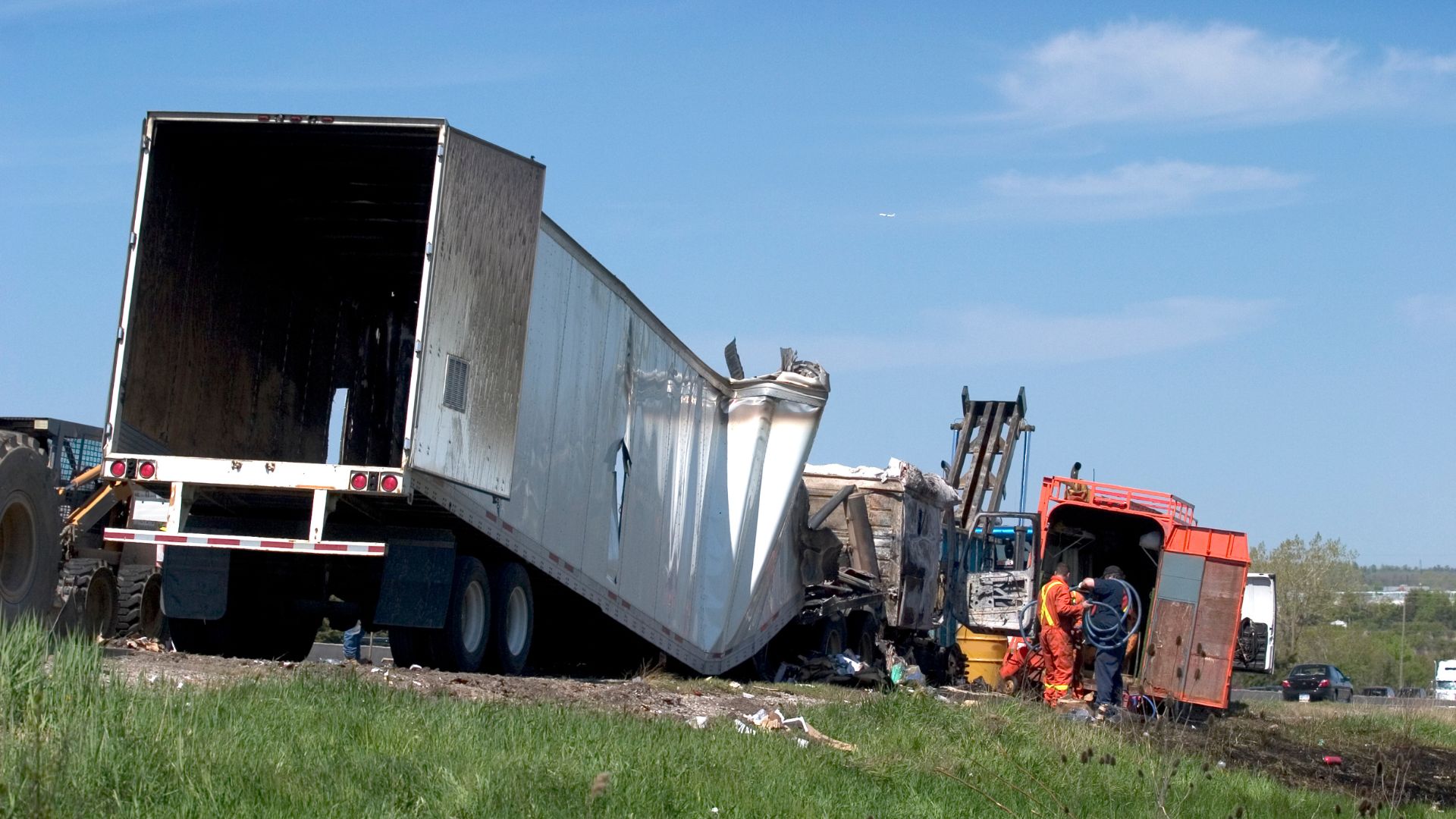
Truck accident cases often involve more than one careless decision. A collision on Interstate 20 or Bobby Jones Expressway may begin with driver fatigue, but the deeper investigation may reveal unsafe scheduling, ignored maintenance warnings, poor hiring practices, or pressure from the trucking company itself. Proving negligence in a commercial truck accident case requires more than photographs and a police report. It requires records, electronic data, industry rule analysis, and evidence that explains why the crash happened in the first place.
Augusta truck accident lawyers build these claims by examining both the driver and the trucking company. Evans Litigation and Trial Law investigates whether the carrier followed federal safety requirements, monitored drivers properly, repaired dangerous equipment, and enforced safe operating standards. This process helps expose conduct that may not appear in the first insurance report after the crash.
Review Driver Conduct Before the Truck Collision
The trucking company may argue that the collision happened suddenly and without warning. Driver records often tell a different story. Commercial truck operators must follow federal rules involving driving hours, rest periods, inspections, and safe operation standards.
Augusta truck accident lawyers review whether the driver followed those obligations before the crash. This review can include logbooks, electronic logging device records, dispatch communications, cellphone activity, inspection reports, and prior driving history.
Driver Fatigue Can Reveal Company Negligence
Truck drivers often face pressure involving delivery deadlines, freight schedules, and route demands. A company that rewards unrealistic driving schedules may create conditions where fatigue becomes unavoidable. Fatigued truck drivers can lose focus, drift between lanes, brake too late, or fall asleep behind the wheel.
Hours-of-service records may show whether the driver exceeded federal driving limits before the Augusta collision. Dispatch records may reveal whether the company encouraged unsafe driving practices despite those restrictions.
Sleep Deprivation Often Appears in Multiple Records
A fatigued driver may leave evidence in more than one place. Fuel receipts, GPS tracking, toll records, electronic logs, and weigh station timestamps may expose inconsistencies in the driver’s reported schedule.
These records can help prove the trucking company knew, or should have known, that the driver lacked proper rest before the collision. This evidence often becomes important after catastrophic truck crashes involving fatalities or severe spinal injuries.
Distracted Truck Driving Can Support Liability Claims
Commercial truck drivers spend long hours on highways and urban routes. Distraction involving phones, dispatch systems, navigation devices, or onboard communication tools can reduce reaction time significantly. Large trucks require greater stopping distance, which makes distracted driving even more dangerous.
An Augusta accident lawyer may review phone records, onboard communication logs, and black box data after the crash. This information can help determine whether distraction contributed to the collision.
Delayed Braking Can Show Driver Inattention
Black box systems may record braking activity seconds before impact. A delayed braking response may suggest the driver failed to notice stopped traffic or changing road conditions in time.
This issue appears frequently in rear-end truck accidents near Augusta highway exits and congested traffic areas. Heavy commercial vehicles cannot stop quickly once traffic slows unexpectedly.
Examine Trucking Company Hiring Practices
A trucking company has a duty to hire qualified commercial drivers. Carriers should review driving records, prior safety violations, license status, medical qualifications, and training history before placing a driver on Georgia highways.
Augusta truck accident lawyers investigate whether the company ignored warning signs during the hiring process. Unsafe hiring practices can expose the company to liability separate from the driver’s actions.
Poor Driver Screening Can Increase Collision Risks
Some trucking companies struggle to keep drivers and may lower hiring standards to fill positions quickly. A company may hire drivers with prior crashes, suspended licenses, failed inspections, or repeated safety violations.
Personnel records can reveal whether the carrier overlooked dangerous history before the Augusta truck accident. These records may also show whether the company failed to provide proper training after hiring the driver.
Inexperienced Drivers May Lack Safety Training
Commercial truck driving requires more than basic vehicle operation. Drivers must understand blind spots, cargo weight distribution, braking distance, turning radius, and emergency maneuvering.
A poorly trained driver may react incorrectly during traffic congestion, severe weather, or roadway construction near Augusta freight corridors. Training records may help prove the company placed an unprepared driver behind the wheel.
Investigate Truck Maintenance and Inspection Failures
Commercial trucks require regular inspections and maintenance. Brake systems, tires, lights, steering components, suspension systems, and trailer connections must remain in safe working condition. A trucking company that skips repairs or delays inspections may create danger on Georgia roads.
Augusta truck accident lawyers review maintenance records carefully after major collisions. Repair logs, inspection reports, mechanic notes, and service schedules may reveal safety issues ignored before the wreck.
Brake Failures Often Lead to Severe Truck Crashes
Large commercial trucks need greater stopping distance than passenger vehicles. Worn brakes, overheating systems, and poor maintenance can increase stopping distance dramatically during traffic slowdowns.
Brake failure crashes often occur near congested Augusta highway exits and downhill roadway sections. Investigators may examine maintenance history to determine whether the company ignored prior brake warnings before the collision.
Tire Problems Can Cause Loss of Truck Control
Tire blowouts can cause tractor-trailers to jackknife, overturn, or cross multiple lanes of traffic. Poor tire maintenance may involve uneven tread wear, improper inflation, or delayed replacement.
Maintenance records may reveal whether the trucking company failed to inspect the tires properly before the vehicle entered service. This evidence can support negligence claims involving unsafe fleet maintenance.
Analyze Black Box Data and Electronic Records
Modern commercial trucks contain electronic systems that record driving activity before a collision. Black box data may show speed, steering input, throttle activity, braking patterns, and sudden vehicle movement before impact. Trucking companies control much of this evidence immediately after the crash, which makes early investigation critical.
Black Box Records Can Contradict Insurance Defenses
A truck driver may claim traffic stopped suddenly, or another vehicle caused the collision. Electronic data may reveal excessive speed, delayed braking, or unsafe following distance before impact.
This evidence can become especially important in disputed liability cases involving multi-vehicle collisions. Objective electronic records often carry more weight than conflicting verbal statements.
Electronic Logs May Expose Federal Safety Violations
Federal trucking regulations require electronic logging devices in many commercial vehicles. These systems track driving hours and rest periods.
Augusta truck accident lawyers may compare electronic logs against dispatch records, fuel receipts, and GPS tracking information. Inconsistencies may suggest the driver exceeded legal driving limits or falsified rest periods before the crash.
Review Cargo Loading and Freight Distribution
Improper cargo loading can destabilize a commercial truck and increase rollover risk. Uneven weight distribution may shift during turns, sudden braking, or highway lane changes.
Cargo loading companies may share responsibility when unsafe freight practices contribute to a truck accident. Bills of lading, shipping records, and loading documentation may help identify who handled the cargo before transport.
Overloaded Trucks Create Dangerous Highway Conditions
Excessive cargo weight can increase stopping distance and reduce vehicle control. Overloaded trailers place greater stress on brakes, tires, and suspension systems.
Truck accidents involving overloaded freight often occur during emergency braking situations or sharp roadway turns. These crashes can involve multiple vehicles and severe injuries across Augusta highways.
Shifting Cargo Can Trigger Jackknife Accidents
Unsecured cargo may shift suddenly during travel. This movement can throw the trailer off balance and cause the trucks to fold inward during braking.
Investigators may review cargo securement methods and loading procedures after serious truck crashes. Improper freight handling can expand liability beyond the driver and trucking company.
Build a Strong Negligence Case Through Evidence
Truck accident cases depend on documentation, timing, and detailed investigation. A trucking company may attempt to narrow the claim to driver error alone, even when corporate decisions contributed to the collision.
Evans Litigation and Trial Law investigates trucking company conduct, federal safety compliance, vehicle maintenance, hiring practices, and electronic records after serious commercial vehicle crashes. Alfred Evans brings prior trucking and insurance defense experience that helps identify weaknesses in carrier defenses before negotiations begin.
Augusta truck accident lawyers can use trucking records, medical evidence, witness testimony, and accident reconstruction analysis to prove negligence after a serious collision.
How Long Do Augusta Truck Accident Cases Usually Take To Resolve
Most Augusta truck accident cases take anywhere from several months to more than a year to resolve. Cases involving minor injuries and clear liability may settle within six to nine months. However, serious truck accident claims involving spinal injuries, brain trauma, surgery, or disputed fault often take much longer because the trucking company and insurer usually fight high-value claims aggressively.
The timeline depends heavily on medical treatment and evidence collection. Doctors often need time to determine whether the injured person will require surgery, long-term therapy, future rehabilitation, or permanent work restrictions. At the same time, trucking companies may dispute liability, review black box data, analyze driver logs, and challenge the severity of injuries before serious settlement discussions begin.
Truck accident lawsuits usually take longer than insurance claims alone. Once litigation begins, both sides exchange records, review maintenance reports, inspect trucking company files, question witnesses, and analyze electronic driving data. Cases involving Interstate 20 truck crashes, multiple vehicles, wrongful death claims, or federal trucking violations often require additional investigation before reaching settlement negotiations or trial.
Early Investigation Often Shapes the Truck Accident Timeline
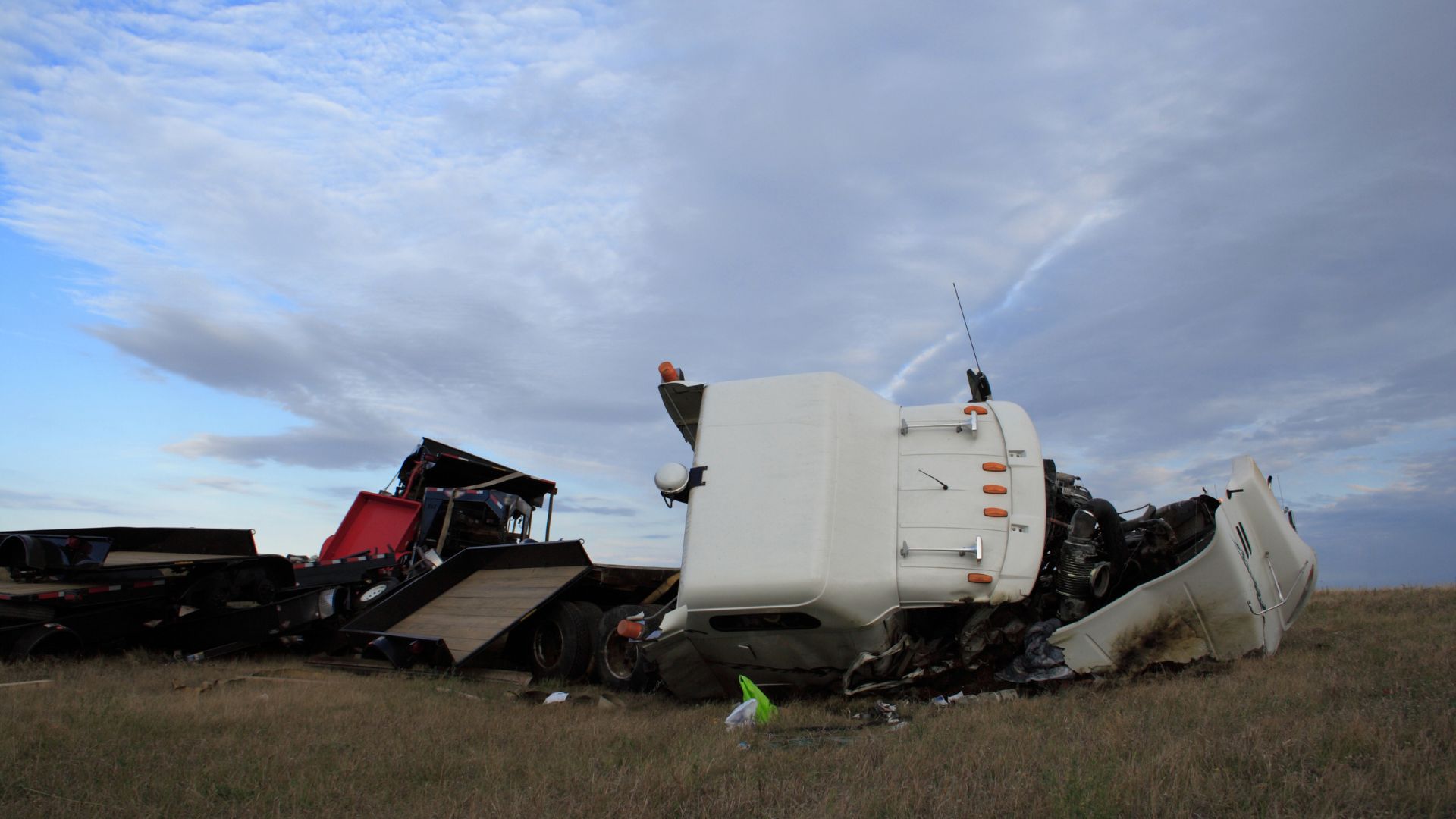
The first weeks after a truck accident can affect the entire direction of the claim. Trucking companies often preserve selected evidence quickly, but they may not volunteer information that weakens their defense. Early investigation helps secure black box data, maintenance records, driver logs, dispatch communications, and witness statements before evidence becomes harder to obtain.
Augusta truck accident lawyers may begin reviewing liability before the injured person leaves the hospital. This early work can shorten delays later in the case by identifying safety violations and responsible parties sooner.
Trucking Companies Often Conduct Immediate Internal Reviews
Commercial carriers frequently send an investigator who may photograph vehicles, inspect roadway conditions, interview drivers, and begin preparing defenses before insurance negotiations start.
A trucking company may already know whether the driver exceeded hours-of-service limits, skipped inspections, or violated company safety policies. Evans Litigation and Trial Law works to secure those records early rather than waiting until key evidence disappears.
Fast Evidence Preservation Can Prevent Delays Later
Missing black box data, unavailable witnesses, or overwritten electronic logs can create unnecessary arguments during negotiations. This process can keep the case moving while strengthening the injured person’s position against the trucking company.
Medical Treatment Often Determines Case Length
Truck accident injuries can require months of treatment before doctors understand the long-term impact fully. Brain injuries, spinal trauma, orthopedic damage, and internal injuries may continue affecting the victim long after the initial collision.
Augusta truck accident lawyers usually wait until doctors can evaluate future medical needs before final settlement discussions begin. This approach helps prevent injured victims from accepting compensation before understanding future surgeries, rehabilitation costs, or permanent work limitations.
Severe Injuries Usually Require Longer Claim Development
Minor injury claims may resolve faster when treatment ends quickly, and liability remains clear. Serious truck accident cases often take longer since the damages continue developing over time.
A person recovering from spinal surgery or traumatic brain injury may need extended therapy, neurological evaluations, and future medical care projections. Insurance companies usually review these records closely before discussing larger settlements.
Ongoing Treatment Can Increase Claim Value
Long-term treatment often strengthens the claim when the records clearly connect the injuries to the truck collision. Consistent medical documentation may show worsening symptoms, reduced mobility, chronic pain, or permanent disability.
Insurance companies may attempt to pressure injured victims into early settlements before the treatment picture becomes complete.
Liability Disputes Can Extend Truck Accident Cases
The trucking company may blame traffic conditions, road design, weather, or the injured driver rather than accepting responsibility for the collision. Augusta truck accident lawyers may need additional investigation when multiple vehicles, conflicting witness statements, or commercial safety violations complicate the case. These disputes can extend negotiations significantly.
Comparative Negligence Arguments Can Slow Resolution
Georgia follows a modified comparative negligence system. Insurance companies may attempt to reduce payouts by arguing the injured driver contributed to the crash. Commercial insurers may claim the victim changed lanes improperly, stopped suddenly, or failed to react fast enough. Evans Litigation and Trial Law examines black box records, roadway evidence, witness statements, and accident reconstruction analysis to challenge these defenses.
Multi-Vehicle Truck Crashes Often Require Deeper Investigation
Chain reaction collisions involving tractor-trailers can create complicated liability questions. One crash may involve several passenger vehicles, multiple insurers, and conflicting versions of events.
Investigators may need to determine which vehicle triggered the collision sequence and how the truck driver responded before impact. These investigations take time, especially after catastrophic interstate crashes involving fatalities or severe injuries.
Insurance Company Tactics Can Delay Settlement Discussions
Commercial truck insurers often move differently from standard automobile insurance companies. Large trucking claims may involve significant financial exposure, especially after wrongful death accidents or permanent disability injuries.
Insurance carriers may delay negotiations while reviewing medical records, investigating prior injuries, or challenging liability evidence. Augusta truck accident lawyers prepare for these tactics by organizing records early and building pressure through detailed claim preparation.
Trucking Insurers Frequently Challenge Medical Costs
Delivery truck accident injuries often generate substantial medical bills involving surgery, rehabilitation, imaging studies, specialist care, and long-term therapy. Insurance companies may argue that some treatment was unrelated or unnecessary.
These disputes can slow settlement discussions significantly. Evans Litigation and Trial Law works to connect medical treatment directly to the crash through records, physician opinions, and treatment timelines.
Early Settlement Offers Often Undervalue Serious Injuries
Commercial insurers sometimes present quick offers shortly after the collision. These offers may appear attractive during periods of financial stress, especially when medical bills and lost wages continue growing.
Early settlements usually arrive before doctors understand future medical limitations fully. Accepting compensation too soon may leave injured victims responsible for later treatment expenses that were never included in the original settlement.
Federal Trucking Violations May Increase Investigation Time
Hours-of-service records, inspection histories, maintenance reports, driver qualification files, and cargo securement records may all become important evidence. A truck accident lawyer may spend months gathering and analyzing these records before entering serious settlement discussions. Federal violations can strengthen the case significantly, but the investigation process often takes additional time.
Black Box Data Analysis Can Affect the Timeline
Electronic control modules and black box systems may contain valuable information involving speed, braking, steering, throttle input, and sudden vehicle movement before impact.
Specialists may need to retrieve and analyze this data after the crash. Technical review can delay negotiations initially, but it may strengthen the case substantially once the evidence becomes clear.
Driver Log Violations May Reveal Unsafe Company Practices
Electronic logging devices can reveal whether the truck driver exceeded legal driving limits or failed to rest properly before the collision. Dispatch communications may show pressure from the trucking company involving unrealistic schedules or unsafe deadlines.
These records can shift the case from ordinary driver negligence into broader corporate liability. That expanded investigation often requires additional time but may increase the overall claim value significantly.
Lawsuits and Trial Preparation Extend the Case Process
Some truck accident claims settle during negotiations, while others require formal litigation. Filing a lawsuit introduces discovery deadlines, depositions, expert witness review, and court scheduling requirements.
Augusta truck accident lawyers prepare every truck accident case with trial readiness in mind. This preparation often strengthens settlement negotiations since trucking companies know the case can proceed into litigation if necessary.
Discovery Can Uncover Additional Evidence
The discovery process allows both sides to request records, question witnesses, and gather additional information under oath. Trucking companies may have to produce maintenance records, safety manuals, employment files, and internal communications during this stage.
Discovery often uncovers evidence that was unavailable during the early investigation. Internal company records may reveal repeated safety violations, prior inspection failures, or ignored maintenance concerns.
Trial Scheduling Can Add Several Additional Months
Court scheduling depends on several factors, including case complexity, expert availability, and local court calendars. Serious truck accident cases involving catastrophic injuries may require substantial preparation before the trial begins.
Even after a lawsuit is filed, many trucking companies continue settlement discussions rather than risk a public trial. Strong preparation can create negotiation pressure before the courtroom phase starts.
Strong Preparation Often Leads to Better Truck Accident Outcomes
Truck accident cases should be handled carefully rather than quickly. Serious injuries, federal safety records, electronic evidence, and commercial insurance defenses all affect how long the claim may take.
Evans Litigation and Trial Law prepares Augusta truck accident cases through organized investigation, detailed medical review, and aggressive evidence preservation. Alfred Evans uses former trucking and insurance defense insight to anticipate how commercial carriers handle high-value injury claims after major collisions. We can help injured victims understand why some claims resolve within months while others require extended litigation.
Contact Evans Litigation and Trial Law After an Augusta Truck Accident – Free Case Review
A serious truck accident can leave you dealing with medical treatment, lost income, insurance pressure, and uncertainty about what comes next. Evans Litigation and Trial Law helps injured victims across Augusta investigate truck crashes, preserve trucking records, and pursue compensation that reflects the full impact of the injury.
Truck accident claims involving 18-wheelers, delivery trucks, and commercial vehicles require detailed investigation and strong preparation from the start. Alfred Evans brings experience handling trucking and insurance defense matters, which helps identify the strategies commercial carriers often use after major crashes. If you or a family member suffered injuries in a commercial truck collision, call (678) 613-2797 or contact us today to speak with Evans Litigation and Trial Law about your Augusta truck accident claim.
Practice Areas
Trust Us With Your Personal Injury Claim
If you or a loved one have been injured, Goldberg & Loren will fight for you every step of the way. We will give our all to secure the compensation you rightfully deserve.




Contact usfor a free consultation.
Phone: (304) 449-5157