Jackknife Truck Accident Attorneys in Georgia
A jackknife truck crash can turn an ordinary drive into a serious injury claim within seconds. If you are searching for Jackknife Truck Accident Attorneys in Georgia, you may be dealing with a folded tractor-trailer, multiple damaged vehicles, painful injuries, and a trucking insurance company that already wants to control the story. Evans Litigation and Trial Law helps injured people across Georgia after serious commercial truck crashes involving semi trucks, 18 wheelers, big rigs, and tractor-trailers.
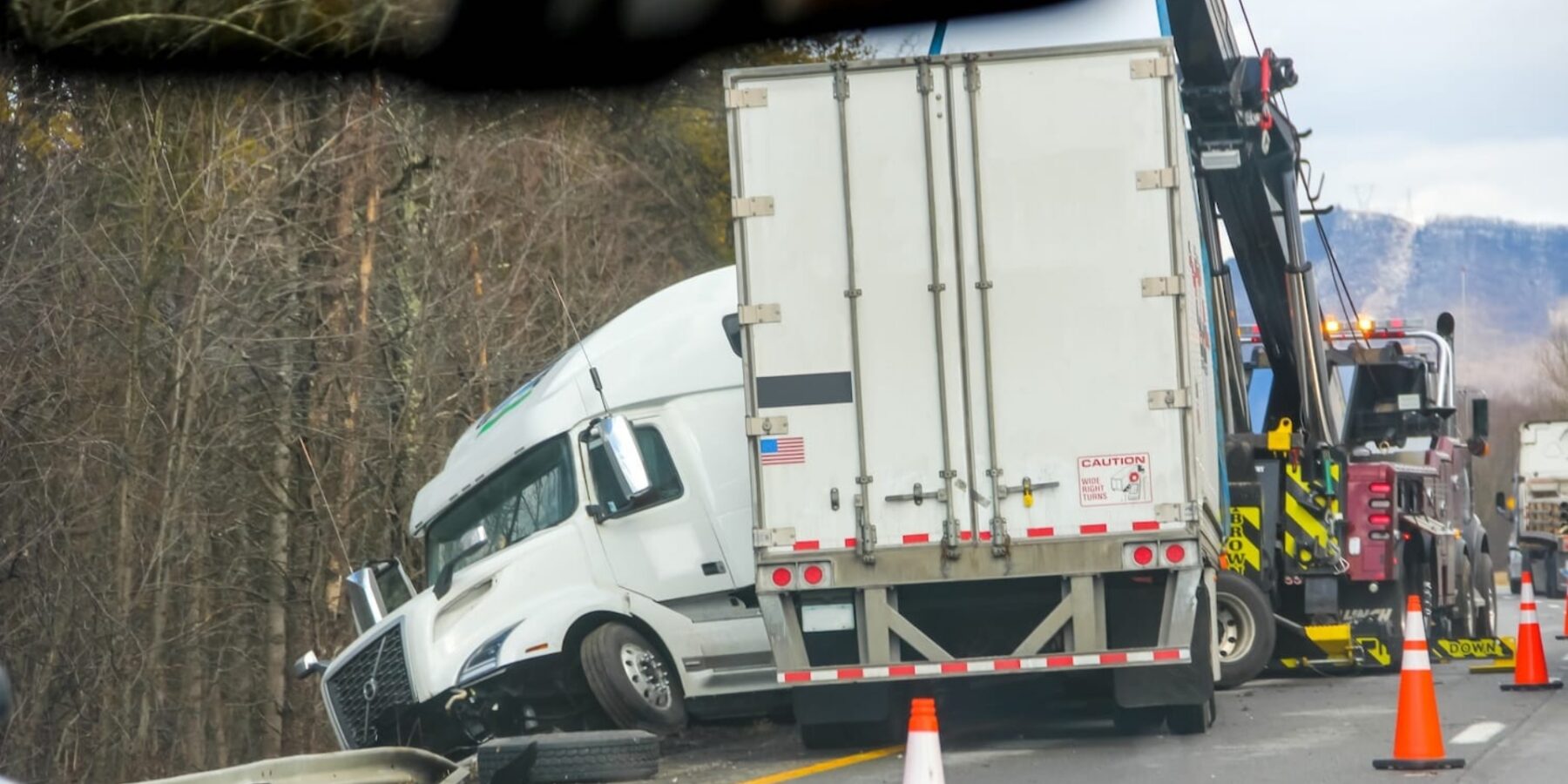
A jackknife accident happens when the trailer swings out from behind the cab and folds toward the truck at an angle. These crashes often happen when a truck driver brakes too hard, travels too fast for rain or traffic, loses control on an interstate, or operates a truck with worn brakes or unsafe tires. Once the trailer swings across lanes, nearby drivers may have nowhere to go. A single jackknifed truck can cause sideswipe crashes, underride collisions, rear-end impacts, and chain reaction wrecks on Georgia roads.
You do not need to figure out the trucking company’s defense on your own. Evans Litigation and Trial Law can investigate the crash, look for evidence the insurance company may not volunteer, and help you understand what your claim may be worth. Call (678) 613-2797 now for a free consultation with a Georgia truck accident attorney who can help protect your claim from the start.
Why You Need Jackknife Truck Accident Attorneys in Georgia After a Serious Semi Truck Crash
A jackknife crash can leave you with more questions than answers. The truck may have folded across several lanes, blocked traffic, hit multiple vehicles, or caused another driver to crash while trying to avoid the trailer. When that happens, the trucking company and its insurance carrier may start building their defense before you even know what evidence exists.
Evans Litigation and Trial Law helps injured people in Georgia understand what happened, who may be responsible, and what steps can protect their claim. A jackknife truck accident case often depends on fast evidence collection. The truck’s electronic data, driver logs, maintenance records, inspection history, cargo documents, and crash scene evidence can tell a very different story than the insurance company’s first explanation.
How a Jackknife Semi Truck Accident Can Trap Drivers in a Multi-Vehicle Collision
A jackknife semi truck accident can block several lanes at once because the trailer swings out from behind the cab. Drivers near the truck may have only seconds to react. Some may hit the trailer, swerve into another lane, collide with a guardrail, or become part of a chain reaction crash.
These collisions often cause serious injuries because passenger vehicles cannot absorb the force of a commercial truck impact. A driver may suffer head trauma, spinal injuries, broken bones, internal injuries, or severe soft tissue damage. Even when the first impact looks minor, the secondary crashes can make the injuries worse.
This is one reason you need a Georgia jackknife truck accident attorney who understands how to review the whole crash sequence. The first vehicle hit may not tell the full story. The real cause may involve the truck driver’s braking, speed, lane position, cargo weight, road conditions, or equipment failure.
Why Jackknifed Tractor Trailers Create Dangerous Roadblocks on Georgia Interstates
A jackknifed tractor-trailer can turn into a wall across the roadway. On Georgia interstates like I-75, I-85, I-20, I-16, and I-285, traffic may move too fast for nearby drivers to stop safely. When the trailer swings across lanes, other vehicles may have nowhere to escape.
This type of crash can become even more dangerous at night, during rain, or in heavy Atlanta area traffic. A driver approaching the scene may see brake lights too late or misjudge how much of the roadway the trailer blocks. That confusion can cause additional impacts after the initial jackknife.
Evans Litigation and Trial Law can look at how the crash developed instead of accepting a simple accident report summary. Skid marks, dash camera footage, witness statements, road design, traffic flow, and truck data may all help explain why the tractor-trailer folded across the road. The details matter because they can show whether the crash came from preventable choices.
How Chain Reaction Crashes Can Complicate Jackknife Truck Injury Claims
A chain reaction crash can make the fault harder to understand. Several drivers may hit each other after the truck jackknifes, and each insurance company may try to blame someone else. That can leave an injured person stuck between competing stories.
A lawyer can separate the first cause from the later impacts. The truck may have created the hazard even if another vehicle made contact with you. That distinction matters because the trucking company may still share responsibility when its driver or equipment caused the dangerous situation.
Your claim should account for every responsible party. In a serious jackknife crash, that may include the truck driver, trucking company, maintenance contractor, cargo loader, or another driver who made the crash worse. A careful investigation gives your attorney a stronger basis to push back when insurers try to shrink the claim.
Why Jackknife 18 Wheeler Accident Claims Often Involve More Than One Liable Party
Jackknife 18-wheeler accident claims often involve more than the truck driver. A driver may have braked too hard, followed too closely, driven too fast for conditions, or failed to control the trailer. Those facts matter, but they may only tell part of the story.
The trucking company may have created pressure that made the crash more likely. Poor training, unsafe delivery schedules, ignored maintenance warnings, or weak safety supervision can all affect how a truck ends up jackknifing on a Georgia road. A company should not hide behind the driver if its own decisions helped cause the crash.
Other parties may also play a role. A maintenance provider may have failed to repair brakes or tires. A cargo company may have loaded freight unevenly. A truck manufacturer or parts company may become relevant if a defective component contributed to the loss of control.
How Trucking Company Decisions Can Lead to Jackknife Semi Truck Accidents
A trucking company controls many of the conditions that shape a driver’s safety. The company may decide who gets hired, how drivers get trained, how routes are scheduled, and how trucks get maintained. If the company cuts corners, a jackknife crash may trace back to those choices.
For example, a driver who never received proper training on wet road braking may panic in traffic. A driver pushed to meet a tight delivery window may travel too fast for road conditions. A truck kept in service despite brake complaints may become unsafe when the driver needs to stop quickly.
A Georgia truck accident law firm should look beyond the moment of impact. Evans Litigation and Trial Law can examine whether company policies, dispatch pressure, inspection failures, or poor training helped cause the crash. That broader review can reveal liability that the insurance carrier may prefer to avoid.
Why Company Safety Records Can Matter After a Georgia Jackknife Truck Crash
Company safety records can show whether a crash was part of a larger pattern. Prior inspection problems, repeated brake violations, driver complaints, or preventable crashes may show that the company had warning signs before your wreck. Those records can help your attorney ask sharper questions during the claim.
Safety records may also show whether the company followed federal trucking rules and basic industry practices. If the company ignored known risks, the case may involve more than a simple driver error. That can change how the claim gets valued and negotiated.
You should not rely on the trucking company to explain its own safety problems. The company has a financial reason to limit what it shares. A lawyer can demand the right records and review them for facts that support your injury claim.
When a Georgia Truck Accident Law Firm Should Start Investigating the Crash
A Georgia truck accident law firm should start investigating a jackknife crash as soon as possible. Evidence can disappear quickly after a commercial truck collision. The truck may be repaired, electronic data may be overwritten, witnesses may become harder to find, and video footage may be deleted.
Early investigation also helps protect you from insurance tactics. The trucking insurer may contact you before you understand the full extent of your injuries. They may ask for a recorded statement, push a quick settlement, or frame the crash as unavoidable before anyone reviews the evidence.
Evans Litigation and Trial Law can step in early to help preserve records and identify the parties involved. That can include sending preservation demands, reviewing the crash report, locating possible video footage, and gathering medical documentation. The sooner your legal team starts, the easier it may be to protect the facts.
Why Fast Evidence Preservation Matters in a Jackknife Truck Accident Case
Fast evidence preservation matters because commercial truck data does not always stay available forever. Electronic control modules, GPS systems, dash cameras, and driver logs may contain information about speed, braking, steering, hours of service, and route history. If no one acts quickly, some of that information may vanish.
Physical evidence matters too. Tire condition, brake components, trailer angle, cargo placement, impact points, and vehicle damage can help explain how the crash happened. Once the truck gets repaired or the scene gets cleared, that evidence becomes harder to study.
Your attorney can take steps to protect that information before the trucking company controls the narrative. A preservation letter can demand that the company keep relevant records and equipment. That early pressure can make a real difference in a Georgia jackknife truck accident claim.
How Early Legal Help Can Stop the Insurance Company From Controlling the Story
The insurance company may move fast after a jackknife truck crash. Its adjusters and investigators may collect statements, photograph the scene, inspect the truck, and contact witnesses before you leave the hospital. They know early facts can shape the claim.
You deserve the same urgency on your side. Early legal help can keep the insurer from treating its version of events as the only version. Your lawyer can gather independent evidence and challenge claims that the crash happened because of weather, traffic, or another driver.
That matters because jackknife crashes often involve preventable conduct. Speed, unsafe braking, poor maintenance, fatigue, and bad loading choices can all contribute to a serious wreck. A focused investigation helps show whether the trucking company should pay for the harm you suffered.
What Should You Do After a Jackknife Truck Accident in Georgia
A jackknife truck accident leaves very little room for calm thinking. One moment, you are driving through Georgia traffic. Next, a tractor-trailer has folded across the road, vehicles are scattered around you, and an insurance company may already be preparing to protect the trucking business.
What you do next can shape your health, your evidence, and your injury claim. Evans Litigation and Trial Law helps injured people take the right steps after serious jackknife truck crashes across Georgia. You do not have to know every legal rule right away, but you do need to protect yourself before the trucking insurer starts turning confusion into doubt.
Why You Should Get Medical Care After a Jackknifed Truck Crash
You should get medical care after a jackknifed truck crash, even if you think you can push through the pain. The force of a commercial truck collision can hide injuries at first. Adrenaline can make a head injury, back injury, internal injury, or soft tissue damage feel less serious than it really is.
Medical treatment also creates records that connect your injuries to the crash. If you wait too long, the insurance company may argue that something else caused your pain. They may also claim your injuries were minor because you did not rush to a doctor.
Evans Litigation and Trial Law can use your medical records to show how the crash affected your body, your work, your sleep, and your daily routine. You should tell your doctor about every symptom, even if it feels small at first. A headache, numbness, dizziness, shoulder pain, or back stiffness can become part of a larger injury picture.
How Delayed Pain Can Appear After a Georgia Jackknife Truck Collision
Delayed pain can show up hours or days after a Georgia jackknife truck collision. Your body may react slowly after the shock wears off. Neck pain, back pain, headaches, bruising, and nerve symptoms often become clearer once the initial panic fades.
This delay does not mean your injuries are fake. It means your body took a hard hit and needs attention. Commercial truck crashes can jolt your spine, twist your joints, and cause inflammation that gets worse over time.
You should not let an adjuster use delayed pain against you. If symptoms appear after the crash, get checked and explain when they started. A clear medical timeline helps your attorney push back against claims that you waited too long or exaggerated your injuries.
Why Medical Records Can Protect Your Georgia Truck Accident Claim
Medical records can protect your Georgia truck accident claim because they tell a story that insurance companies cannot easily brush aside. They show when you sought care, what symptoms you reported, what treatment you needed, and how your condition changed. Those records can help prove the crash caused real harm.
Records also help calculate damages. Emergency care, imaging, physical therapy, medication, specialist visits, and future treatment can all affect the value of your claim. Without documentation, the insurer may try to treat your pain as a vague complaint instead of a serious injury.
Keep every appointment you can. Follow your doctor’s instructions. If treatment becomes hard because of work, transportation, or cost, tell your attorney so the issue does not get twisted later.
How Photos and Witness Information Can Protect Your Injury Claim
Photos and witness information can protect your injury claim because the crash scene will not stay frozen in place. Tow trucks clear vehicles. Road crews clean debris. Trucking companies move equipment. Once that happens, important details can disappear.
If you can do so safely, take photos of the truck, trailer angle, vehicle damage, skid marks, road conditions, traffic signs, cargo spills, and visible injuries. If you cannot take photos, ask someone you trust to help. Even a few clear pictures can challenge a trucking company’s version of events.
Witnesses can also make a major difference. A person who saw the trailer swing, watched the truck brake, or noticed the driver speeding can support your claim. Evans Litigation and Trial Law can review witness accounts and compare them with truck data, police findings, and physical evidence.
What Crash Scene Photos Can Show After a Jackknife Semi Truck Accident
Crash scene photos can show how the jackknife happened and how severe the impact was. The trailer’s final position can help explain whether it blocked several lanes or trapped other drivers. Damage patterns can also show which vehicle took the first hit and how the crash spread.
Road conditions matter too. Photos of rain, standing water, tire marks, construction zones, poor lighting, or traffic backups can help explain why the truck driver should have used more caution. These details can become important when the trucking company blames the weather or another driver.
You should photograph more than your own vehicle if you can do it safely. The truck, trailer, road surface, debris field, nearby signs, and surrounding traffic pattern may all matter. A jackknife crash is rarely simple, and the details often live around the edges.
How Witnesses Can Help Prove a Jackknifed Tractor-Trailer Claim
Witnesses can help prove a jackknifed tractor-trailer claim by describing what happened before the impact. A witness may have seen the truck following too closely, drifting between lanes, speeding in wet conditions, or braking suddenly. That kind of information can fill gaps that photographs cannot.
Witnesses may also help confirm the timing of events. In a multi-vehicle crash, every insurance company may argue about who hit whom first. A neutral witness can help separate the first dangerous move from the later chain reaction.
Get names, phone numbers, and basic statements if you can. Do not argue with other drivers or try to investigate the whole crash yourself. Gather what is safe, then let Evans Litigation and Trial Law handle the deeper review.
Why You Should Avoid Giving a Recorded Statement to the Trucking Insurer
You should avoid giving a recorded statement to the trucking insurer before you speak with a lawyer. The adjuster may sound polite, but the call has a purpose. They want statements they can use to limit the company’s payout.
A recorded statement can hurt you if you guess, minimize pain, misremember a detail, or answer a confusing question. You may say you feel fine before symptoms fully appear. You may describe the crash in a way that leaves out an important fact because you were overwhelmed.
Evans Litigation and Trial Law can handle insurance communication so you do not have to walk into that trap alone. You can be honest without handing the insurance company a script to use against you. The goal is simple. Protect your words until the facts are clear.
How Insurance Adjusters Use Early Statements After a Jackknife Crash
Insurance adjusters use early statements to lock injured people into incomplete details. Right after a jackknife crash, you may not know how fast the truck was moving, whether the brakes failed, whether the driver violated safety rules, or how badly you were hurt. Still, an adjuster may ask questions that push you to answer before you know enough.
They may ask whether you saw the truck before impact. They may ask if you could have changed lanes. They may ask whether you feel better. Each answer can become a tool for reducing blame or questioning your injuries.
You do not need to be rude or evasive. You can simply say you are seeking medical care and want to speak with an attorney before giving a statement. That one decision can save you from a lot of repair work later.
Why Quick Settlement Offers Can Undervalue Georgia Truck Accident Injuries
Quick settlement offers can undervalue Georgia truck accident injuries because they often arrive before doctors know the full extent of the damage. You may still need imaging, specialist care, injections, surgery, therapy, or long-term treatment. A fast check rarely accounts for the full future cost.
The trucking insurer may also make an early offer before you know what evidence exists. If driver fatigue, brake failure, unsafe dispatching, or poor maintenance caused the crash, your claim may be worth more than the insurer first suggests. Once you sign a release, you usually cannot come back for more money later.
Do not treat speed as generosity. Insurance companies do not rush payment because they feel sentimental about your recovery. They rush when closing the claim early, which helps them control the risk.
When To Call a Georgia Jackknife Truck Accident Lawyer After the Collision
You should call a Georgia jackknife truck accident lawyer as soon as your immediate medical needs are under control. Truck crash claims move fast behind the scenes. The trucking company may send investigators, inspect the vehicle, download data, and prepare defenses while you are still trying to get through the pain.
Early legal help can protect evidence before it disappears. A lawyer can send preservation demands, identify insurance coverage, review the police report, locate video footage, and begin building a claim that reflects the full crash. Waiting gives the other side more time to shape the facts.
Evans Litigation and Trial Law represents people injured in serious commercial truck crashes across Georgia. If a jackknifed semi truck, 18-wheeler, or tractor-trailer caused your injuries, you should not have to chase the trucking company while trying to heal.
How Early Legal Action Can Preserve Trucking Company Evidence
Early legal action can preserve trucking company evidence that may otherwise vanish. Truck data, dash camera footage, inspection reports, driver logs, maintenance records, and dispatch communications can all matter after a jackknife crash. Some records may get overwritten or lost if no one demands preservation.
A lawyer can send a formal notice that tells the trucking company to keep relevant evidence. This can include the truck itself, onboard data, repair records, driver records, cargo documents, and communications related to the trip. That notice can make it harder for the company to claim important material disappeared by accident.
Preservation matters because jackknife crashes often turn on technical details. Speed, brake pressure, steering input, road conditions, hours of service, and cargo weight can change the entire case. Early action helps keep those facts within reach.
Why Evans Litigation and Trial Law Reviews the Full Crash Story
Evans Litigation and Trial Law reviews the full crash story because jackknife accidents rarely come from one simple moment. The truck driver’s choices matter, but so do the company’s rules, the truck’s condition, the cargo setup, and the pressure behind the delivery schedule. A serious claim needs that full picture.
The insurance company may try to frame the crash as bad weather, unavoidable traffic, or another driver’s mistake. Sometimes those facts matter. Still, they do not erase poor braking, unsafe speed, worn tires, ignored maintenance, or a driver pushed beyond safe limits.
A strong investigation asks better questions. Why did the trailer swing out? Why did the driver lose control? Why was the truck on that road in that condition at that time? Those answers can help show who should pay for your injuries and losses.
Call Jackknife Truck Accident Attorneys in Georgia Today
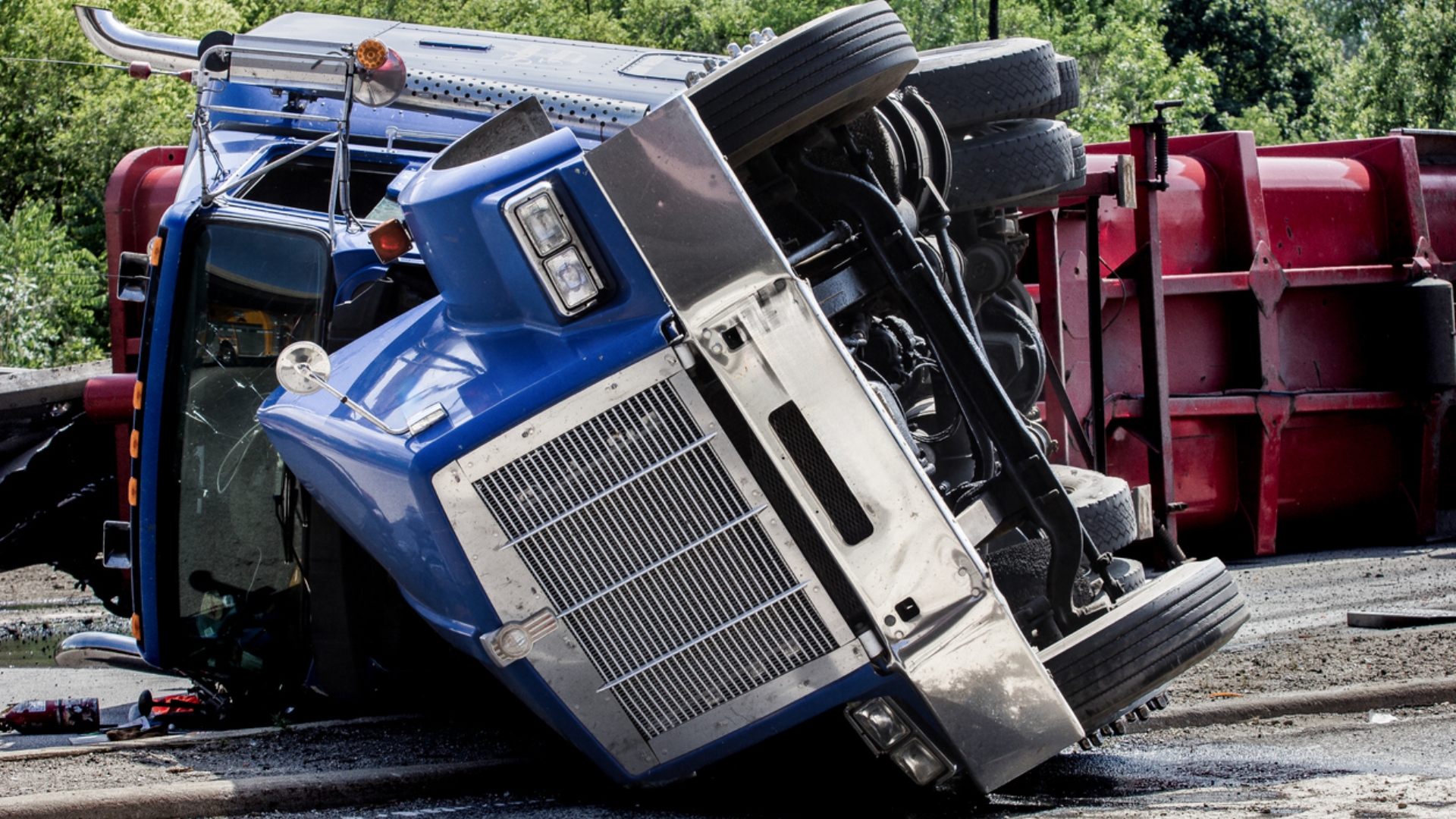
If a jackknifed semi truck, 18-wheeler, or tractor-trailer injured you in Georgia, you do not need to fight the trucking company alone. These claims can become complicated fast because several parties may try to deny fault, shift blame, or protect evidence that could help your case. Evans Litigation and Trial Law can investigate the crash, review the trucking records, and help you understand what compensation may be available.
Jackknife truck accident cases often involve serious injuries, damaged vehicles, missed work, and long recovery periods. You may be dealing with medical bills, insurance calls, pain, stress, and uncertainty about what happens next. Evans Litigation and Trial Law helps injured people take control after serious commercial truck crashes by focusing on the facts, the evidence, and the full impact of the wreck.
The sooner you get legal help, the better chance you have to protect important evidence. Trucking companies may have driver logs, black box data, maintenance records, dispatch records, inspection reports, and cargo documents that can help explain why the crash happened. A Georgia jackknife truck accident attorney can move quickly to preserve those records before the insurance company tries to narrow the story.
Evans Litigation and Trial Law offers free consultations for people injured in serious truck accidents across Georgia. If you are searching for Jackknife Truck Accident Attorneys in Georgia, call (678) 613-2797 today or contact Evans Litigation and Trial Law through our contact page to get help with your claim.
Practice Areas
Trust Us With Your Personal Injury Claim
If you or a loved one have been injured, Goldberg & Loren will fight for you every step of the way. We will give our all to secure the compensation you rightfully deserve.

Contact usfor a free consultation.
Phone: (304) 449-5157