
Columbus Truck Accident Lawyers
Truck accident claims in Columbus often begin with more than a damaged vehicle and an insurance call. A collision involving a semi truck, box truck, or delivery vehicle may raise questions about driver fatigue, vehicle maintenance, cargo loading, company policies, and the route the truck was assigned to follow. These issues can become especially important after crashes near I-185, Victory Drive, Manchester Expressway, U.S. 27, U.S. 280, Fort Moore traffic, or busy commercial delivery routes. Columbus truck accident lawyers at Evans Litigation and Trial Law can help investigate the crash early, identify the parties involved, and preserve the records needed to prove what happened before the trucking company and its insurer control the claim.
Evans Litigation and Trial Law represents injured people in Georgia truck accident cases that demand fast action, careful investigation, and strong legal pressure. Alfred Evans brings prior defense-side experience involving trucking companies, truck drivers, and insurance carriers, which helps our firm evaluate how the other side may attack fault, injuries, and damages. We look for driver logs, black box data, maintenance records, inspection reports, cargo evidence, hiring records, and company safety practices that may explain why the crash happened. If a truck wreck injured you or someone you love in Columbus, call (678) 613-2797 to speak with our team about your next step.
How Columbus Truck Accident Lawyers Build Strong Injury Claims
Truck accident claims in Columbus often become difficult within hours of the collision. A trucking company may already know where the crash occurred, which driver operated the vehicle, what cargo the truck carried, and whether the driver violated company rules before the injured person even leaves Piedmont Columbus Regional or St. Francis Emory Healthcare. A Columbus truck accident attorney, Evans Litigation and Trial Law, must move just as quickly to secure records and protect the injured person from preventable claim damage.
Truck cases require a different investigation path than ordinary passenger vehicle crashes. A standard police report rarely explains whether the truck exceeded federal driving limits, skipped inspections, carried overloaded freight, or operated with unsafe brakes. Evans Litigation and Trial Law approaches these cases by examining the trucking operation itself, not only the collision impact. Alfred Evans previously handled defense-side matters involving trucking companies and insurers, which gives the firm insight into how commercial carriers evaluate risk, limit exposure, and defend claims after severe wrecks across Georgia.
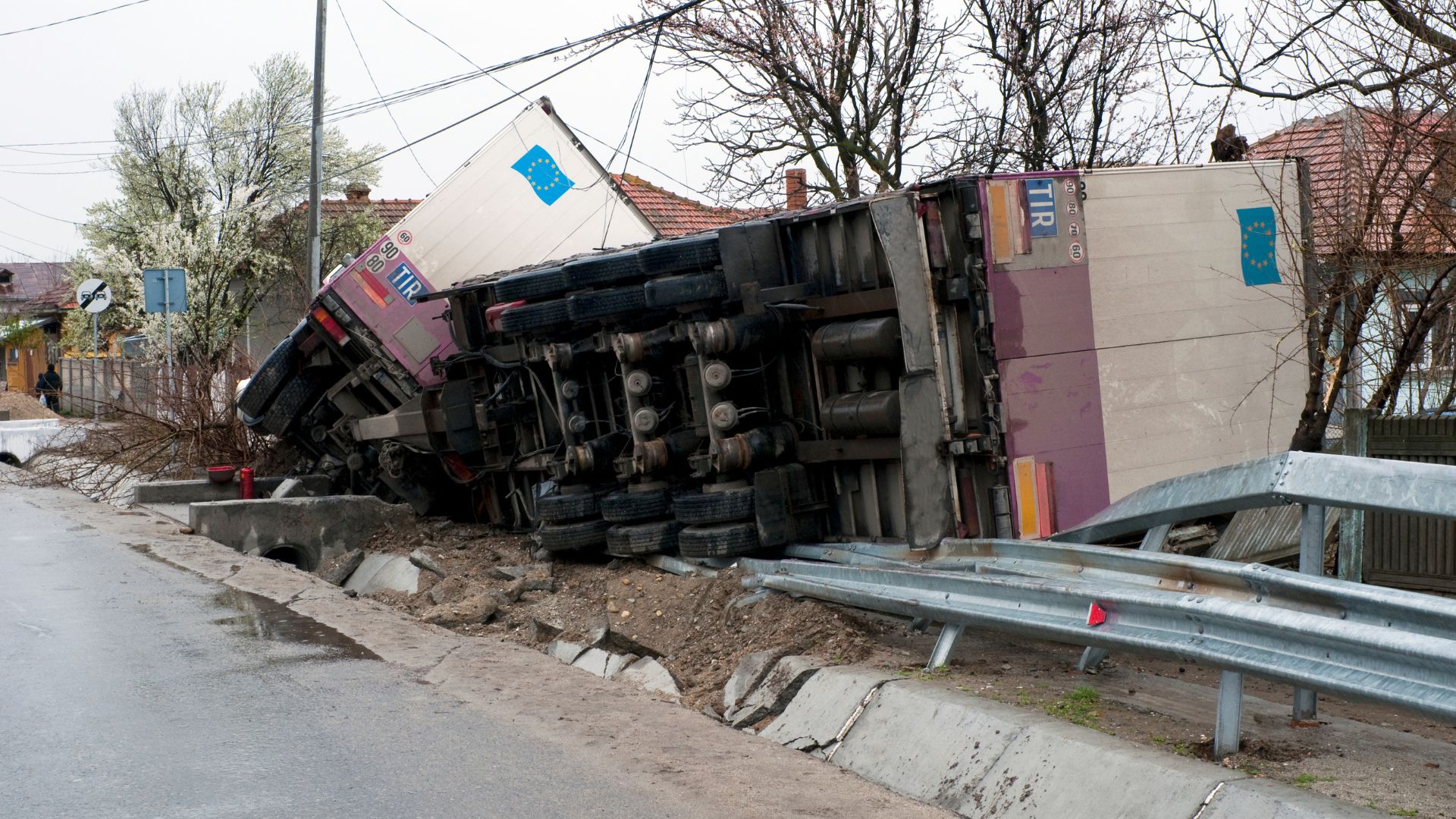
Why Trucking Companies Build Defenses Immediately After Columbus Collisions
Commercial trucking carriers rarely wait to investigate serious crashes because they know the first few hours after a collision can shape how the entire claim is viewed. A trucking company may contact its insurer, dispatch department, driver supervisor, or outside investigator before the injured driver has even arranged transportation home from the emergency room. At that point, the company is not only gathering facts, but also looking for evidence that supports its version of events before outside review begins.
That early response matters because the carrier may be reviewing driver statements, vehicle damage, dash camera footage, GPS data, inspection records, delivery schedules, and electronic logs while the injured person is still focused on pain, medical appointments, and transportation problems. In some cases, those records may show whether the driver was behind schedule, close to hours-of-service limits, operating a poorly maintained truck, or following a route that created unnecessary risk.
For injured people in Columbus, this creates a serious disadvantage because the trucking company usually controls many of the records needed to prove negligence. Evidence from the truck, the driver, and the company may not appear in the police report, and it may not be easy to obtain without legal pressure. Evans Litigation and Trial Law can help respond quickly by sending preservation letters, identifying key records, and building a claim before the defense controls the facts.
How Truck Dispatch Records Affect Truck Accident Claims
Dispatch records often reveal details that never appear in a police report. A trucking company may pressure a driver to meet delivery deadlines despite weather conditions, traffic congestion, or fatigue concerns. Text messages, route updates, and scheduling instructions can help explain why a truck traveled too fast through Columbus traffic near Macon Road or why the driver stayed on the road longer than federal rules permit.
Columbus truck accident lawyers may compare dispatch records with fuel receipts, toll activity, and electronic logging device entries. This comparison can reveal inconsistencies that support negligence claims.
Why Delivery Pressure Leads to Dangerous Driving Decisions
Commercial drivers often work under strict time expectations; a delayed route can affect warehouse schedules, loading appointments, and future assignments. That pressure may encourage unsafe lane changes, speeding, distracted driving, or reduced rest periods.
Truck collisions near commercial areas in Columbus frequently involve delivery schedules tied to regional freight movement between Atlanta, Montgomery, and the Florida corridor. When carriers prioritize timing over safety, the evidence may show patterns of unsafe operation long before the collision occurred.
How Driver Qualification Files Reveal Safety Concerns
Federal trucking regulations require carriers to maintain qualification files for commercial drivers. These records may contain driving histories, prior safety violations, drug testing information, medical certifications, and training materials. Columbus truck accident lawyers review these files to determine whether the company ignored warning signs before allowing the driver on Georgia roads.
A driver with repeated logbook violations, prior crashes, or failed inspections may present a greater risk to the public. When a carrier hires or retains unsafe drivers, that decision can become part of the injury claim. This issue becomes more important in catastrophic collisions involving severe injuries or fatal outcomes.
Why Incomplete Training Increases Crash Risks
Commercial trucks require different handling than ordinary passenger vehicles. Truck size differences, wide turns, braking distance, blind spots, trailer movement, and cargo weight create driving conditions that demand proper instruction. A poorly trained driver may react incorrectly during sudden traffic changes near crowded Columbus intersections.
Training records sometimes reveal shortcuts in the hiring process. A carrier may place a driver on the road without adequate preparation for urban traffic, construction zones, or heavy interstate congestion. These failures can support broader negligence arguments against the company itself.
How Black Box Data Changes Columbus Truck Accident Investigations
Many commercial trucks contain event data recorders that capture operational information before and during a crash. This data may include vehicle speed, braking activity, throttle position, steering input, engine performance, and sudden deceleration timing. In serious truck accident claims, black box evidence often becomes one of the most valuable sources of proof.
Columbus truck accident lawyers may seek preservation of this data before repairs, towing activity, or company access alters the system. Trucking carriers control the vehicle after most crashes, which means critical evidence may disappear without fast legal action.
What Electronic Control Modules Record Before Impact
Electronic control modules can show whether a truck driver attempted to brake before impact or whether the vehicle maintained highway speed seconds before collision. This information matters in rear-end crashes near stop-and-go traffic areas around Veterans Parkway or J.R. Allen Parkway.
Black box records may also show unsafe acceleration patterns or abrupt steering movements. These details help reconstruct the collision sequence more accurately than witness memory alone. When the insurer disputes liability, operational data can expose inaccurate defense claims.
How Sudden Braking Data Supports Injury Claims
Truck crashes create significant force due to vehicle weight and cargo load. Sudden braking records may help explain why the impact caused spinal trauma, traumatic brain injuries, or multiple fractures. Medical experts often review crash severity data when evaluating long-term physical limitations.
This evidence becomes important when insurers argue that property damage appears minor. A truck collision can generate substantial body trauma even when exterior vehicle damage looks limited in photographs. Operational data helps connect the force of impact to the injuries diagnosed afterward.
Why Truck Camera Footage Can Become Critical Evidence
Some commercial fleets install inward-facing and outward-facing cameras inside trucks. These systems may capture traffic conditions, driver behavior, lane movement, weather visibility, and collision timing. Columbus truck accident lawyers may seek this footage before the carrier deletes or overwrites the files.
Video evidence can reveal distraction, unsafe following distance, aggressive driving, or driver fatigue shortly before impact. It may also contradict statements made by the trucking company during the insurance investigation.
How Video Footage Exposes Unsafe Driver Conduct
Camera footage sometimes captures a driver looking away from traffic, handling a phone, eating, or reacting slowly before impact. In other cases, the footage reveals lane drift or delayed braking in congested Columbus traffic zones.
This evidence can become highly persuasive during negotiations. Insurance carriers often change their settlement approach when video directly contradicts the driver’s version of events. Clear footage may remove factual disputes that would otherwise delay compensation discussions.
Why Maintenance Failures Cause Serious Truck Crashes in Columbus
Large trucks require constant inspection and maintenance. Brake systems, tires, suspension components, trailer connections, lighting systems, and steering equipment face heavy strain during commercial operation. Mechanical failures can place every nearby driver at risk, especially on fast-moving Columbus routes with heavy truck activity.
Columbus truck accident lawyers review inspection reports, maintenance schedules, repair invoices, and roadside violation records to determine whether preventable safety issues existed before the collision. This process often uncovers problems hidden from the initial crash report.
How Brake Problems Lead to High-Speed Truck Collisions
Brake failures become especially dangerous on downhill stretches, interstate ramps, and congested traffic corridors. A fully loaded commercial truck needs far more stopping distance than a passenger vehicle. Worn brake systems can prevent the driver from slowing in time during sudden traffic changes.
Inspection records may reveal repeated brake violations or delayed repairs before the wreck occurred. These records can strengthen claims involving rear-end impacts, jackknife crashes, or multi-vehicle chain reactions near Columbus highway interchanges.
Why Overloaded Trucks Increase Brake Stress
Cargo weight directly affects braking performance. An overloaded trailer places additional pressure on braking systems and increases stopping distance. Improperly balanced cargo can also affect steering control during emergency maneuvers.
Truck accident investigations often include cargo documentation review. Weight tickets, shipping records, and loading instructions may reveal whether the truck exceeded safe operational limits before entering Columbus traffic.
How Tire Failures Create Dangerous Highway Conditions
Commercial truck tire failures can scatter debris across active traffic lanes within seconds. Blowouts may force trucks into adjacent lanes or cause drivers to lose steering control near crowded traffic areas. Passenger vehicles traveling beside the truck often have little time to avoid impact.
Maintenance records may show skipped tire replacement schedules, improper inflation, or excessive tread wear. Columbus truck accident lawyers examine these details carefully when tire failure contributed to the crash.
Why Tire Separation Increases Rollover Risks
Tire separation can destabilize both the tractor and trailer during highway travel. A sudden loss of control may lead to trailer swing, rollover crashes, or impact with nearby vehicles. These collisions often produce severe injuries due to the size and weight of commercial trucks.
Investigators may review roadway debris patterns, tire fragments, and inspection reports to determine whether maintenance failures contributed to the wreck. This evidence helps establish whether the collision resulted from preventable safety neglect rather than unavoidable circumstances.
How Medical Documentation Strengthens Truck Injury Claims
Truck crashes often produce injuries that continue affecting daily life long after discharge from the hospital. Neck trauma, nerve damage, herniated discs, traumatic brain injuries, internal bleeding, and orthopedic injuries may require months of treatment and physical restrictions. Columbus truck accident lawyers must connect those medical issues directly to the crash evidence.
Medical documentation does more than confirm treatment occurred. It helps explain pain progression, physical limitations, work restrictions, future care needs, and the long-term impact of the injuries on normal routines.
Why Consistent Treatment Records Matter After Truck Crashes
Insurance companies often review treatment gaps closely after truck collisions. Delayed appointments, missed therapy sessions, or inconsistent reporting may become arguments against the injured person. Carriers frequently claim that interrupted treatment means the injuries were not serious.
Consistent records help counter those arguments. Follow-up imaging, specialist evaluations, surgical recommendations, and therapy notes build a timeline that supports the claim from the date of impact through recovery progression.
How Diagnostic Imaging Supports Serious Injury Claims
MRI studies, CT scans, nerve testing, and orthopedic imaging can reveal injuries that are not visible immediately after a crash. Swelling and inflammation often worsen over time, particularly after high-force truck collisions.
Diagnostic imaging may confirm spinal injuries, brain trauma, ligament damage, or internal injuries linked directly to the crash. These findings often become central pieces of evidence during settlement negotiations and litigation preparation.
Why Trial Preparation Changes Truck Accident Negotiations
Trucking insurers evaluate whether the injured person can prove the case in court. A claim supported by detailed evidence, organized records, and documented damages carries more negotiation pressure than a rushed demand package. Evans Litigation and Trial Law prepares truck accident claims with litigation exposure in mind from the beginning.
This preparation often affects how the insurer approaches settlement discussions. When a carrier sees preserved evidence, operational records, medical support, and detailed liability analysis, it becomes harder to minimize the value of the claim. Columbus truck accident lawyers who build cases thoroughly from the start place the injured person in a stronger position during every stage of the process.
Why Truck Accident Cases Often Involve Multiple Liable Parties
Truck accident claims often involve more than one responsible party, so early investigation can shape the entire case. The FMCSA large truck crash data shows why commercial vehicle crashes require deeper review than many passenger car claims, and the Columbus Consolidated Government reflects the city’s role as a major Georgia community with heavy local travel and commerce. A driver may have caused the collision, yet the motor carrier, cargo loader, repair contractor, broker, or truck owner may share responsibility. Georgia law can reduce compensation when insurers shift blame, which makes strong evidence and careful case preparation critical from the start.
Passenger vehicle collisions often focus on one driver’s conduct. Truck accident cases work differently because commercial transportation depends on layered business relationships. The truck driver may operate under one company, the trailer may belong to another business, and the cargo may come from a separate shipping operation entirely. Evans Litigation and Trial Law reviews these relationships carefully because identifying additional liable parties can significantly affect available insurance coverage and the overall direction of the claim.

How Trucking Companies Share Liability After Columbus Crashes
Trucking companies carry legal duties that extend beyond putting drivers on the road. Carriers must supervise drivers, maintain equipment, review safety performance, monitor hours-of-service compliance, and follow federal transportation regulations. When a company ignores these responsibilities, the business itself may share liability for the collision.
Columbus truck accident lawyers examine the company’s conduct long before the crash occurred. Hiring decisions, route pressure, maintenance schedules, and safety policies may reveal that the carrier created dangerous conditions before the truck entered Columbus traffic.
Why Unsafe Hiring Practices Increase Truck Accident Risks
Commercial trucking companies must evaluate driving history, prior safety violations, medical qualifications, and training records before allowing drivers to operate heavy vehicles. A company that hires drivers with repeated violations or poor safety records may expose the public to preventable danger.
Some carriers prioritize staffing shortages and delivery schedules over safety review. Investigations may uncover prior crashes, failed inspections, or drug violations that the company overlooked during hiring. When those issues surface after a serious collision, they can strengthen claims against the carrier itself.
How Prior Safety Violations Affect Negligence Claims
A driver with repeated speeding citations, logbook violations, or prior commercial crashes may present warning signs that should have triggered closer review. If the company ignored those concerns, the injured person may argue that the carrier failed to act responsibly before the wreck occurred.
This issue matters in severe truck collisions involving catastrophic injuries or wrongful death claims. Safety history often becomes more important when investigators uncover patterns of repeated violations across several months or years.
How Company Scheduling Pressure Causes Dangerous Driving
Commercial carriers often monitor delivery windows closely. Drivers may face pressure to reach distribution centers, warehouses, or shipping terminals within strict deadlines despite weather conditions or heavy traffic. This pressure can affect driving behavior near crowded Columbus corridors.
Unsafe scheduling may encourage speeding, reduced rest breaks, distracted driving, or aggressive lane changes. Columbus truck accident lawyers may review dispatch records, communication logs, and route schedules to determine whether company pressure contributed to the crash.
Why Long Delivery Routes Increase Driver Fatigue
Truck drivers moving freight through Columbus may travel from Atlanta, Montgomery, Jacksonville, or the Gulf Coast without adequate rest. Long interstate routes combined with overnight schedules can reduce reaction time and decision-making ability.
Fatigue-related truck crashes often occur during early morning hours or heavy evening traffic periods. Investigators may compare electronic logging records with fuel receipts and GPS tracking data to determine whether the driver exceeded safe driving limits before impact.
Why Cargo Loading Companies Can Become Liable
Cargo problems create major safety risks in commercial trucking operations. Improper loading can shift trailer weight unexpectedly, reduce steering control, increase rollover risk, or create braking instability during sudden traffic changes. In some truck accident claims, the cargo company becomes a central part of the investigation.
Cargo loading mistakes often remain hidden until investigators review shipping records and trailer weight distribution. Columbus truck accident lawyers may examine whether the freight company ignored loading standards before releasing the truck onto Georgia highways.
How Unsecured Cargo Causes Serious Highway Collisions
Cargo that shifts during travel can destabilize a trailer within seconds. The driver may lose control during turns, emergency braking, or lane changes near crowded Columbus traffic areas. Heavy freight movement can force the trailer sideways or create rollover conditions on interstate ramps.
Improper cargo securement may also cause debris spills onto active roadways. Falling freight creates chain-reaction crashes involving multiple vehicles, especially during high-speed travel on I-185 and nearby commercial routes.
Why Weight Distribution Matters in Commercial Trucking
Cargo weight must remain balanced throughout the trailer. Uneven distribution places additional pressure on tires, suspension systems, and braking components. It can also increase trailer sway during turns and reduce the driver’s ability to regain control.
Investigators may review weight tickets, loading diagrams, and warehouse instructions to determine whether improper distribution contributed to the collision. These details often reveal preventable safety failures before the truck left the shipping facility.
How Overloaded Trucks Increase Crash Severity
Overloaded commercial trucks require greater stopping distance and place a heavier strain on mechanical systems. Brake failure risks increase when trucks exceed safe operating weight. Steering response may also weaken during emergency maneuvers.
Columbus truck accident lawyers may review shipping manifests, inspection reports, and cargo documentation to determine whether excess weight contributed to the crash.
Why Overweight Violations Matter in Injury Claims
Federal and state transportation rules limit how much weight a commercial truck may carry. Companies that exceed those limits may face liability when the extra weight contributes to braking failure, tire blowouts, or rollover crashes.
Weight violations often support broader negligence claims against the trucking company and cargo operation. They may show that the business prioritized shipping volume over roadway safety.
How Maintenance Contractors Contribute to Truck Accidents
Many trucking companies hire outside repair vendors to inspect and maintain commercial vehicles. These contractors may service brake systems, tires, suspension components, trailer connections, and lighting equipment. When maintenance companies perform poor repairs or miss serious mechanical issues, they may share liability after a crash. Columbus truck accident lawyers review these records carefully to determine whether preventable equipment failures contributed to the collision.
Why Brake Repair Failures Create Dangerous Conditions
Commercial truck brakes experience constant wear during interstate travel and heavy cargo movement. Poor brake maintenance can prevent the truck from slowing during sudden traffic changes near congested Columbus intersections and highway exits.
Repair records may reveal skipped inspections, delayed replacement schedules, or recurring brake complaints before the collision. This evidence may show that the maintenance provider ignored known safety risks.
How Missed Inspections Affect Truck Safety
Federal regulations require regular commercial truck inspections. Maintenance companies and carriers must identify unsafe equipment before placing trucks back into operation. Missed inspections can allow serious mechanical problems to continue unnoticed.
A failed inspection process may expose multiple businesses to liability after a severe crash. Investigators often compare maintenance schedules with inspection reports to determine whether the truck should have remained off the road.
Why Tire Maintenance Companies Face Liability
Commercial truck tires handle substantial weight and constant highway stress. Tire failures can trigger sudden loss of control, roadway debris hazards, and rollover crashes. Poor maintenance practices may increase these risks significantly.
Columbus truck accident lawyers may examine service history, replacement schedules, inflation records, and tire condition evidence following the wreck. These details can help identify whether maintenance failures contributed to the collision.
How Retread Tire Problems Lead to Highway Debris
Some commercial carriers use retread tires to reduce operational costs. Poor retread installation or worn tread separation can create dangerous highway conditions, especially during summer heat and high-speed travel.
Tire debris from commercial trucks frequently appears along major Georgia highways. When tread separation contributes to a crash, investigators may examine whether improper maintenance or defective tire preparation caused the failure.
Why Truck Manufacturers Sometimes Share Responsibility
Some truck accidents result from defective components rather than driver conduct alone. Steering systems, braking assemblies, trailer couplings, underride guards, and tire components may fail unexpectedly during normal operation. In these situations, manufacturers or parts suppliers may become involved in the claim.
Columbus truck accident lawyers may work with reconstruction experts and mechanical investigators to determine whether defective equipment contributed to the collision. This review becomes especially important when multiple crashes involve similar vehicle defects.
How Defective Truck Parts Cause Catastrophic Crashes
A defective steering component or brake assembly can create immediate danger during highway travel. Drivers may lose control without warning, particularly near heavy traffic zones surrounding Columbus commercial corridors.
Mechanical defects often require deeper technical analysis than ordinary negligence claims. Investigators may preserve damaged components for inspection before repairs or salvage activity destroys important evidence.
Why Trailer Coupling Failures Create Multi-Vehicle Collisions
Trailer coupling systems connect the tractor and trailer during commercial operation. A failed coupling may separate the trailer from the truck entirely, creating major roadway hazards at highway speeds.
Trailer separation crashes frequently involve multiple vehicles and severe injuries. Investigators may examine manufacturing records, maintenance history, and prior repair activity to determine why the coupling failed before impact.
How Multiple Insurance Policies Affect Truck Accident Claims
Truck accident cases often involve several insurance carriers at the same time. The driver, trucking company, trailer owner, cargo operation, maintenance contractor, and manufacturer may all carry separate commercial policies. These insurers rarely agree immediately on who should pay.
Columbus truck accident lawyers review policy relationships carefully before settlement discussions begin. One insurance company may attempt to shift blame to another carrier to reduce its own exposure. This process can delay compensation when the injured person lacks strong representation.
Why Commercial Insurance Policies Become Complicated
Commercial transportation policies contain layered coverage structures, exclusions, and contractual agreements that differ from ordinary auto insurance. One policy may apply to the truck itself, another to the trailer, and another to the cargo operation.
Insurance companies often dispute which business controlled the truck at the time of the collision. These disputes may affect settlement timing and overall compensation availability.
How Shared Liability Changes Settlement Negotiations
Cases involving several liable parties often create more aggressive negotiations. Each insurer may attempt to minimize its financial responsibility by shifting blame elsewhere. This strategy can complicate discussions when severe injuries produce substantial damages.
Detailed investigation helps counter these tactics. When evidence clearly identifies each company’s role in the collision, insurers face greater pressure to resolve the claim fairly rather than continuing blame disputes.
Why Truck Accident Victims in Columbus, Georgia, Face Larger Insurance Battles
Truck accidents in Columbus become claims that are more aggressive than ordinary injury cases within the first few days after the crash. Commercial trucking companies usually carry high-limit insurance coverage, and that financial exposure changes how insurers respond to serious collisions. A company facing a catastrophic injury claim near I-185 or Veterans Parkway may immediately begin reviewing driver records, crash photos, medical reports, and witness statements before the injured person speaks with an attorney. Columbus truck accident lawyers must anticipate these tactics early because insurance carriers rarely approach commercial truck claims the same way they handle ordinary passenger vehicle accidents.

Why Trucking Insurance Companies Respond Faster After Serious Wrecks
Commercial truck insurance carriers understand that large crashes create financial risk quickly. A collision involving a semi truck near J.R. Allen Parkway or Macon Road can lead to extensive medical treatment, long-term work restrictions, and multiple insurance claims at once. For that reason, trucking insurers often begin investigating before the injured person leaves the hospital.
Insurance companies move quickly to control information, preserve favorable evidence, and limit statements that may increase claim value later. Columbus truck accident lawyers recognize these early defense patterns before they shape the case unfairly.
How Insurance Adjusters Protect Trucking Companies Early
Truck insurance adjusters often contact injured people shortly after the crash. They may ask questions about speed, visibility, lane position, prior injuries, or medical treatment before the injured person understands the full extent of physical damage. These conversations may sound routine, yet the insurer often records statements for later review.
An early statement can create major problems if symptoms worsen over time. A person who initially reports soreness may later discover spinal injuries, nerve damage, or traumatic brain trauma after diagnostic imaging. Trucking insurers frequently compare those early conversations with later medical records during negotiations.
Why Recorded Statements Can Reduce Claim Value
Insurance companies sometimes focus on small inconsistencies between early statements and medical documentation. A simple comment about feeling “fine” at the scene may later become part of an argument that the injuries were minor. This tactic appears frequently in truck accident claims involving delayed pain symptoms.
Truck collisions generate substantial force, and many injuries develop gradually during the days after impact. Neck injuries, back trauma, and neurological symptoms often worsen after swelling increases. Columbus truck accident lawyers help protect injured people from making statements before doctors fully evaluate the damage.
Why Insurance Companies Request Medical Authorizations Quickly
Trucking insurers often ask injured people to sign broad medical authorizations shortly after the collision. These forms may allow the company to review years of unrelated medical history beyond the crash injuries themselves.
Insurance carriers frequently search for prior conditions they can use to reduce compensation exposure. A previous back strain, shoulder treatment, or old injury may become part of a defense argument even when the truck collision caused entirely new damage.
How Prior Medical History Becomes an Insurance Defense Strategy
Insurance adjusters often attempt to connect current symptoms to pre-existing conditions rather than the truck crash itself. This tactic appears frequently in spinal injury claims, traumatic brain injury cases, and orthopedic trauma involving surgery recommendations.
Medical records must clearly explain how the collision worsened or created the injuries now affecting the injured person. Detailed physician documentation, imaging studies, and treatment timelines often become critical in defeating these insurance arguments.
How Trucking Insurers Shift Blame After Columbus Collisions
Georgia follows a comparative fault system, which means compensation may decrease if the injured person shares responsibility for the crash. Trucking insurers understand this rule well, and they often build defense strategies around blame shifting as early as possible.
Columbus truck accident lawyers must examine every allegation carefully. Trucking companies may argue that the injured driver changed lanes suddenly, stopped without warning, followed too closely, or failed to react properly during traffic conditions near crowded Columbus intersections.
Why Trucking Companies Blame Passenger Vehicle Drivers
18-wheelers or commercial trucks create large blind spots and require greater stopping distances than ordinary vehicles. Even so, trucking insurers often argue that smaller passenger vehicles caused the crash by entering unsafe areas around the truck.
These arguments appear frequently in side-impact collisions, merging crashes, and rear-end wrecks involving interstate traffic. The trucking company may claim the injured person moved into the truck’s lane too quickly or failed to maintain a proper distance.
How Blind Spot Arguments Affect Truck Accident Claims
Large trucks contain major blind zones near the sides, rear, and front of the trailer. Trucking insurers often rely on these blind spot areas to argue that the injured driver placed themselves in a dangerous position before impact.
Crash reconstruction evidence can become important in these situations. Vehicle damage patterns, roadway markings, surveillance footage, and black box records may reveal whether the truck driver actually maintained proper awareness before the collision occurred.
How Comparative Fault Changes Settlement Negotiations
Comparative fault directly affects settlement value in Georgia truck accident claims. Even partial blame allegations may reduce the amount the insurance company offers during negotiations.
Trucking insurers understand that injured people may feel pressure to settle quickly after missing work or facing medical expenses. As a result, carriers often raise comparative fault arguments early to create financial leverage during discussions.
Why Early Investigation Helps Counter Fault Allegations
Fast evidence preservation often weakens insurance blame-shifting tactics. Witness statements, vehicle data, roadway photos, and crash scene analysis may contradict the trucking company’s version of events before those defenses gain traction.
Columbus truck accident lawyers use this evidence to challenge unsupported allegations during negotiations. Strong investigative work often changes how insurers evaluate risk and settlement exposure.
Why Truck Accident Injuries Trigger Larger Insurance Disputes
Commercial or delivery truck collisions often cause severe physical trauma due to vehicle size and impact force. Brain injuries, spinal damage, internal bleeding, fractures, and long-term orthopedic injuries can produce medical costs far beyond ordinary auto accident claims. Larger damages often lead to more aggressive insurance disputes.
Insurance carriers rarely accept high-value injury claims without close review. Adjusters may question treatment necessity, future care projections, work limitations, and long-term disability opinions throughout the case.
Why Insurers Challenge Future Medical Treatment
Truck accident injuries frequently require ongoing care months after the collision. Surgery recommendations, physical therapy, neurological treatment, injections, and rehabilitation programs can increase claim value significantly over time.
Insurance companies often argue that future treatment remains speculative or unrelated to the crash. They may challenge physician recommendations or claim the injured person should recover more quickly.
How Long-Term Injuries Affect Settlement Discussions
Severe truck injuries often affect employment, mobility, sleep, transportation, and daily activity long after initial treatment ends. These long-term effects increase financial exposure for the insurance company.
Columbus truck accident lawyers may use specialist evaluations, imaging results, work restrictions, and treatment projections to support future damage claims. Clear medical support becomes critical when insurers dispute ongoing limitations.
Why Insurance Companies Question Lost Income Claims
Truck accident injuries may prevent injured people from returning to work for weeks, months, or permanently. Lost income claims often include missed wages, reduced hours, future earning loss, and interrupted career opportunities.
Insurance carriers frequently request employment records, tax returns, and physician restrictions before accepting these damages. In some cases, they argue the injured person could return to work earlier than doctors recommend.
How Work Restrictions Strengthen Injury Claims
Physician-imposed work restrictions often become central evidence during settlement negotiations. Restrictions involving lifting, driving, standing, repetitive movement, or physical labor help explain why the injured person cannot return to previous employment duties.
This issue becomes especially important for construction workers, warehouse employees, delivery drivers, healthcare workers, and military personnel connected to Fort Moore operations near Columbus. Physical job requirements may make truck accident injuries financially devastating long after hospital discharge.
Why Trucking Insurers Use Delay Tactics During Claims
Insurance delay tactics can place enormous pressure on injured people recovering from serious truck collisions. Carriers understand that financial stress may increase when medical treatment continues and income decreases. Some insurers use this pressure strategically during settlement discussions.
Columbus truck accident lawyers must recognize when delays become intentional rather than routine. Slow document review, repeated requests for records, and prolonged liability disputes may signal an effort to force lower settlement expectations.
How Insurance Delays Affect Medical Recovery
Delayed claim progress can interfere with treatment planning and financial stability. Injured people may struggle with transportation costs, prescription expenses, specialist appointments, and therapy scheduling while the insurance company prolongs the review.
Stress from delayed compensation can affect recovery itself. Many truck accident victims face uncertainty about work, medical care, and long-term financial obligations while negotiations continue.
Why Organized Documentation Counters Delay Strategies
Well-organized medical records, employment documents, and crash evidence often reduce opportunities for unnecessary insurer delay. Clear timelines and complete documentation make it harder for the carrier to claim it lacks sufficient information.
Evans Litigation and Trial Law prepares truck accident claims with these defense tactics in mind. Detailed preparation often places pressure back on the insurer by limiting opportunities for unsupported disputes and unnecessary delays.
How Trial Preparation Changes Truck Insurance Negotiations
Trucking insurers evaluate whether the injured person appears prepared to pursue the claim through litigation if necessary. Columbus truck accident lawyers who prepare cases aggressively from the start may create stronger negotiation leverage throughout the process. Trucking companies and insurers generally recognize when a claim contains preserved evidence, serious medical documentation, and detailed operational review.
Why Litigation Pressure Affects Settlement Offers
Commercial insurers understand the financial risk connected to severe truck accident lawsuits. Large jury verdict exposure, damaging safety records, and preserved operational evidence may increase pressure during negotiations.
Settlement positions often change when the insurance company sees that the injured person intends to move forward rather than accept a rushed offer. Detailed preparation frequently shapes those negotiations long before the trial begins.
How Thorough Case Preparation Strengthens Compensation Claims
Truck accident claims supported by black box records, driver qualification files, medical imaging, witness testimony, maintenance reports, and financial documentation place greater pressure on insurers during settlement discussions.
Strong preparation also changes how the trucking company evaluates defense risk internally. When evidence reveals serious operational failures or unsafe conduct, the insurer may face greater difficulty minimizing the claim value.
Contact Evans Litigation and Trial Law After a Columbus Truck Accident
A truck crash in Columbus involving an 18-wheeler, commercial vehicles, and delivery trucks leaves treatment decisions, missed work, vehicle damage, and calls from insurance representatives at the same time. Evans Litigation and Trial Law handles truck accident claims involving semi trucks, tractor-trailers, delivery vehicles, and commercial carriers across Columbus and nearby Georgia communities. Alfred Evans’s defense-side trucking background helps the firm recognize the tactics carriers may use before they become harder to challenge.
Columbus truck accident lawyers at Evans Litigation and Trial Law can examine vehicle data, company records, cargo issues, medical proof, and disputed insurance defenses tied to the wreck. Whether the crash happened near I-185, Veterans Parkway, Manchester Expressway, or another busy Columbus roadway, early legal action can protect the facts that shape the claim. That preparation matters when the other side questions fault, injury severity, or future losses. Call (678) 613-2797 or contact us today to speak with Evans Litigation and Trial Law about your Columbus truck accident case.
Practice Areas
Trust Us With Your Personal Injury Claim
If you or a loved one have been injured, Goldberg & Loren will fight for you every step of the way. We will give our all to secure the compensation you rightfully deserve.


Contact usfor a free consultation.
Phone: (304) 449-5157