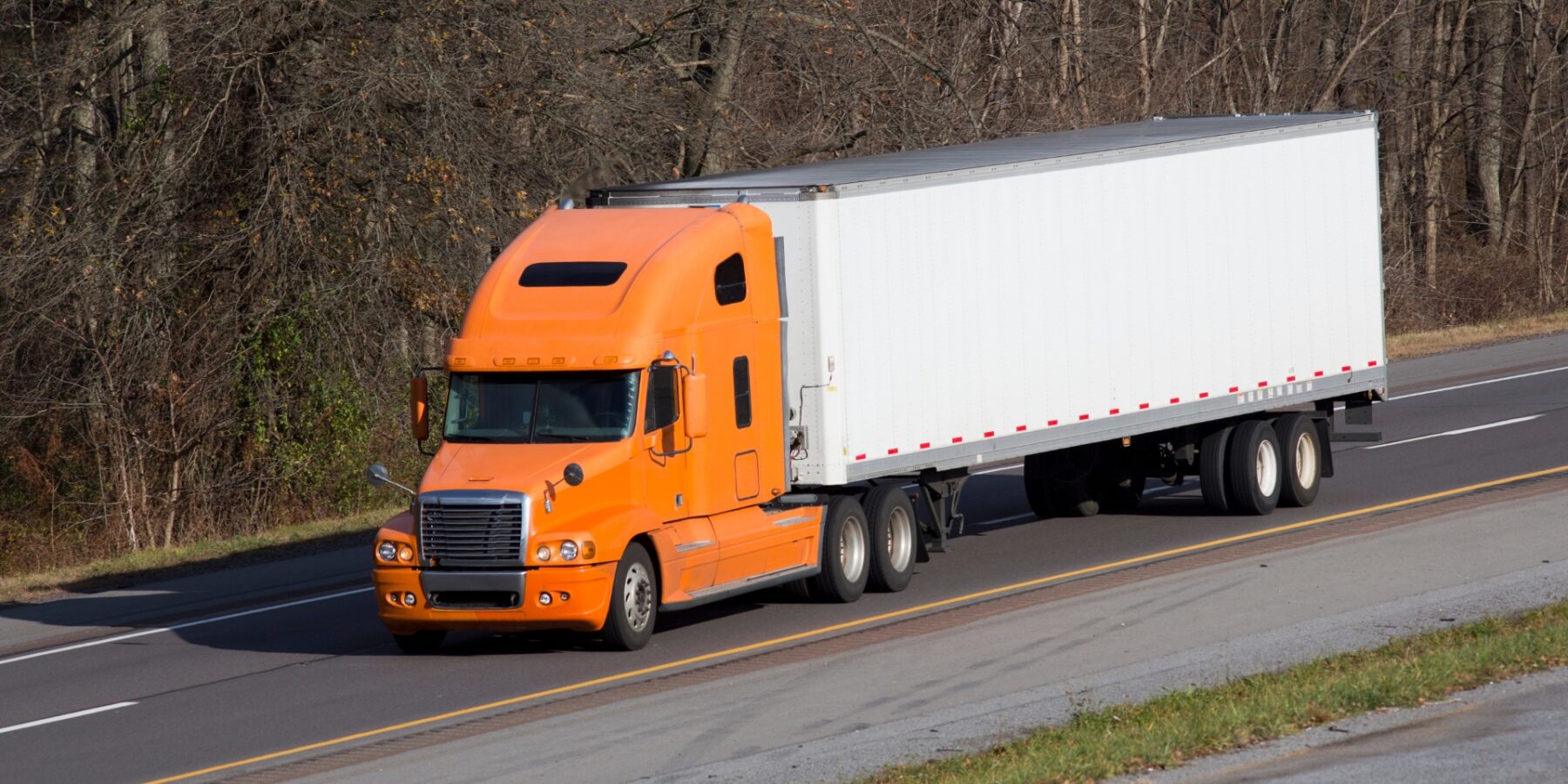
18-Wheeler Accident Lawyers in Georgia
A crash with an 18-wheeler can leave you hurt, shaken, and unsure who is already working against you. If you are searching for 18-Wheeler Accident Lawyers in Georgia, you likely need help with a serious collision involving a semi truck, tractor-trailer, big rig, or other commercial vehicle. Evans Litigation and Trial Law helps injured people across Georgia understand their rights after truck accidents and take action before the trucking company controls the story.
These cases are different from regular car accident claims. A trucking company may send investigators to the crash scene quickly. Its insurance carrier may start collecting statements, reviewing driver logs, and looking for ways to limit what it pays. You need a legal team that knows how to preserve evidence, identify every responsible party, and push back when an insurer tries to blame you for a crash you did not cause.
Evans Litigation and Trial Law represents people injured in commercial truck accidents throughout Georgia, including crashes in Atlanta, Augusta, Columbus, Macon, Savannah, Athens, South Fulton, Sandy Springs, Roswell, Warner Robins, and nearby communities. Whether the crash happened on I-75, I-85, I-20, I-16, or a local road near your home, your claim deserves careful attention from the start.
Call Evans Litigation and Trial Law at (678) 613-2797 now for a free consultation with a Georgia 18-wheeler accident lawyer who can help protect your claim.

Why You Need 18-Wheeler Accident Lawyers in Georgia After a Serious Truck Crash
A serious 18-wheeler crash can turn into a legal fight before you leave the hospital. The trucking company may already know who drove the truck, what route they took, whether the vehicle had prior maintenance issues, and which insurance carrier will defend the claim. You may only know that you are hurt, your car is damaged, and bills are starting to arrive.
Evans Litigation and Trial Law helps injured people in Georgia deal with the pressure that follows a commercial truck crash. These cases often involve more evidence, more insurance coverage, more responsible parties, and more aggressive defense tactics than a standard car accident claim. When you hire a Georgia 18-wheeler accident lawyer early, you give yourself a better chance to protect evidence before it disappears.
How a Georgia Truck Accident Attorney Protects Your Claim Early
A Georgia truck accident attorney can step in quickly and stop the insurance company from controlling the claim from day one. After a crash, adjusters may ask for recorded statements, medical authorizations, or quick settlement discussions. Those requests can feel routine, but they can hurt your case if you answer questions before you understand the full extent of your injuries.
Evans Litigation and Trial Law can help you avoid mistakes that insurance companies often use against injured people. The firm can handle communications, review early settlement offers, and help preserve evidence tied to the truck, driver, route, cargo, and crash scene. This matters because commercial truck accident claims often depend on records that may not stay available forever.
Early Legal Help Can Preserve Trucking Company Evidence
Trucking companies may have records that show what happened before the crash. These records can include driver logs, inspection reports, maintenance documents, dispatch records, delivery schedules, electronic logging device data, and black box information. If no one acts quickly, those records may become harder to obtain.
A lawyer can send a preservation request that tells the trucking company to keep evidence related to the crash. This step can help prevent the company from claiming that records were lost, deleted, overwritten, or destroyed under routine business practices. In a serious Georgia 18-wheeler accident claim, early evidence preservation can make the difference between guessing what happened and proving it.
Driver Records Can Show Problems Before the Crash
Driver records may reveal whether the truck driver had proper training, a valid commercial license, or a history of unsafe driving. They may also show whether the company ignored warning signs before putting that driver behind the wheel. These facts can matter when a crash involves fatigue, distraction, speeding, or poor decision-making.
Evans Litigation and Trial Law can review these records to look for patterns that support your claim. A single mistake behind the wheel may explain part of the crash, but the deeper records may show that the trucking company allowed a dangerous situation to develop. That kind of evidence can change how liability gets evaluated.
Vehicle Records Can Show Unsafe Maintenance
A fully loaded 18-wheeler needs safe brakes, tires, lights, mirrors, and steering systems. When a trucking company delays repairs or skips inspections, it puts everyone on Georgia roads at risk. Maintenance records can show whether the truck had known problems before the crash.
These records can also show whether the company followed inspection requirements or waited too long to fix dangerous equipment. If a brake failure, tire blowout, or mechanical defect contributed to the collision, the injured person needs proof. A lawyer can help request and review those records before the trucking company frames the crash as a simple driver error.
Why 18-Wheeler Accident Claims Move Faster Than Most Injury Cases
A trucking company does not need weeks to understand that a serious crash may create a major claim. Commercial insurers often respond quickly because the injuries can be severe and the potential exposure can be high. Their early goal is usually simple. They want to protect their driver, their company, and their money.
You should not wait while the other side builds its defense. A fast legal response helps level the field. Evans Litigation and Trial Law can start reviewing the crash, identifying responsible parties, and protecting your claim while you focus on medical care.
Insurance Companies May Contact You Before You Know Your Injuries
After an 18-wheeler crash, you may feel pressure to explain what happened right away. An adjuster may sound friendly and ask for your version of events. They may also ask broad questions about your pain, prior injuries, work history, or medical treatment.
Those answers can follow you throughout the claim. If you say you feel fine before symptoms fully develop, the insurer may argue that your injuries came from something else. If you guess about fault, speed, or timing, the insurer may use your uncertainty against you later.
Recorded Statements Can Create Problems
A recorded statement can lock you into details before you have the police report, witness information, medical diagnosis, or truck data. You may not know whether the truck driver was fatigued, distracted, speeding, or violating company rules. You may only know what you saw in a few terrifying seconds.
A Georgia 18-wheeler accident attorney can help you avoid giving a statement that hurts your claim. The attorney can speak with the insurer for you and make sure questions do not push you into speculation. You deserve time to understand your injuries and the evidence before the insurance company turns your words into a defense tool.
Quick Settlement Offers Can Undervalue Serious Injuries
A quick settlement may sound helpful when you have medical bills, missed paychecks, and a damaged vehicle. The problem is that early offers often come before doctors understand your full recovery needs. You may later learn that you need surgery, long-term therapy, pain management, or time away from work.
Once you accept a settlement, you usually cannot return for more money later. That can leave you paying for future treatment out of your own pocket. Evans Litigation and Trial Law can review an offer and help you understand whether it reflects the real impact of the crash.
What Makes Commercial Truck Accident Cases Different in Georgia
Commercial truck accident cases can involve several layers of fault. The truck driver may have caused the crash, but the trucking company, cargo loader, maintenance provider, broker, or another business may also share responsibility. A regular car accident claim often focuses on one driver. A truck accident claim may require a deeper investigation.
Georgia roads carry heavy commercial traffic through Atlanta, Macon, Savannah, Augusta, and other major freight areas. Crashes on interstates and local roads can involve out-of-state trucking companies, national insurers, and complex business records. That is why injured people should treat these cases differently from the start.
Trucking Companies Often Start Investigating Right Away
After a major truck crash, the trucking company may send investigators, insurance representatives, or defense teams to gather facts. They may inspect the truck, speak with the driver, review records, and photograph the scene. Their work focuses on protecting the company.
You need someone doing the same for your side. Evans Litigation and Trial Law can investigate the crash from the injured person’s point of view. That means looking at how the crash happened, how your injuries changed your life, and whether the trucking company followed the rules that keep Georgia drivers safe.
Crash Scene Evidence Can Fade Quickly
Skid marks fade. Damaged vehicles get moved. Debris gets cleared. Cameras overwrite footage. Witnesses become harder to find. These changes can make a strong case harder to prove if no one acts quickly.
A lawyer can help identify and preserve evidence before it disappears. This can include nearby video, witness names, roadway conditions, vehicle damage, and physical evidence from the crash scene. The sooner this work begins, the more complete the investigation can be.
Commercial Insurance Policies Can Create More Complicated Claims
A commercial truck may carry higher insurance coverage than a passenger vehicle. That does not mean the insurer will pay fairly. Higher policy limits often lead to a tougher defense because the insurance company has more money at stake.
Commercial insurers may dispute fault, challenge medical treatment, argue that your injuries are unrelated, or claim that you share responsibility. They may also point fingers at other companies involved in the trucking operation. A Georgia truck accident lawyer can help sort through the coverage issues and pursue the parties responsible for your injuries.
Multiple Insurance Carriers May Become Involved
One insurer may cover the truck. Another may cover the trailer. A different policy may apply to cargo, maintenance, or another business involved in the trip. These overlapping policies can make the claim harder to manage.
Evans Litigation and Trial Law can identify available coverage and prevent insurers from shifting blame without a full investigation. When several companies become involved, you need a clear legal strategy. Otherwise, each insurer may try to reduce its own responsibility while your bills keep growing.
Federal Trucking Rules Can Affect Liability
Commercial trucking companies and drivers must follow safety rules that do not apply to ordinary drivers. These rules can involve driving hours, rest breaks, inspections, cargo securement, driver qualifications, and vehicle maintenance. When a company violates those rules, that violation may help prove negligence.
A Georgia 18-wheeler accident lawyer can review whether federal trucking rules played a role in the crash. This matters in cases involving tired drivers, unsafe trucks, overloaded trailers, and drivers who should not have been on the road. Evans Litigation and Trial Law can use these details to build a stronger claim for compensation.
Rule Violations Can Reveal a Preventable Crash
Many truck crashes do not happen for one simple reason. A fatigued driver may have been under pressure to meet a delivery deadline. A truck with bad brakes may have stayed in service because the company delayed repairs. A poorly loaded trailer may have shifted during travel and made the truck harder to control.
These facts can show that the crash was preventable. They can also show that a company’s choices created danger long before the collision happened. That is why a full investigation matters when someone gets hurt in a Georgia 18-wheeler accident.
How a Georgia 18-Wheeler Accident Lawyer Proves Who Caused the Crash
An 18-wheeler crash can look simple from the outside. A truck hit a car. A trailer swung into another lane. A driver failed to stop in time. Then the real work begins, because trucking companies rarely hand over the full story without pressure.
Evans Litigation and Trial Law can investigate what happened before, during, and after a Georgia truck crash. These claims often turn on records that most injured people do not have access to on their own. The truck may carry electronic data. The driver may have logs. The company may have dispatch notes, inspection records, maintenance reports, and internal messages that explain why the crash happened.
What Evidence Can Help Prove Fault After a Georgia Tractor-Trailer Accident
A strong Georgia tractor-trailer accident claim needs more than one version of events. The insurance company will not accept your word alone when serious money is at stake. It may question your memory, your injuries, your medical care, or your role in the crash.
Evidence keeps the claim grounded. It can show where the vehicles were, how fast they traveled, when the truck driver reacted, and whether the trucking company followed safety rules. Evans Litigation and Trial Law can work to gather the records, photos, witness details, and data needed to push back against weak insurance defenses.
Police Reports and Crash Scene Evidence
A police report can provide a starting point for the investigation. It may identify the drivers, vehicles, insurance information, witnesses, road conditions, and any citations issued after the crash. It can also include the officer’s initial findings about how the collision happened.
The report does not always tell the whole story. Officers may not have access to truck data, driver records, company policies, or maintenance history at the scene. Evans Litigation and Trial Law can use the report as one piece of the claim while digging deeper into what the trucking company and its insurer may leave out.
Officer Notes Can Support the First Timeline
Officer notes can help build an early timeline of the crash. They may show when law enforcement arrived, where the vehicles rested, what each driver said, and whether the officer saw signs of speeding, distraction, fatigue, or unsafe driving. These details can help explain what happened before memories fade.
A timeline matters because trucking insurers often try to create confusion. If they can blur the sequence of events, they may argue that you shared fault or that something else caused your injuries. Evans Litigation and Trial Law can compare the police report with physical evidence, truck data, and witness statements to test each part of the defense.
Citations Can Point Toward Negligent Driving
A citation does not automatically win a personal injury claim, but it can matter. A truck driver cited for following too closely, making an unsafe lane change, failing to yield, or driving too fast for conditions may have violated a traffic rule that connects to the crash. That fact can help support a negligence argument.
The trucking company may still fight liability even when the driver received a citation. It may claim the ticket was wrong, incomplete, or unrelated to your injuries. Evans Litigation and Trial Law can review the citation alongside the larger evidence record so the case does not depend on one document alone.
Photos, Videos, and Witness Statements
Photos and videos can show details that people miss in the stress after a crash. They may capture vehicle positions, trailer angles, skid marks, broken glass, road hazards, weather, traffic signals, and damage patterns. In truck accident cases, visual evidence can help explain how a massive vehicle moved through the collision.
Witness statements can add another layer. A witness may have seen the truck drifting between lanes, following too closely, turning too wide, speeding, or failing to brake. Evans Litigation and Trial Law can identify witnesses early and preserve their statements before details become harder to remember.
Nearby Cameras May Capture the Collision
Many crashes happen near businesses, traffic cameras, dashcams, homes, warehouses, gas stations, or interstate ramps. A nearby camera may show the truck’s movement before impact. It may also show whether the truck driver braked, changed lanes, crossed a line, or ignored traffic conditions.
Camera footage can disappear fast. Some systems overwrite footage within days. Evans Litigation and Trial Law can move quickly to identify possible video sources and request preservation before the evidence gets erased.
Witnesses Can Explain What the Data Cannot
Electronic data can show speed, braking, and other mechanical facts. Witnesses can explain what the scene felt like in real time. They may describe a truck weaving, traffic slowing ahead, a driver looking down, or a trailer moving strangely before the crash.
Insurance companies may try to ignore witness accounts that hurt their defense. A lawyer can interview witnesses, compare their statements with physical evidence, and use their accounts to challenge the trucking company’s version. The stronger the witness record, the harder it becomes for an insurer to pretend the crash is unclear.
Truck Damage and Passenger Vehicle Damage
Vehicle damage can tell a blunt story. The location, angle, and severity of damage may show how the impact happened. A crushed rear end, scraped side panel, underride damage, or severe intrusion into the passenger compartment can all help reconstruct the crash.
Damage patterns can also show whether the truck driver tried to stop or whether the impact came from a blind spot, unsafe turn, or sudden lane change. Evans Litigation and Trial Law can use photos, repair records, and expert review when needed to understand how the force of the crash injured you.
Impact Points Can Help Reconstruct the Crash
The impact point can show whether the truck hit the side, rear, or front of another vehicle. It can also reveal whether the truck was turning, merging, reversing, or traveling straight. These details matter because each crash pattern raises different liability questions.
A sideswipe may point to a blind spot or unsafe lane change. A rear-end crash may point to following too closely, distraction, fatigue, or brake problems. A wide turn crash may point to poor training or careless maneuvering near traffic.
Severe Vehicle Damage Can Support Serious Injury Claims
Commercial trucks can cause heavy damage because of their size and weight. When a passenger vehicle absorbs that force, the damage can support the medical evidence in the case. Crumpled metal, broken glass, deployed airbags, and structural damage can help explain why the occupants suffered serious injuries.
The insurance company may still argue that your injuries are exaggerated or unrelated. Evans Litigation and Trial Law can connect the damage evidence with medical records, doctor opinions, and your daily limitations. That connection helps show the real human cost of the crash.
How Black Box Data Can Help a Georgia Truck Accident Attorney
Many commercial trucks carry electronic systems that record information about the vehicle’s operation. People often call this black box data, although the exact system can vary by truck. This data can become one of the strongest pieces of evidence in a Georgia 18-wheeler accident claim.
Evans Litigation and Trial Law can seek preservation of this data before it gets overwritten or lost. Black box information may show speed, braking, throttle use, engine activity, and other details from the moments before impact. When the trucking company’s story does not match the data, the data can expose the gap.
Speed and Braking Data
Speed and braking data can show whether the truck driver reacted in time. If traffic slowed ahead and the truck did not brake until the last second, the data may support a distraction or fatigue claim. If the truck was traveling too fast for the weather, traffic, or road conditions, that fact can help prove unsafe driving.
This data can also push back against blame shifting. A trucking company may claim you stopped suddenly or moved unpredictably. The truck’s own records may show that the driver had enough time to react but failed to do so.
Late Braking Can Reveal Inattention
Late braking can mean the driver did not see danger until it was too late. That may happen when a driver looks at a phone, watches a GPS, checks a dispatch message, eats, reaches for something, or loses focus from fatigue. In a heavy truck, even a short delay can cause devastating harm.
A lawyer can compare braking data with roadway conditions and witness accounts. If the evidence shows traffic was visible and slowing, late braking becomes harder to excuse. Evans Litigation and Trial Law can use that information to challenge claims that the crash was unavoidable.
High Speed Can Increase Injury Severity
Speed changes everything in an 18-wheeler crash. A faster truck needs more room to stop. It also creates greater force at impact. When a truck driver speeds through heavy Georgia traffic, construction zones, rain, curves, or downhill grades, the risk rises sharply.
High speed can also affect damages. The harder the impact, the more likely victims may suffer brain injuries, spinal injuries, fractures, internal injuries, and long-term pain. Evans Litigation and Trial Law can connect speed evidence with medical records to show how the crash caused serious harm.
Driver Inputs Before Impact
Electronic truck data may show steering, throttle, braking, and cruise control activity before the crash. These details can reveal whether the driver tried to avoid the collision or failed to respond. They can also show whether the truck made a sudden movement that created danger for nearby drivers.
Driver input evidence can matter when the trucking company claims your vehicle caused the crash. The data may show that the truck drifted, accelerated, failed to brake, or made an unsafe maneuver. Evans Litigation and Trial Law can use this information to test both sides of the story.
Steering Data Can Show Unsafe Lane Movement
Steering data may support claims involving lane drift, sideswipes, unsafe merging, or loss of control. A large truck can move into another lane quickly when the driver overcorrects or fails to check blind spots. Nearby drivers often have little room to escape.
A trucking company may argue that you entered the truck’s lane. Steering data can help show whether the truck moved first. When combined with vehicle damage, witness statements, and roadway evidence, this data can help reveal who created the danger.
Throttle Data Can Show a Failure To Slow Down
Throttle data may show whether the driver kept accelerating or failed to reduce speed before impact. That can matter in rear-end crashes, intersection collisions, and crashes near stopped traffic. A driver who fails to slow down may have been distracted, tired, careless, or under pressure to keep moving.
This information can also expose unsafe company practices. If delivery schedules encouraged drivers to keep speed high despite traffic or weather, the claim may extend beyond the driver. Evans Litigation and Trial Law can look for the deeper cause, not just the final moment of impact.
Vehicle Movement Before the Collision
Black box data can help reconstruct the truck’s movement in the seconds before impact. It may show whether the truck slowed, swerved, accelerated, or maintained speed. These facts can help answer one of the central questions in the case. Did the truck driver act safely when danger appeared?
Movement data can also support expert analysis. Accident reconstruction professionals may use electronic data, vehicle damage, road evidence, and witness accounts to explain the crash. Evans Litigation and Trial Law can use this evidence to build a claim that rests on facts, not insurance company spin.
Movement Patterns Can Reveal Loss of Control
A truck may lose control because of speed, poor braking, tire failure, cargo shift, bad weather, or driver error. The movement pattern before impact can help identify which factor played a role. A sudden swerve may tell a different story than a slow lane drift or a failure to stop.
Loss of control cases often require deeper investigation. The cause may be connected to maintenance problems, overloaded cargo, unsafe driving, or poor training. Evans Litigation and Trial Law can review each possibility so the claim targets the people and companies that contributed to the crash.
Why Driver Logs Matter in a Georgia Semi Truck Accident Claim
Driver logs can show how long the truck driver had been working before the crash. They may also reveal rest breaks, driving windows, off-duty periods, and possible rule violations. In fatigue cases, logs can become a paper trail that points straight toward negligence.
Semi truck crashes often happen after long hours, tight schedules, and pressure to deliver loads on time. A tired driver may react too slowly, drift out of a lane, miss stopped traffic, or make poor decisions in heavy traffic. Evans Litigation and Trial Law can review driver logs to determine whether fatigue contributed to the collision.
Hours of Service Violations
Federal hours of service rules limit how long property-carrying truck drivers can drive and work before taking required rest. These rules exist because fatigue makes commercial driving more dangerous. A driver who exceeds legal limits may put everyone nearby at risk.
If logs show an hours of service violation, the crash investigation can widen. The issue may involve the driver, the dispatcher, the trucking company, or a company culture that rewards unsafe schedules. Evans Litigation and Trial Law can use these records to determine whether the crash started long before the truck reached your lane.
Long Driving Hours Can Slow Reaction Time
A fatigued truck driver may look awake but still react too slowly. Fatigue can reduce focus, delay braking, and impair judgment. On Georgia interstates, a delayed reaction can turn ordinary traffic into a violent crash.
Driver logs can help show whether the driver had been on the road too long. Medical records and crash evidence can then show what that fatigue caused. Evans Litigation and Trial Law can connect these pieces so the claim explains both the unsafe conduct and the harm that followed.
Delivery Pressure Can Lead to Unsafe Choices
Some trucking schedules push drivers hard. A driver may skip breaks, speed, or keep driving while tired to meet a delivery window. When companies create pressure that encourages unsafe driving, they should not be allowed to blame the crash only on the driver.
Dispatch records, load assignments, delivery deadlines, and communications can help show whether the company pushed the driver too far. Evans Litigation and Trial Law can review these records when the facts suggest the driver had no realistic room to rest or slow down.
Missed Rest Breaks
Rest breaks matter because commercial driving demands constant attention. A truck driver must manage speed, blind spots, braking distance, cargo movement, weather, road conditions, and surrounding traffic. Without real rest, the driver may become a danger to everyone nearby.
Missed rest breaks can show up in logs, fuel receipts, GPS records, toll data, and delivery records. A driver’s paperwork may say one thing, while other records tell another story. Evans Litigation and Trial Law can compare these sources to look for gaps and contradictions.
Rest Break Records Can Reveal False Timelines
A driver log may claim the driver rested at a certain time or location. Other records may show the truck was moving, fueling, crossing toll points, or completing deliveries. Those contradictions can suggest the log is inaccurate.
False timelines matter because they can show more than a simple paperwork problem. They may reveal that the driver or company tried to hide unsafe hours. When records conflict, a lawyer can press for answers and use those conflicts to challenge the trucking company’s credibility.
False or Incomplete Driving Records
False or incomplete driving records can damage the trucking company’s defense. If a company cannot produce accurate logs, that raises serious questions. It may mean the company kept poor records, failed to supervise drivers, or ignored safety rules.
Evans Litigation and Trial Law can look for missing records, altered entries, unexplained gaps, and conflicts between logs and outside data. When the records do not line up, the firm can use that problem to push for a fuller explanation of what happened.
Missing Data Can Point to Bigger Problems
A missing log entry may seem small until it connects to a crash. If the missing period covers the hours before impact, it can become a major issue. It may hide fatigue, speeding, unauthorized route changes, or missed inspections.
A trucking company should not benefit from incomplete records when those records matter to an injured person’s claim. Evans Litigation and Trial Law can challenge missing data and seek other proof to fill the gaps. That can include GPS records, phone records, fuel receipts, weigh station data, and dispatch communications.
How Maintenance Records Can Expose Trucking Company Negligence
An 18-wheeler is a working machine, not a casual vehicle. It needs regular inspections, repairs, and careful maintenance to operate safely. When a trucking company cuts corners, worn equipment can turn a routine drive into a crash.
Maintenance records can show whether the company knew about a problem before the collision. They can also show whether inspections were rushed, repairs were delayed, or warning signs were ignored. Evans Litigation and Trial Law can review these records to determine whether unsafe equipment contributed to the crash.
Brake Inspection Problems
Brakes matter more on an 18-wheeler because the vehicle needs far more distance to stop than a passenger car. When brakes wear down or fail, the driver may not be able to avoid traffic ahead. Brake issues can become especially dangerous in rain, downhill traffic, construction zones, or stop-and-go congestion.
Inspection records may show prior brake complaints, failed inspections, skipped repairs, or recurring problems. If the company knew about unsafe brakes and kept the truck in service, that could support a negligence claim. Evans Litigation and Trial Law can look for these warning signs in the maintenance file.
Brake Failures Can Turn Minor Traffic Into a Catastrophic Crash
Many truck crashes begin with ordinary traffic. Cars slow down. A light changes. A lane closes. If the truck’s brakes do not work properly, the driver may have no safe way to stop.
A brake failure can cause rear-end crashes, jackknife collisions, underride crashes, and multi-vehicle wrecks. The trucking company may try to blame traffic or weather. Maintenance records can show whether the real problem started with a truck that should not have been on the road.
Tire Failures and Blowouts
A tire blowout on an 18-wheeler can create chaos in seconds. The truck may swerve, the driver may lose control, or debris may strike nearby vehicles. Tire failure can also cause cargo instability and chain reaction crashes.
Tire records may reveal worn tread, improper inflation, poor inspection practices, or delayed replacement. Evans Litigation and Trial Law can investigate whether the tire problem came from road debris, defective equipment, poor maintenance, or a company decision to keep using unsafe tires.
Worn Tires Can Show a Pattern of Neglect
Worn tires do not become dangerous overnight. They often show signs of trouble before they fail. Low tread, uneven wear, sidewall damage, and repeated pressure problems can all warn that a tire needs attention.
If records show the company ignored those signs, the crash may point to a broader maintenance failure. That matters because the company may have had the chance to prevent the wreck. Evans Litigation and Trial Law can use those records to show why the crash should have never happened.
Unsafe Repairs and Delayed Service
Some trucking companies delay service to keep trucks moving. That choice can place profit over safety. A truck with known mechanical problems should not travel through Georgia traffic until it receives proper repairs.
Repair records can show whether the company made temporary fixes, postponed service, or returned a truck to the road without solving the problem. Evans Litigation and Trial Law can investigate whether delayed service played a role in the collision and whether other companies, including repair shops, may share fault.
Poor Repair Work Can Create Separate Liability
A maintenance company or repair shop may share responsibility if bad repair work helped cause the crash. A missed brake issue, improper tire installation, faulty wheel repair, or incomplete inspection can all create danger. These claims require careful review because the trucking company may try to shift blame to the repair provider.
The injured person should not have to sort that out alone. Evans Litigation and Trial Law can investigate every company connected to the truck’s condition. If more than one party contributed to the crash, the claim should account for each one.

Call Evans Litigation and Trial Law for 18-Wheeler Accident Lawyers in Georgia
If an 18-wheeler crash injured you or someone you love, you do not have to deal with the trucking company alone. These cases can move fast, and the insurance company may already be looking for ways to reduce what it owes. Evans Litigation and Trial Law can step in, protect your claim, and help you understand what needs to happen next.
Our 18-Wheeler Accident Lawyers in Georgia help injured people pursue claims involving semi trucks, tractor-trailers, big rigs, commercial carriers, and other large trucks. We can investigate the crash, preserve important trucking records, review driver logs, examine maintenance history, and deal with the insurance companies while you focus on your recovery.
A serious truck crash can affect your health, your work, your income, and your daily life. You may need help paying for medical care, replacing lost wages, repairing or replacing your vehicle, and planning for future treatment. Evans Litigation and Trial Law can review the full impact of the crash and fight for compensation that reflects what you have actually lost.
Do not wait while evidence disappears or the trucking company builds its defense. Call Evans Litigation and Trial Law at (678) 613-2797 for a free consultation, or contact Evans Litigation and Trial Law through our contact page to speak with a Georgia 18-wheeler accident lawyer today.
Practice Areas
Trust Us With Your Personal Injury Claim
If you or a loved one have been injured, Goldberg & Loren will fight for you every step of the way. We will give our all to secure the compensation you rightfully deserve.



Contact usfor a free consultation.
Phone: (304) 449-5157