
Delivery Truck Accident Attorneys in Georgia
A delivery truck crash can leave you hurt, without reliable transportation, and unsure who is responsible for paying your losses. If you are searching for Delivery Truck Accident Attorneys in Georgia, you likely need help dealing with a delivery driver, a delivery company, an insurance adjuster, or a commercial vehicle claim that already feels more complicated than a regular crash.
Evans Litigation and Trial Law helps people injured in commercial delivery truck accidents across Georgia. These claims can involve delivery vans, box trucks, parcel trucks, courier vehicles, and other company-operated vehicles moving through busy roads in Atlanta, Macon, Savannah, Augusta, Columbus, Athens, South Fulton, Sandy Springs, Roswell, Warner Robins, and communities across the state.
You should not have to guess what your claim is worth while the delivery company protects itself. Call Evans Litigation and Trial Law at (678) 613-2797 now to speak with a Georgia delivery truck accident attorney about your case and your next steps.
Why You Need Delivery Truck Accident Attorneys in Georgia After a Serious Commercial Vehicle Crash
A delivery truck crash can create problems that reach far beyond the first impact. You may have emergency medical bills, missed work, pain that gets worse over time, and a damaged vehicle you need for daily life. Evans Litigation and Trial Law helps injured people understand what steps matter after a commercial delivery vehicle collision and what evidence may support a claim for compensation.
These cases often involve more than one possible source of liability. The delivery driver may have caused the crash, but the company may also share responsibility if it failed to train the driver, ignored maintenance issues, pressured drivers with unsafe schedules, or allowed a dangerous vehicle onto Georgia roads. A Georgia delivery truck accident attorney can look beyond the crash report and investigate the decisions that put the truck on the road in the first place.
How Delivery Truck Crashes in Georgia Can Cause More Damage Than Regular Car Accidents
Delivery trucks can weigh far more than passenger cars, especially when they carry packages, equipment, groceries, furniture, or commercial cargo. Even a smaller delivery van can cause serious injuries when it strikes a car, motorcycle, bicycle, or pedestrian. The size difference can increase the force of impact and leave injured people dealing with medical problems that last for months or longer.
Georgia delivery truck crashes also happen in places where people may not expect a commercial vehicle to create a serious danger. A driver may back out of a crowded apartment complex, rush through a neighborhood, stop suddenly near a business entrance, or make a wide turn near a busy intersection. Evans Litigation and Trial Law reviews how the crash happened, where it happened, and whether the delivery driver acted safely under the circumstances.
Why Delivery Vehicles Create Serious Injury Risks on Georgia Roads
Delivery vehicles often operate in traffic patterns that differ from those of normal passenger vehicles. They may stop often, pull into driveways, double park near businesses, reverse in tight spaces, or move through neighborhoods while drivers look for addresses. Those routine delivery tasks can become dangerous when a driver rushes or loses focus.
A delivery truck driver also has larger blind spots than many drivers realize. If the driver changes lanes without checking carefully, turns without seeing a pedestrian, or backs up without a spotter, someone nearby can get hurt fast. These risks matter because they can show why the crash was not a random accident.
Rear End Delivery Truck Collisions in Georgia
A rear-end delivery truck crash can happen when a driver follows too closely, speeds through traffic, or fails to stop in time. Delivery drivers often work under pressure, and that pressure can lead to aggressive driving in stop-and-go traffic. When a loaded truck hits the back of a smaller vehicle, the occupants may suffer neck injuries, back injuries, head trauma, and shoulder damage.
These crashes can also raise questions about whether the truck had brake problems or whether the driver reacted too late. Evans Litigation and Trial Law may review the crash scene, vehicle damage, medical records, and available witness statements to understand the force of impact. A careful investigation helps separate insurance excuses from facts.
Side Impact Delivery Vehicle Crashes in Busy Intersections
Side impact crashes often happen when a delivery driver runs a red light, fails to yield, makes an unsafe turn, or tries to beat traffic. These collisions can cause severe injuries because the side of a passenger vehicle offers less protection than the front or rear. A person sitting near the point of impact may suffer broken bones, internal injuries, brain injuries, or spinal trauma.
Intersection crashes in Georgia can turn into fault disputes quickly. The delivery driver may claim they had the light, the other driver may remember the timing differently, and the insurance company may look for any reason to reduce payment. Camera footage, witness statements, traffic signal timing, and police report details can make a major difference.
Pedestrian and Bicycle Delivery Truck Accidents
Delivery routes often bring commercial vehicles close to pedestrians and cyclists. Drivers may pull near sidewalks, crosswalks, apartment entrances, school zones, parking lots, and downtown business areas. When a delivery driver fails to watch for people outside the vehicle, the injuries can be life-changing.
Pedestrians and cyclists have little protection when a delivery van or box truck hits them. Even a low-speed crash can cause fractures, head injuries, knee injuries, road rash, and long recovery periods. Evans Litigation and Trial Law can review whether the driver checked mirrors, watched blind spots, followed traffic laws, and used reasonable care near people outside the vehicle.
Why Delivery Companies and Insurers Move Quickly After a Georgia Crash
Delivery companies and insurers often start protecting their position right away. They may send adjusters, gather driver statements, inspect the vehicle, review company records, and contact injured people before those people understand the full value of the claim. You should expect the company to act in its own interest, not yours.
Evans Litigation and Trial Law helps injured people respond with a clear plan. The goal is to protect evidence, avoid damaging statements, document injuries, and identify every party that may share responsibility. A delivery truck accident claim can lose strength when the injured person waits too long or relies on the insurance company to explain the process fairly.
Early Statements Can Hurt Your Delivery Truck Accident Claim
Insurance adjusters may sound polite after a crash, but their questions can create problems. They may ask how you feel, whether you saw the truck, how fast you were driving, or whether you think you could have avoided the collision. A simple answer can later appear in the claim as an admission or inconsistency.
You do not need to guess about fault or explain medical issues before a doctor understands your injuries. Pain can increase after the adrenaline fades, and some injuries take time to diagnose. Speaking with a Georgia delivery truck accident lawyer before giving detailed statements can help you avoid mistakes that weaken your claim.
Recorded Statements Can Create Unfair Fault Arguments
A recorded statement can lock you into words you said while stressed, medicated, confused, or still learning what happened. The insurance company may later compare that recording to your medical records, crash report, or later testimony. Small differences can become arguments against your credibility.
This does not mean you should lie or hide facts. It means you should understand your rights before an insurer asks questions designed to protect its own money. Evans Litigation and Trial Law can help you prepare for insurance communication and keep the claim focused on evidence.
Casual Comments Can Be Taken Out of Context
Many injured people tell an adjuster they are fine because they want to sound polite. Others apologize at the scene even when they did nothing wrong. Insurance companies may use those comments to argue that your injuries are minor or that you accepted blame.
That type of argument ignores how people actually react after a crash. Shock, fear, embarrassment, and confusion can affect what someone says in the moment. A delivery truck accident attorney can push back when an insurer tries to turn ordinary human reactions into a defense strategy.
Delayed Medical Care Can Give the Insurance Company an Argument
Medical care matters for your health and your claim. If you wait too long to see a doctor, the insurance company may argue that your injuries were not serious or did not come from the delivery truck crash. That argument can create problems even when you had real pain from the beginning.
Evans Litigation and Trial Law encourages injured people to take symptoms seriously after a Georgia commercial vehicle crash. Neck pain, headaches, dizziness, back pain, numbness, shoulder pain, and knee pain may point to injuries that need evaluation. Medical records can also connect your symptoms to the crash and show how your injuries affect your daily life.
Gaps in Treatment Can Reduce the Value of a Claim
A treatment gap happens when an injured person delays care, misses appointments, or stops treatment before reaching medical stability. Insurance companies often use those gaps to argue that the person recovered or made the injury worse by failing to follow medical advice. That argument can reduce settlement pressure if it goes unanswered.
Real life can make treatment hard. You may lack transportation, miss work, care for children, or worry about medical bills. A lawyer can help explain those barriers and gather records that show the true reason for any delay.
Follow-up Care Helps Document Long-Term Injury Problems
Emergency care only tells part of the story. Many delivery truck accident injuries require follow-up visits, imaging, physical therapy, specialist care, or ongoing pain management. Those records can show whether the injury healed quickly or continued affecting your life.
Follow-up care can also help doctors identify injuries that were not obvious on the day of the crash. Soft tissue injuries, concussions, nerve problems, and spine injuries may develop or worsen over time. Evans Litigation and Trial Law can use medical documentation to help show the full impact of the crash instead of letting the insurer focus only on the first visit.
What Questions Do People Ask Delivery Truck Accident Attorneys in Georgia
People usually have sharp questions after a delivery truck crash because the situation gets confusing fast. The driver may blame traffic. The company may blame the driver. The insurance company may call before you even know how badly you are hurt. Evans Litigation and Trial Law helps injured people cut through that noise and understand what may actually matter for a Georgia delivery truck accident claim.
These questions are not small details. They shape how the claim gets investigated, how fault gets disputed, and how compensation gets valued. If you were hit by a delivery van, box truck, parcel truck, courier vehicle, or another commercial delivery vehicle, the answers can affect what you do next.
Can I Sue a Delivery Company After a Georgia Truck Accident?
You may be able to bring a claim against a delivery company if the driver caused the crash while working or if the company’s conduct helped create the danger. That does not mean every case works the same way. Delivery truck claims depend on who owned the vehicle, who employed the driver, what the driver was doing, and whether the company controlled the delivery route or schedule.
A delivery company may be responsible when its driver speeds, runs a red light, follows too closely, backs up unsafely, or causes a crash while making deliveries. The company may also face responsibility if it hired an unsafe driver, failed to train the driver, ignored vehicle maintenance, or pushed a delivery schedule that encouraged reckless driving. Evans Litigation and Trial Law can review those facts instead of relying only on what the insurance company says.
Why Company Responsibility Matters in a Georgia Delivery Truck Claim
Company responsibility matters because commercial delivery crashes often involve more insurance, more records, and more parties than a regular two-car crash. A delivery driver may not have enough personal coverage to pay for serious injuries. A company policy may provide a more realistic source of recovery when the crash happens during work.
The delivery company may also have records that show what really happened before the crash. Those records may include driver schedules, dispatch notes, route data, vehicle inspection reports, maintenance logs, and internal communications. A Georgia delivery truck accident attorney can look for those records before the company tries to narrow the story.
When the Delivery Driver Was Working During the Crash
A delivery driver may have been working if they were transporting packages, driving to a delivery stop, returning from a route, or using a company vehicle for job duties. The details matter. A driver who caused a crash during a delivery route creates a different liability question than someone using a vehicle for personal reasons.
Insurance companies may try to blur that line when the facts are bad for them. They may claim the driver was off duty, outside the delivery route, or acting outside company rules. A lawyer can test those claims by reviewing route history, app data, time records, vehicle ownership, and witness accounts.
When the Delivery Company Created Unsafe Conditions
A delivery company can create danger before the driver ever reaches the road. Poor training, unrealistic delivery windows, careless hiring, skipped inspections, and overloaded vehicles can all increase crash risk. Those facts can matter because they show the crash may have started with company decisions.
A company should not hide behind the driver if its own practices made the crash more likely. If the driver was rushed, poorly trained, or driving a vehicle with known problems, the claim may need a deeper investigation. Evans Litigation and Trial Law can look for the business decisions behind the collision.
What If the Delivery Driver Says I Caused the Crash?
A delivery driver’s accusation does not decide the case. Drivers often remember crashes differently, and commercial drivers may have a strong reason to avoid blame. The insurance company may use the driver’s version to argue that you share fault, but that version still needs evidence.
Georgia delivery truck accident claims should be built on records, not finger-pointing. Photos, crash reports, vehicle damage, camera footage, witness statements, medical records, and delivery route data can help show what happened. If the driver says you caused the crash, a lawyer can compare that claim against the physical evidence.
How Fault Disputes Start After Delivery Vehicle Accidents
Fault disputes often start at the scene. A delivery driver may say you stopped too quickly, changed lanes, failed to yield, or appeared out of nowhere. Those statements can sound confident even when they leave out major facts.
The insurance company may then repeat those claims as if they are proven. This is where injured people can get steamrolled if they try to handle the claim alone. Evans Litigation and Trial Law can push the case back toward evidence instead of letting the delivery company control the story.
Camera Footage Can Cut Through Conflicting Stories
Camera footage can be powerful in a delivery truck accident claim. Businesses, traffic cameras, dash cameras, apartment buildings, warehouses, gas stations, and residential doorbells may capture part of the crash or the moments right before it. That footage can show speed, lane position, traffic signals, stopping distance, and driver behavior.
The problem is that footage does not always last. Some systems erase video within days or weeks. A Georgia delivery truck accident lawyer can move quickly to identify possible footage sources and send preservation requests before the evidence disappears.
Vehicle Damage Can Help Reconstruct the Collision
Vehicle damage can say a lot when the drivers disagree. The location of dents, scrapes, crush damage, broken glass, and paint transfer can help show the angle and force of impact. In some cases, the damage pattern can contradict what the delivery driver told the insurer.
A lawyer may also look at where the vehicles stopped after the crash. Skid marks, debris fields, fluid trails, and final resting positions can help explain how the collision unfolded. These details can turn a messy dispute into a clearer claim.
How Much Is a Georgia Delivery Truck Accident Claim Worth?
The value of a Georgia delivery truck accident claim depends on the injuries, medical treatment, lost income, pain, long term limits, available insurance, and strength of the evidence. No honest attorney can give a real number without reviewing the facts. A fast guess may sound helpful, but it can set the wrong expectation.
A delivery truck crash may involve medical bills, future care, missed work, reduced earning ability, vehicle damage, pain, suffering, and daily life disruptions. Serious cases can also involve permanent injuries or long recovery periods. Evans Litigation and Trial Law reviews the full impact before treating the claim like a quick insurance transaction.
What Factors Can Increase the Value of a Delivery Truck Accident Claim
Several facts can increase the value of a claim. Severe injuries, strong liability evidence, clear medical documentation, lost wages, future treatment needs, and permanent physical limits can all affect value. The more clearly the evidence connects the crash to your losses, the harder it becomes for the insurer to minimize the claim.
The delivery company’s conduct may also matter. If the driver had a history of unsafe driving, the vehicle had maintenance problems, or the company ignored safety concerns, those facts can change the pressure in the case. A strong claim usually starts with a strong investigation.
Medical Records Show the Real Cost of the Crash
Medical records help prove what the crash did to your body. Emergency room records, imaging results, specialist reports, therapy notes, prescriptions, and future care recommendations can all support your damages. These records show more than bills. They show pain, limitations, treatment needs, and recovery challenges.
Insurance companies often look for gaps or vague records. They may argue your injuries came from something else or that you recovered faster than you did. Consistent treatment gives your attorney better proof to fight those arguments.
Work Losses Can Change the Financial Damage
A delivery truck crash can hit your income hard. You may miss days, weeks, or months of work while you recover. Some injured people return to work with restrictions, reduced hours, or permanent limits that affect their earning ability.
Pay stubs, tax records, employer letters, doctor restrictions, and job descriptions can help prove those losses. If your injuries keep you from doing the same job, the claim may need a closer look at future income loss. Evans Litigation and Trial Law can review how the crash affected both your current pay and your long-term work life.
Do I Need a Lawyer if the Delivery Company Already Called Me?
You should be careful if the delivery company or insurance adjuster calls soon after the crash. That call may sound routine, but the company is usually gathering information that protects its side of the claim. You do not have to let the company frame the case before you understand your rights.
A lawyer can help you avoid early mistakes. You may not know the full injury picture yet. You may not know which company owned the vehicle, whether the driver was working, or what insurance coverage applies. Evans Litigation and Trial Law can step in, handle communication, and help protect the evidence before the claim gets twisted.
Why Early Calls From Insurers Can Be Risky
Insurance adjusters know how to ask questions that seem simple but create problems later. They may ask if you are okay, whether you saw the truck, whether you were distracted, or whether you think you could have avoided the crash. Your answers may later appear in the claim file as reasons to reduce payment.
This can feel unfair because most people answer politely after a crash. They are shaken, sore, and trying to make sense of what happened. A Georgia delivery truck accident attorney can help you slow the process down and respond in a way that protects the truth.
Quick Settlement Offers Can Leave You Underpaid
A quick settlement offer may show up before you know how serious your injuries are. That timing is not accidental. Once you accept and sign a release, you may lose the right to seek more compensation later.
Medical problems can grow more expensive over time. Neck pain may turn into disc issues. A headache may become a concussion diagnosis. Back pain may require imaging, injections, therapy, or surgery. You need to know the full damage before treating the first offer like the final answer.
Company Representatives May Not Explain Every Available Claim
A company representative does not have to build your case for you. They may not explain every possible source of insurance, every responsible party, or every category of damages. Their job is to protect the company, even when they sound friendly.
That is why a legal review can matter early. Evans Litigation and Trial Law can look at the crash, the injuries, the delivery company’s role, and the available evidence. You need answers from someone focused on your claim, not someone paid to limit it.
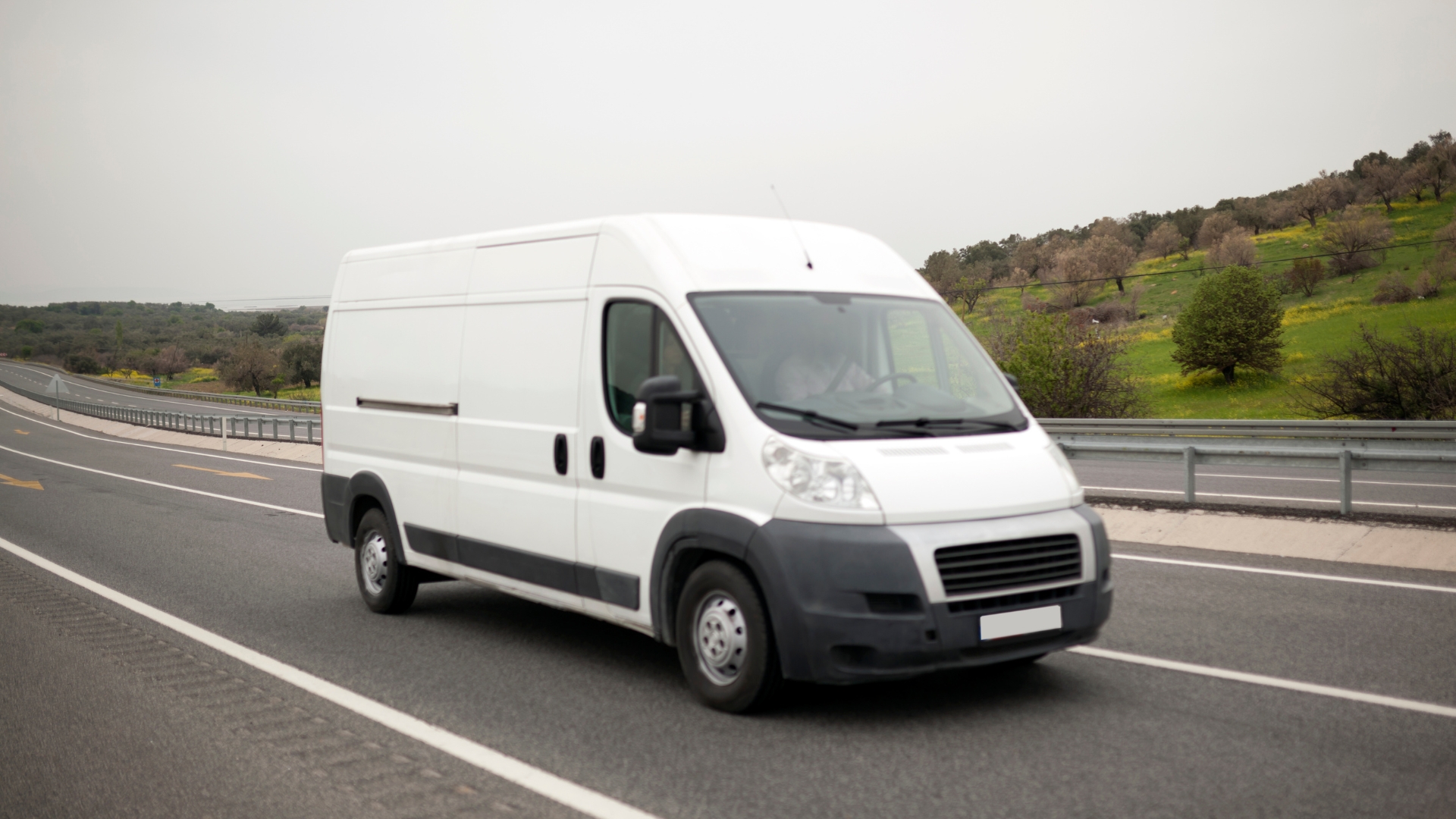
Call Delivery Truck Accident Attorneys in Georgia After a Serious Delivery Vehicle Crash
If a delivery truck driver hit you in Georgia, you do not have to sort through the claim alone while the company and insurer protect themselves. These cases can turn fast. The driver may deny fault, the delivery company may limit what it shares, and the insurance adjuster may push for a statement before you know the full extent of your injuries. Evans Litigation and Trial Law can review what happened, protect important evidence, and help you understand what your claim may be worth.
Delivery truck accident claims often require a closer look at the people and companies behind the vehicle. A crash may involve a rushed driver, a poorly maintained delivery van, a box truck with unsafe cargo, a company route that encouraged speeding, or an insurer looking for any reason to blame you. Evans Litigation and Trial Law investigates those details so your case does not depend on the delivery company’s version of events.
You deserve answers that make sense. If your injuries caused medical bills, missed income, pain, stress, or long-term physical limits, your claim should account for the full damage. A quick insurance offer may not come close to covering what this crash has taken from you. The right legal team can help you slow the process down, gather proof, and push back when the insurer tries to shrink the case.
Evans Litigation and Trial Law represents people injured in delivery truck accidents across Georgia, including crashes involving delivery vans, parcel trucks, box trucks, courier vehicles, and other commercial delivery vehicles. If you are looking for Delivery Truck Accident Attorneys in Georgia, call (678) 613-2797 for a free consultation or contact Evans Litigation and Trial Law through our contact page today.
Practice Areas
Trust Us With Your Personal Injury Claim
If you or a loved one have been injured, Goldberg & Loren will fight for you every step of the way. We will give our all to secure the compensation you rightfully deserve.
Contact usfor a free consultation.
Phone: (304) 449-5157