
Mack Truck Accident Lawyers in Georgia
A Mack truck crash can leave you with serious injuries, a wrecked vehicle, missed work, and an insurance company already looking for ways to protect itself. If you are searching for Mack Truck Accident Lawyers in Georgia, you need a legal team that understands commercial truck claims, heavy vehicle evidence, trucking company liability, and the pressure injured people face after a major collision.
Evans Litigation and Trial Law represents people hurt in commercial truck accidents across Georgia. These cases can involve Mack semi trucks, dump trucks, construction trucks, delivery vehicles, and other heavy commercial vehicles. Our job is to investigate what happened, identify every responsible party, and pursue compensation for your medical bills, lost income, pain, suffering, and long-term recovery needs.
You should not have to chase the trucking company, argue with insurance adjusters, or guess what your claim may be worth while dealing with medical treatment. Call Evans Litigation and Trial Law at (678) 613-2797 now for a free consultation with a Georgia Mack truck accident lawyer who can start protecting your claim.
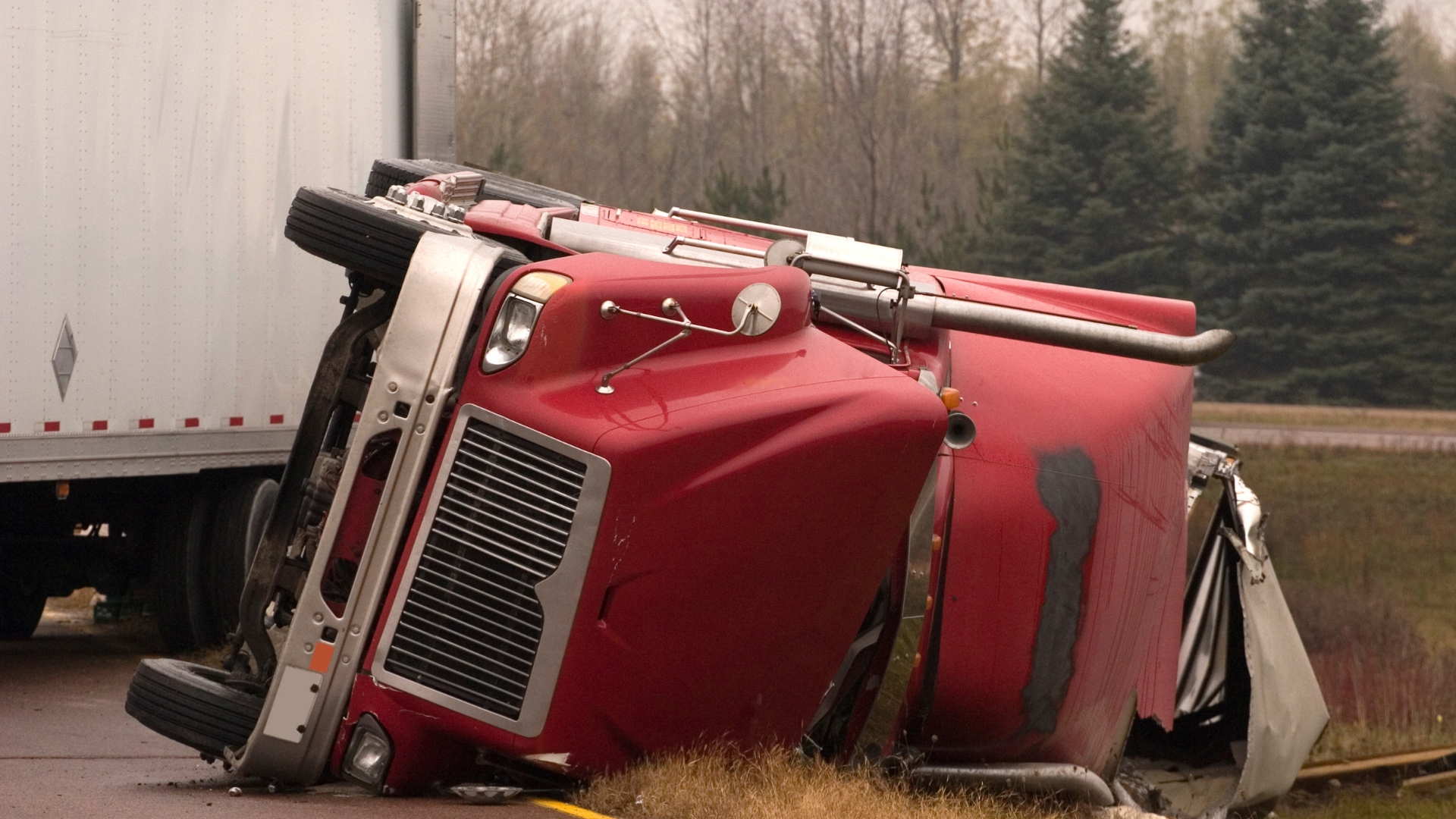
Why You Need Mack Truck Accident Lawyers in Georgia After a Serious Commercial Truck Crash
A Mack truck crash can create legal problems that move fast while you are still trying to understand your injuries. The trucking company may send investigators, the insurance carrier may request a recorded statement, and evidence from the truck may change hands before you know what to ask for. Evans Litigation and Trial Law helps injured people take control of that process before the claim gets shaped by the other side.
These are not simple vehicle damage claims. Mack trucks often operate as heavy commercial vehicles tied to employers, carriers, maintenance vendors, cargo companies, construction companies, and layered insurance policies. A Georgia Mack truck accident lawyer can look beyond the driver and find out whether a company decision, safety failure, or trucking rule violation helped cause the crash.
How Mack Truck Accident Claims Differ From Regular Georgia Car Accident Claims
A regular car accident case often focuses on two drivers, two insurance companies, and one crash report. A Mack truck accident claim can involve a commercial driver, a trucking company, a freight broker, a cargo loading company, a maintenance provider, and a corporate insurance team. That means the investigation must go deeper than the first version of the crash.
The size and weight of a Mack commercial truck also change the injury picture. A person in a passenger vehicle can suffer spinal injuries, brain trauma, broken bones, internal injuries, and long-term pain because the impact force is much greater than a typical car crash. Evans Litigation and Trial Law looks at the full damage caused by the collision, not just the first hospital bill or the first insurance offer.
A Georgia Mack truck accident attorney also needs to understand how commercial trucking evidence works. The truck may contain electronic data, route information, driver logs, inspection records, maintenance files, and company policies. If your lawyer does not request those materials quickly, the defense may control the facts before your side has a fair chance to respond.
Why Mack Commercial Truck Crashes Often Involve More Than One Responsible Party
A Mack truck driver can cause a crash by speeding, following too closely, changing lanes without checking blind spots, driving while tired, or failing to brake in time. That driver may hold direct responsibility for the collision. Still, the driver is often only one part of the claim.
The trucking company may also share fault if it hired an unsafe driver, skipped training, ignored complaints, pushed unrealistic delivery schedules, or failed to enforce safety policies. A company cannot put a heavy commercial truck on Georgia roads and then pretend its safety choices do not matter. Evans Litigation and Trial Law investigates the people and companies behind the vehicle because serious truck crashes often begin before the moment of impact.
Other companies can also become part of the case. A repair shop may have missed worn brakes or unsafe tires. A cargo company may have loaded the trailer in a way that caused instability. A construction company may have used a Mack dump truck in a dangerous job site pattern. A strong claim identifies each party whose choices created danger.
When a Georgia Mack Truck Accident Attorney Should Investigate the Crash
You should speak with a Georgia Mack truck accident attorney as soon as possible after a serious crash. The first few days matter because trucking companies and insurers often begin their own investigation right away. They may photograph the scene, inspect the truck, speak with the driver, and gather documents while you are still in treatment.
Early legal help can protect evidence before it disappears. A lawyer can send preservation demands, request records, identify witnesses, and prevent the insurance company from pushing you into statements that hurt your claim. Evans Litigation and Trial Law can step in quickly, so you do not have to handle corporate insurers on your own.
Timing also matters because Georgia injury claims have legal deadlines. Waiting too long can make it harder to locate records, confirm what the driver did, or prove how the crash affected your life. The sooner the investigation starts, the stronger your position can become.
Preserving Trucking Company Records Before They Disappear
Trucking company records can show whether the driver and company followed safety rules before the crash. These records may include driver qualification files, training documents, inspection reports, maintenance logs, dispatch notes, and communications between the driver and the company. A lawyer can demand that the company preserve these materials before they are lost, deleted, or overwritten.
This matters because trucking companies often control the most useful evidence. You may not have access to the driver’s file, the truck’s inspection history, or the company’s internal safety policies. Evans Litigation and Trial Law can pursue those records and compare them with the crash facts.
Preservation also helps prevent the defense from limiting the claim to the police report. A crash report may contain useful information, but it rarely tells the full story in a commercial truck case. Company records can reveal whether the crash came from a wider pattern of unsafe decisions.
Driver Qualification Files in Mack Truck Accident Claims
A driver qualification file can show whether the trucking company should have trusted the driver with a Mack commercial truck. It may include employment history, driving records, license information, medical qualification documents, prior violations, and training records. These details can matter when the driver has a history of unsafe conduct.
If a trucking company ignored warning signs, the claim may involve more than careless driving. It may involve negligent hiring, poor supervision, or weak safety controls. That can change the direction and value of the case.
A Georgia Mack truck accident lawyer can review these files for gaps, missing documents, and red flags. Evans Litigation and Trial Law uses this kind of evidence to determine whether the company put an unsafe driver behind the wheel.
Maintenance Records After a Heavy Truck Collision
Maintenance records can show whether the Mack truck had brake problems, tire issues, steering concerns, lighting failures, or other safety defects before the crash. Heavy trucks need consistent inspections because small mechanical problems can become dangerous under highway speeds and heavy loads. A missed repair can turn a preventable issue into a life-changing collision.
These records can also identify outside vendors. If a repair company inspected the truck but failed to fix a known issue, that company may become part of the claim. The same may apply if the trucking company skipped scheduled maintenance or allowed the truck to stay in service after a safety complaint.
A lawyer can compare maintenance records with the crash scene evidence. For example, long skid marks, poor braking, tire debris, or driver statements may point to mechanical problems that deserve closer review.
Reviewing Driver Logs and Dispatch Records After a Mack Truck Crash
Driver logs and dispatch records can show what the truck driver was doing before the collision. These materials may reveal how long the driver had been working, where the truck had traveled, and whether the delivery schedule placed unsafe pressure on the driver. Fatigue and rushed driving can turn a commercial truck into a serious hazard.
Dispatch records can also show whether the company controlled the driver’s route or timeline. If the company expected unrealistic delivery times, the driver may have felt pressure to speed, skip rest, or drive longer than safety rules allow. Evans Litigation and Trial Law looks for these patterns because companies often shape driver behavior through schedules and expectations.
These records can also help challenge defense claims. If the trucking company argues that the driver had enough time and rest, logs and dispatch records may prove otherwise. A strong investigation checks the paper trail against the real timeline.
Hours of Service Issues in Mack Truck Injury Claims
Hours of service rules exist because tired truck drivers can make dangerous mistakes. Fatigue can slow reaction time, reduce focus, and make it harder to judge stopping distance. When a driver operates a heavy Mack truck while exhausted, a small mistake can cause severe injuries.
A lawyer can examine logs for long shifts, missing breaks, unusual edits, or patterns that do not match the route. In some cases, electronic logging data may conflict with dispatch notes, receipts, fuel records, or location data. Those conflicts can help expose inaccurate reporting.
Evans Litigation and Trial Law can review these details to determine whether fatigue contributed to the crash. If the driver or company ignored rest requirements, that evidence may support the injury claim.
Delivery Pressure and Unsafe Driving Decisions
Delivery pressure can influence how a Mack truck driver behaves on the road. A driver who feels rushed may speed, follow too closely, take unsafe routes, or keep driving when tired. The company may deny that it pressured the driver, but dispatch messages and delivery records may tell a different story.
Unsafe scheduling can also affect local and regional trucking routes in Georgia. A commercial driver moving through Atlanta, Macon, Savannah, Augusta, or other high-traffic areas may face tight timelines, congested roads, and pressure to stay on schedule. That pressure can increase the risk of aggressive driving.
A Georgia Mack truck accident attorney can look at whether the company created the conditions that led to the crash. The driver may have made the final mistake, but the company may have helped create the danger.
Finding Maintenance Evidence in Mack Truck Accident Claims
Maintenance evidence can help explain why a Mack truck could not stop, turn, or operate safely before impact. Large commercial trucks need properly working brakes, tires, steering systems, lights, mirrors, and coupling equipment. When one of those systems fails, people in smaller vehicles often pay the price.
A maintenance review should look at more than the most recent inspection. A lawyer should examine the truck’s repair history, repeated complaints, prior out-of-service issues, and whether the company fixed known problems. Evans Litigation and Trial Law can use that history to find patterns that a quick insurance review may miss.
Maintenance evidence can also support expert analysis. If the crash involved brake failure, tire blowout, trailer instability, or steering problems, a technical review may help show how the defect caused or worsened the collision. That kind of proof can matter when the defense tries to blame the injured person.
Brake Failure Evidence in Mack Commercial Truck Crashes
Brake problems can cause devastating Mack truck crashes because heavy trucks need much more distance to stop. If brakes were worn, poorly adjusted, overheated, or badly maintained, the driver may not have been able to slow down in time. A rear-end crash, intersection collision, or downhill impact may raise serious brake questions.
A lawyer can review inspection reports, repair orders, driver complaints, and post-crash truck inspections. These records may show whether the trucking company knew about brake issues before the crash. They may also show whether a repair vendor failed to correct the problem.
Brake evidence should not be left to the trucking company alone. Evans Litigation and Trial Law can demand preservation of the vehicle and related records so the defense does not control the mechanical story.
Tire and Steering Problems in Mack Truck Collision Claims
Tire and steering problems can make a Mack truck difficult to control. A tire blowout can cause a driver to swerve, lose control, or strike nearby traffic. Steering issues can make lane changes, turns, and emergency maneuvers unsafe.
These problems often leave evidence behind. Tire debris, unusual vehicle damage, maintenance records, and driver reports may help show what happened. A lawyer can connect those details with inspection history and company maintenance practices.
If the trucking company ignored worn tires or steering complaints, the claim may involve negligent maintenance. That can support liability against the company, the maintenance provider, or another responsible party.
How a Georgia Mack Truck Accident Attorney Proves Who Caused the Collision
A Mack truck crash rarely tells the truth in one clean sentence. The driver may blame traffic. The trucking company may blame you. The insurance carrier may act like the police report ends the discussion before anyone checks the truck data, maintenance records, dispatch history, or company safety decisions.
Evans Litigation and Trial Law looks at fault from every practical angle. A Georgia Mack truck accident attorney can review what the driver did, what the company allowed, what the truck’s condition showed, and what other businesses had control over the load, route, repair work, or jobsite. That matters because the strongest truck accident claims do not stop at the driver’s version of the crash.
How Truck Driver Negligence Can Cause Mack Truck Crashes in Georgia
Truck driver negligence can look simple at first. A driver speeds, misses traffic, follows too closely, or drifts into another lane. The problem is that a heavy Mack truck does not forgive those mistakes the way a smaller car might.
A lawyer must connect the driver’s action to the collision and your injuries. That means reviewing the crash report, witness statements, photos, medical records, vehicle damage, and any available electronic data. Evans Litigation and Trial Law uses that evidence to push back when the insurance company tries to turn a serious commercial truck crash into a vague disagreement about who “should have been paying attention.”
Driver negligence can also point back to the trucking company. If the company hired an unsafe driver, ignored complaints, failed to train the driver, or pushed a schedule that encouraged reckless driving, the driver’s conduct may reveal a larger safety failure.
Speeding With a Heavy Mack Truck on Georgia Highways
Speed changes everything in a Mack truck accident claim. A loaded commercial truck needs more room to slow down, more time to react, and more space to avoid a hazard. When a driver moves too fast on I-75, I-85, I-20, I-16, I-95, or I-285, a single bad decision can become a violent crash.
A Georgia Mack truck accident attorney can compare the driver’s speed with the road conditions, traffic pattern, weather, impact damage, and available truck data. The posted speed limit does not always tell the whole story. A Mack truck driver may still drive too fast for heavy traffic, rain, construction zones, curves, hills, or stop and go congestion.
Evans Litigation and Trial Law can look for evidence that shows whether speed played a role. That may include electronic control module data, dashcam footage, witness accounts, skid marks, vehicle crush damage, and the final resting positions of the vehicles.
How Speed Evidence Can Strengthen a Mack Truck Injury Claim
Speed evidence helps explain why the crash happened and why the injuries were severe. A truck that strikes a smaller vehicle at a higher speed can cause more force, more damage, and a greater risk of catastrophic harm. This evidence can help connect the driver’s choices to the full impact on your body and your life.
A lawyer may use speed evidence to challenge the driver’s statement. If the driver claims they were moving slowly, but the damage pattern or truck data says otherwise, that contradiction matters. Insurance companies do not like contradictions that make their insured driver look careless.
Speed evidence can also support claims against the trucking company. If company policies, delivery demands, or driver monitoring records show a pattern of speeding, the case may involve more than one careless moment behind the wheel.
Unsafe Lane Changes and Blind Spot Collisions With Mack Trucks
Mack trucks have large blind spots that can swallow a passenger vehicle from the driver’s view. That does not excuse an unsafe lane change. Commercial drivers must check mirrors, use signals, manage speed, and avoid moving into a lane unless they can do it safely.
Blind spot crashes often happen when a truck sideswipes a smaller vehicle, forces a driver off the road, or pins a car between lanes. These collisions can occur on crowded Georgia interstates, surface roads, port routes, and construction corridors. The trucking company may claim you “came out of nowhere,” but that phrase often means the driver failed to manage the truck’s blind zones.
Evans Litigation and Trial Law can investigate whether the driver checked mirrors, signaled properly, drifted from the lane, or changed lanes without enough space. The claim may also involve dashcam footage, nearby business surveillance video, vehicle damage, and witness accounts from drivers who saw the Mack truck move before impact.
Why Blind Spot Claims Need More Than the Driver’s Statement
Blind spot claims can turn into finger-pointing fast. The truck driver may say you were hidden from view. The insurance company may argue that you should have stayed away from the truck. Those arguments ignore the basic rule that a commercial driver must control the vehicle before changing lanes.
A lawyer can test the driver’s version against physical evidence. Damage location, lane markings, crash scene photos, video footage, and witness statements may show whether the Mack truck moved into your lane. Those details can cut through the fog that insurance companies often create.
A blind spot defense can also fall apart when the driver has time to see the smaller vehicle. If traffic moved slowly, the lane change unfolded over several seconds, or the driver had mirror visibility, the claim that the car was impossible to see may not hold up.
Driver Fatigue in Long Haul and Regional Mack Truck Routes
Fatigue can make a truck driver dangerous before the driver even realizes it. Tired drivers react more slowly, miss obvious hazards, drift from lanes, and make poor judgment calls. When the driver operates a heavy Mack truck, those mistakes can leave another person with life-changing injuries.
A Georgia Mack truck accident lawyer can look at logs, schedules, fuel receipts, toll records, GPS records, dispatch messages, and delivery timelines. These records may show whether the driver had enough rest or whether the company expected too much driving in too little time. Evans Litigation and Trial Law pays attention to those details because fatigue often hides inside paperwork.
Fatigue claims require patience and pressure. The trucking company may not volunteer the records that make its driver look unsafe. A lawyer must know what to request, what to compare, and what gaps may reveal about the timeline.
How Fatigue Evidence Can Expose a Broken Safety Process
Fatigue evidence can show more than a tired driver. It can show a company process that rewards speed and ignores risk. If dispatch messages pushed a driver to keep moving, or if delivery schedules left no realistic time for rest, the company’s decisions may become part of the claim.
A lawyer can compare the driver’s records with outside evidence. Receipts, phone records, GPS data, inspection records, and customer delivery times can show whether the driver’s log matches reality. When those pieces do not line up, the defense has a problem.
Fatigue can also explain strange crash behavior. A Mack truck that never brakes, drifts across lanes, or rear-ends stopped traffic may point to a driver who was too tired to respond. That evidence can help tell the real story of the collision.
How Trucking Company Negligence Can Affect a Mack Truck Accident Claim
A trucking company cannot place a commercial vehicle on Georgia roads and then vanish behind the driver after a crash. Companies decide who they hire, how they train, how they schedule, how they maintain their trucks, and how they respond to safety problems. Those choices can matter as much as what the driver did at the wheel.
Evans Litigation and Trial Law investigates company-level negligence because serious Mack truck crashes often start in an office, a dispatch system, a maintenance yard, or a hiring file. If a company ignored risk before the collision, the claim should reflect that. The injured person should not carry the cost of a preventable safety failure.
A Georgia Mack truck accident attorney can look for patterns that show poor management. That may include repeated driver violations, rushed delivery schedules, missing inspection records, weak training, prior crashes, or ignored maintenance complaints.
Poor Hiring Decisions by a Commercial Trucking Company
Hiring matters in truck accident claims because commercial drivers handle vehicles that can cause massive harm. A trucking company should review a driver’s background, driving history, license status, qualifications, and safety record before putting that person behind the wheel. When a company skips this work, it gambles with everyone else on the road.
A negligent hiring claim may arise when a company hires a driver with a history of unsafe driving, crashes, violations, substance issues, or disqualifying problems. The company may still try to frame the collision as an isolated mistake. A closer look at the driver’s file may show the warning signs were there long before the crash.
Evans Litigation and Trial Law can pursue the records needed to evaluate the driver’s background. Those records may help prove that the company failed to use reasonable care when it handed the driver the keys to a Mack commercial truck.
What Driver History Can Reveal After a Mack Truck Collision
Driver history can reveal whether the crash was predictable. Prior speeding violations, unsafe lane changes, preventable crashes, or license problems can show that the company knew or should have known the driver created a risk. That evidence can change how the case looks.
A lawyer may review employment applications, driving records, safety evaluations, prior employer information, and disciplinary documents. These records can show whether the company took the driver’s history seriously. They can also show whether the company missed obvious red flags.
Insurance companies may resist this kind of investigation because it expands the claim beyond the crash scene. That is exactly why the investigation matters. A serious Mack truck injury claim should examine every decision that helped put an unsafe driver on the road.
Weak Driver Training Before Operating a Mack Heavy Duty Truck
A Mack heavy-duty truck requires skill, caution, and real training. A driver must understand stopping distance, turning radius, blind spots, load behavior, braking systems, inspection duties, and safe driving in traffic. A company that rushes training can leave the public exposed to avoidable harm.
Weak training may show up in the crash details. A driver may misjudge a turn, follow too closely, mishandle a downgrade, fail to inspect equipment, or respond poorly during an emergency. These mistakes can point to a company that failed to prepare the driver for the vehicle.
Evans Litigation and Trial Law can review training records, safety manuals, orientation materials, supervisor notes, and company policies. If the company cannot prove meaningful training, that silence can become part of the story.
Why Training Records Matter in Georgia Truck Accident Claims
Training records can show whether the company treated safety as a real duty or a box to check. A thin file may suggest the driver received little more than basic onboarding before operating a heavy truck. That can matter when the crash involved a preventable driving error.
A lawyer can compare the training records with the crash facts. If the collision involved blind spots, braking, load control, or turning errors, the question becomes whether the company trained the driver on those risks. A company cannot claim safety mattered if its own records show otherwise.
Training records also help identify supervisors and safety managers. Those people may know whether the company saw problems with the driver before the crash. Their knowledge can help prove the company had a chance to prevent the collision.
Pressure To Meet Delivery Deadlines on Georgia Freight Routes
Commercial trucking runs on schedules, but schedules should never outrank safety. A company that pressures drivers to meet unreasonable delivery times may encourage speeding, fatigue, unsafe lane changes, and risky route decisions. The driver may make the move, but the company may have created the pressure.
Georgia has major freight routes that move through Atlanta, Savannah, Macon, Augusta, Columbus, and other busy areas. A Mack truck driver under deadline pressure may take risks in congestion, work zones, port traffic, or interstate traffic. That pressure can make an already dangerous situation worse.
A Georgia Mack truck accident attorney can review dispatch messages, delivery windows, route history, GPS data, and communications between the driver and company. Evans Litigation and Trial Law can use those records to determine whether the company put delivery speed ahead of public safety.
How Dispatch Records Can Show Company Pressure
Dispatch records can show what the company expected from the driver before the crash. Messages, route assignments, delivery times, and supervisor communications may reveal whether the driver faced pressure to keep moving. These records can be especially important when the driver appeared rushed or tired.
A lawyer can compare dispatch demands with the route and real traffic conditions. If the schedule left little room for rest, delays, inspections, or safe driving, the company’s timeline may support a negligence claim. A company should not build profit around unsafe expectations.
Dispatch evidence can also contradict testimony. If a company representative claims the driver had no pressure, written messages may tell a sharper story. In commercial truck cases, the paperwork often remembers what people later deny.
How Cargo Companies and Maintenance Vendors Can Share Fault After a Mack Truck Crash
A Mack truck accident may involve companies that never appear on the crash report. A cargo loader may have handled the freight. A maintenance vendor may have inspected the brakes. A construction company may have controlled the jobsite. Each of those companies may have made decisions that affected safety.
Evans Litigation and Trial Law investigates these outside parties when the facts call for it. A claim should not focus only on the easiest target if another company helped cause the crash. The goal is to identify every source of fault and every available insurance policy.
This matters because commercial truck claims can involve layered responsibility. One company may own the truck. Another may employ the driver. Another may load the cargo. Another may repair the vehicle. A Georgia Mack truck accident attorney must untangle that knot before the defense tightens it.
Improperly Loaded Cargo in a Mack Tractor Trailer Accident
Cargo loading affects how a Mack tractor-trailer moves, stops, and turns. If cargo shifts, exceeds safe weight, or sits unevenly in the trailer, the truck can become harder to control. That can lead to rollovers, jackknife crashes, lane departures, and sudden braking problems.
A cargo company may share fault if it loaded freight carelessly or failed to secure the load. The truck driver and trucking company may also share responsibility if they failed to inspect the load before travel. A serious crash may require a close review of bills of lading, weight tickets, loading records, photos, and inspection documents.
Evans Litigation and Trial Law can examine whether improper loading contributed to the collision. This evidence can matter in crashes involving turns, curves, sudden shifts, rollovers, or lost cargo.
Why Load Securement Evidence Matters After a Mack Truck Crash
Load securement evidence can explain why the truck behaved dangerously before impact. A shifting load can pull a trailer off balance, increase stopping distance, or cause the driver to lose control. Without this evidence, the crash may look like driver error alone.
A lawyer can review cargo records and compare them with the crash pattern. If the trailer rolled, swayed, spilled materials, or jackknifed, the load deserves careful attention. The cargo company may have important records that the injured person cannot get alone.
The load evidence can also reveal whether the driver completed the required checks. If the driver ignored obvious loading problems, the driver and the company may share fault. If the cargo loader created a hidden danger, the loading company may also answer for it.
Brake and Tire Problems in Mack Truck Injury Claims
Brake and tire problems can make a Mack truck unsafe before it ever leaves the yard. A worn tire can fail under heat and weight. Bad brakes can increase stopping distance or leave the driver unable to avoid stopped traffic. These issues can turn a manageable hazard into a violent crash.
A maintenance vendor may share fault if it inspected the truck but failed to identify or fix a safety issue. The trucking company may also share fault if it delayed repairs, ignored driver complaints, or kept the truck in service after warning signs. Evans Litigation and Trial Law can investigate both the repair history and the company’s maintenance decisions.
A Georgia Mack truck accident attorney can seek inspection records, repair invoices, out-of-service reports, driver vehicle inspection reports, and post-crash inspection findings. Those records can help prove whether the truck was safe enough to operate.
How Mechanical Evidence Can Challenge the Insurance Defense
Insurance companies may claim the crash came from sudden traffic, bad weather, or your own driving. Mechanical evidence can challenge that version. If the Mack truck had worn brakes, bad tires, steering trouble, or ignored repairs, the defense may lose its clean story.
A lawyer can use mechanical evidence to show that the collision had a preventable cause. The company may have had chances to fix the problem before the crash. A vendor may have missed the issue during service.
Mechanical evidence can also support expert review. An expert may examine the truck, repair records, damage pattern, and crash scene facts to explain how the defect contributed to the impact. That kind of analysis can make fault harder for the defense to dodge.
Repair Records That May Show Neglected Truck Safety Issues
Repair records can tell a long story about a Mack truck’s condition. They may show repeated brake complaints, tire replacements, steering repairs, lighting issues, or inspection failures. A single repair invoice may look routine, but a pattern of repeated problems can reveal a truck that needed more attention before the crash.
A trucking company may try to describe the vehicle as properly maintained. The actual records may show rushed repairs, deferred work, incomplete inspections, or recurring defects. Evans Litigation and Trial Law can review those records and compare them with the crash facts.
Neglected safety issues can support claims against multiple parties. The trucking company may have allowed the truck to operate. A vendor may have failed to complete proper work. A supervisor may have ignored reports from the driver. A strong investigation follows the paper trail until it finds where the safety breakdown happened.
What Repeated Repair Problems Can Reveal About Company Negligence
Repeated repair problems can show that the company knew the truck had safety issues. If the same problem appears again and again, the company cannot easily claim surprise after a crash. Patterns matter because they show notice.
A lawyer can look for repeated complaints, temporary fixes, missing follow-up inspections, and repair work that did not solve the problem. These details can help prove the company chose convenience over safety. That choice can carry serious consequences when someone gets hurt.
Evans Litigation and Trial Law can use repeated repair evidence to strengthen a Mack truck accident claim. The goal is direct. Find out who knew about the danger, when they knew it, and why the truck stayed on Georgia roads anyway.

Call Mack Truck Accident Lawyers in Georgia After a Commercial Truck Crash
If a Mack truck crash injured you or someone you love, you do not have to sort through the insurance fight alone. These claims can get complicated fast, especially when a trucking company, commercial driver, maintenance vendor, cargo company, or corporate insurer tries to shift blame. Evans Litigation and Trial Law can investigate the crash, protect important evidence, and pursue compensation for the full impact of your injuries.
Our Mack Truck Accident Lawyers in Georgia understand how serious commercial truck collisions can change your life. You may be dealing with emergency care, surgery, physical therapy, missed income, vehicle damage, and pain that does not go away after a few days. Your claim should account for what the crash has already cost you and what your recovery may require in the future.
Evans Litigation and Trial Law handles commercial truck accident claims across Georgia, including crashes involving Mack semi trucks, dump trucks, construction trucks, vocational trucks, fleet vehicles, and other heavy commercial vehicles. We can review the driver’s conduct, the trucking company’s records, the truck’s maintenance history, electronic data, insurance coverage, and any evidence that shows why the crash happened.
Do not wait while the trucking company builds its defense. If you were injured in a Mack truck crash in Georgia, call Evans Litigation and Trial Law at (678) 613-2797 for a free consultation or contact us through our contact page so our Georgia Mack truck accident attorneys can start protecting your claim.
Practice Areas
Trust Us With Your Personal Injury Claim
If you or a loved one have been injured, Goldberg & Loren will fight for you every step of the way. We will give our all to secure the compensation you rightfully deserve.




Contact usfor a free consultation.
Phone: (304) 449-5157