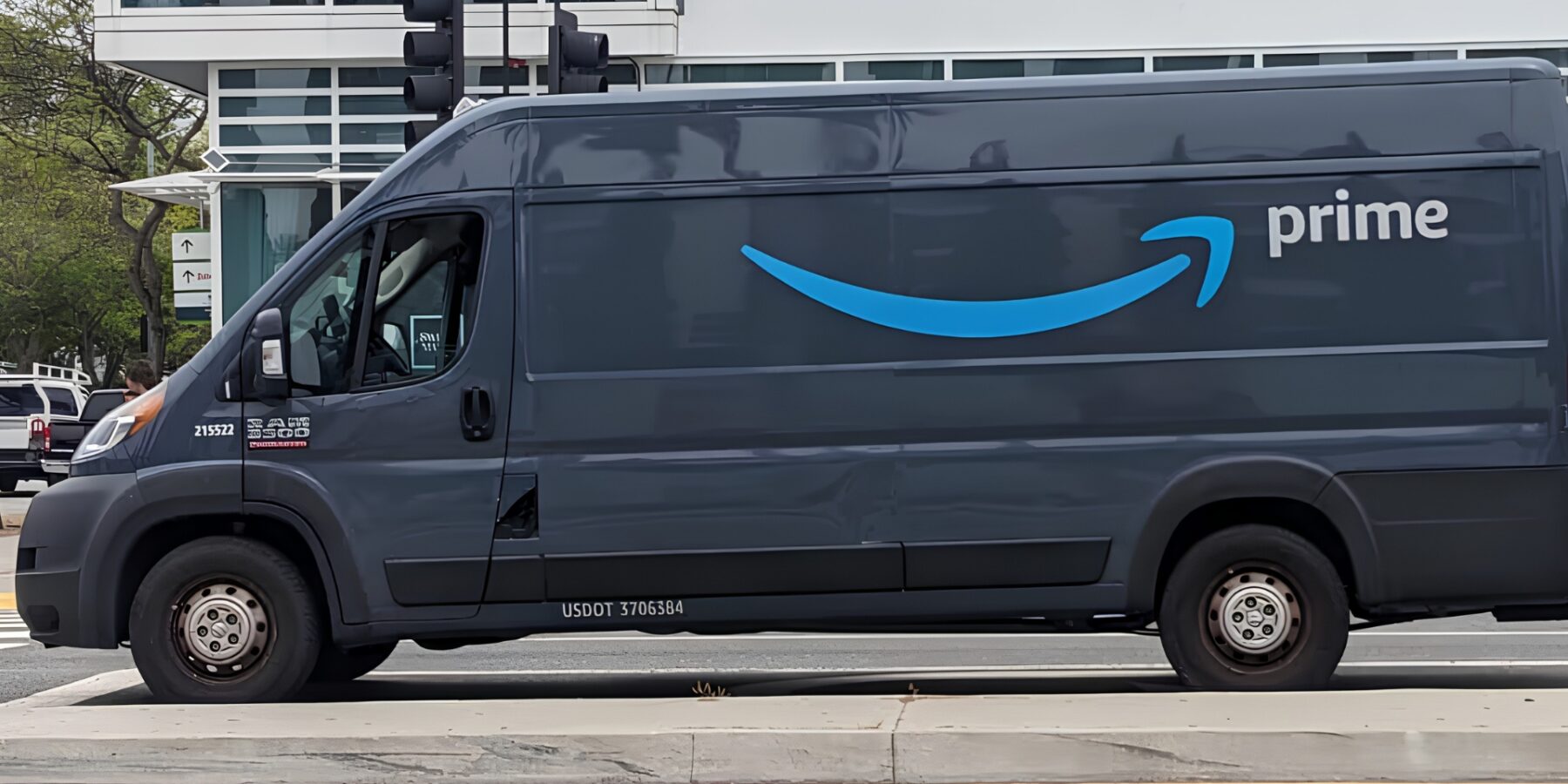
Amazon Truck Accident Lawyers in Georgia
An Amazon delivery truck crash can leave you hurt, without a working vehicle, and unsure who should pay for what happened. If you are searching for Amazon Truck Accident Lawyers in Georgia, you likely need help figuring out whether the driver, a delivery contractor, Amazon Logistics, an insurance company, or another party may be responsible for your injuries.
Evans Litigation and Trial Law helps injured people across Georgia after serious commercial delivery vehicle crashes. These cases can move fast because evidence can disappear, insurance companies can start shifting blame, and delivery companies may try to distance themselves from the driver. You need someone who knows how to investigate the crash before the other side controls the story.
If an Amazon truck, delivery van, or package delivery driver injured you in Georgia, call Evans Litigation and Trial Law at (678) 613-2797 now for a free consultation. We can review what happened, explain your next steps, and help protect your claim before evidence gets harder to find.
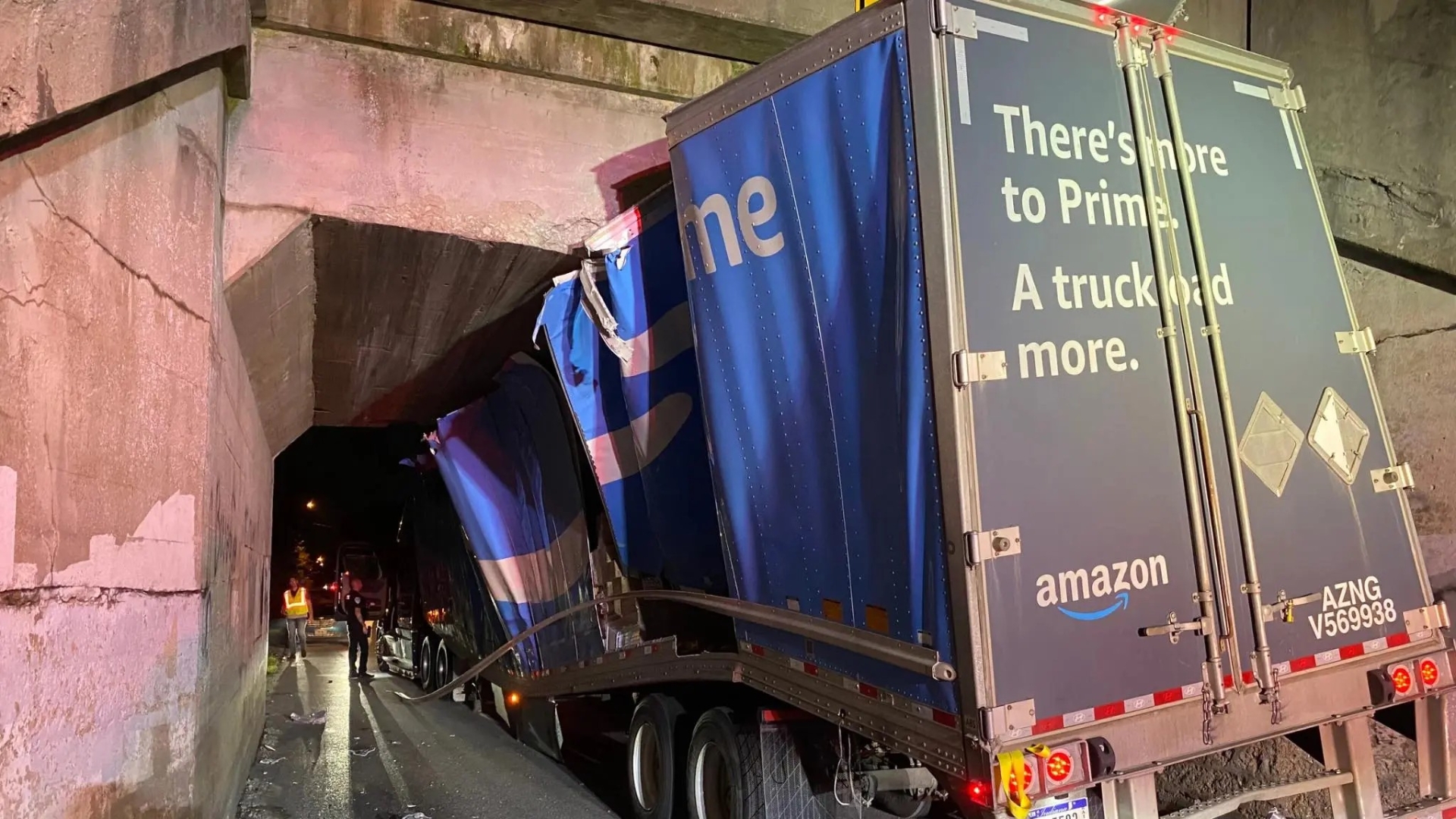
Why You Need Amazon Truck Accident Lawyers in Georgia After a Delivery Crash
An Amazon delivery crash can look simple at first. A driver hit you, the police came to the scene, and an insurance company may have already called. The problem is that Amazon delivery accident claims often involve more than one company, more than one insurance policy, and more than one version of what happened.
Evans Litigation and Trial Law helps injured people look past the surface details. A delivery driver may have worn an Amazon vest, driven an Amazon-branded van, or delivered Amazon packages, but the legal claim may involve a contractor, a delivery service partner, a fleet owner, or a separate insurance carrier. You need a legal team that knows how to ask the right questions early.
Amazon Delivery Truck Crashes Can Create Complicated Georgia Injury Claims
Amazon delivery trucks and vans move through Georgia neighborhoods, business districts, apartment complexes, rural roads, and major highways every day. These drivers often stop, turn often, and work under delivery route pressure. When a driver rushes, misses a blind spot, blocks a lane, or pulls away without checking traffic, the impact can cause serious injuries.
Your claim may involve medical care, lost income, vehicle damage, pain, and long term recovery. The insurance company may still treat the crash like a routine fender bender. Evans Litigation and Trial Law can investigate how the crash happened and push the claim toward the full harm you suffered.
A delivery truck accident can become more difficult when the driver denies fault or gives a vague explanation. The other side may claim you were speeding, following too closely, or failed to avoid the crash. A lawyer can review the physical evidence, the police report, witness accounts, and any available video before those details get lost.
Amazon Delivery Vehicles Can Cause Serious Injuries in Everyday Traffic
Amazon delivery vehicles often operate in tight spaces where pedestrians, parked cars, cyclists, and passenger vehicles sit close together. A crash in a neighborhood, parking lot, or apartment complex can still cause major harm because these vehicles are larger and heavier than most passenger cars. Even a lower speed impact can injure your neck, back, shoulders, knees, or head.
Georgia delivery crashes can also happen on busy routes near Atlanta, Augusta, Columbus, Macon, Savannah, Athens, South Fulton, Sandy Springs, Roswell, and Warner Robins. A delivery driver who makes a rushed lane change or sudden stop near heavy traffic can cause a multi-vehicle collision. Evans Litigation and Trial Law can review where the crash happened and what traffic conditions may have contributed to it.
You should not assume your injuries are minor just because the crash happened during a routine delivery route. Pain can worsen after the adrenaline wears off. Medical records can help connect your injuries to the crash and protect your claim from insurance arguments later.
Delayed Pain After an Amazon Delivery Crash Can Still Matter
Many injured people feel sore at the scene but hope the pain will pass. That can be a costly mistake if the insurance company later argues that your injuries came from something else. You should get medical care as soon as you notice pain, stiffness, headaches, numbness, or limited movement.
Delayed symptoms often appear in neck, back, shoulder, and concussion cases. A doctor can document what you reported, when symptoms started, and what treatment you need. Those records can become important when Evans Litigation and Trial Law builds your claim.
The insurance company may look for any gap in treatment. If you wait too long, the adjuster may argue that the crash did not cause your injuries. Fast medical care helps protect both your health and your legal claim.
Amazon Truck Accident Claims Often Require More Than a Basic Police Report
A police report can help, but it may not tell the full story. Officers usually document what they can observe at the scene, identify drivers, note citations, and collect statements. They may not investigate the delivery company structure, route data, driver history, maintenance records, or insurance coverage behind the Amazon delivery vehicle.
A strong claim often needs deeper evidence. That can include photos, dash camera footage, nearby surveillance video, delivery logs, vehicle inspection records, and witness statements. Evans Litigation and Trial Law can look for evidence that explains why the crash happened and who had control over the delivery work.
You should save anything that connects the driver to Amazon or a delivery route. Photos of the van, packages, logos, license plate, driver uniform, delivery app, or tracking information can help. Small details can become important when companies later dispute responsibility.
Early Evidence Requests Can Keep Companies From Controlling the Story
Delivery companies and insurers often move quickly after a crash. They may gather their own statements, review their own records, and build their own defense before you understand the claim. That puts you at a disadvantage if you wait too long to get legal help.
A lawyer can send preservation requests that tell the responsible parties to keep relevant evidence. This may include vehicle data, driver records, route details, inspection documents, and video. These requests help prevent the other side from claiming that useful evidence no longer exists.
Evans Litigation and Trial Law can act early so your case does not depend only on what the insurance company chooses to share. That matters because Amazon delivery accident claims often involve records that injured people cannot access on their own. The sooner the investigation starts, the better chance you have to protect the facts.
Amazon Delivery Van Accidents Often Involve More Than One Responsible Party
A crash involving an Amazon-branded van does not always mean one party controls every part of the claim. The driver may work for a delivery service partner, a contractor, or another company that handles Amazon package delivery. The vehicle may also have separate ownership, maintenance, and insurance details.
This structure can confuse injured people. You may receive calls from an insurer that does not clearly explain who it represents. You may also hear that Amazon is not responsible because the driver worked for another company. Evans Litigation and Trial Law can review the relationship between the driver, contractor, vehicle owner, and delivery operation.
Multiple responsible parties can matter because serious injuries often create damages that exceed a basic insurance policy. When more than one company contributed to the crash, your lawyer should investigate each one. A rushed answer can leave money and accountability on the table.
A Delivery Contractor May Be Responsible for the Driver’s Conduct
Many Amazon delivery routes involve contractor companies that hire, train, supervise, and schedule drivers. If a contractor placed an unsafe driver on the road, ignored safety problems, or failed to enforce basic driving rules, that company may become part of the claim. The driver’s mistake may only be one part of the bigger picture.
The contractor may control driver schedules, vehicle assignments, route expectations, and internal safety policies. Those details can help show whether the crash came from a larger pattern of unsafe delivery practices. Evans Litigation and Trial Law can investigate those issues instead of stopping at the driver’s statement.
You need to know who had the power to prevent the crash. If a company hired the driver, assigned the route, maintained the vehicle, or pushed unrealistic delivery expectations, that company may need to answer for its role. A lawyer can track those details and connect them to the evidence.
Driver Training Records Can Show Whether a Contractor Took Safety Seriously
Training records can show whether a delivery company prepared the driver for Georgia roads. A driver who handles residential deliveries needs to understand blind spots, backing safety, pedestrian risks, parking hazards, and safe stopping practices. Poor training can turn routine package delivery into a serious crash risk.
A contractor may claim that the driver alone caused the crash. Training records can test that claim. If the company failed to train the driver or ignored prior safety problems, the case may involve more than one negligent act.
Evans Litigation and Trial Law can look for records that show what the driver knew before the crash. Those records can help prove whether the company treated safety as part of the job or treated speed as the only goal. That difference can matter when building a Georgia Amazon truck accident claim.
Vehicle Owners and Maintenance Companies May Also Matter
Some delivery vehicles belong to a company separate from the driver. Others may involve leased vehicles, fleet maintenance vendors, or inspection schedules. If poor brakes, worn tires, broken lights, or steering problems contributed to the crash, the investigation should not stop with the driver.
Maintenance evidence can reveal whether the vehicle had known problems before the collision. Repair records, inspection logs, and service history can show whether someone ignored a danger. Evans Litigation and Trial Law can review whether the delivery vehicle itself played a role in your injuries.
A serious delivery truck claim needs a full picture. Driver error, company pressure, poor maintenance, and bad supervision can overlap. When those facts overlap, the claim may involve several parties who all try to point at each other.
Fleet Records Can Help Explain Preventable Delivery Truck Crashes
Fleet records can show how a delivery company handled its vehicles before the crash. These records may include inspection reports, repair notes, complaint logs, and service schedules. They can help determine whether the vehicle should have been on the road at all.
If a driver reported a safety problem and the company ignored it, that fact can matter. If a vehicle missed required maintenance, that can also support the claim. Evans Litigation and Trial Law can use these records to look beyond the crash scene and identify preventable failures.
You should not have to prove these issues alone. Most injured people do not have access to fleet files or maintenance databases. A lawyer can demand the records and use them to hold the right parties accountable.
Georgia Insurance Companies May Blame You After an Amazon Truck Crash
Insurance companies often look for ways to reduce what they pay. After an Amazon delivery truck crash, an adjuster may say you drove too fast, stopped too suddenly, failed to yield, or should have seen the delivery vehicle sooner. These arguments can affect your claim because Georgia law considers fault percentages in injury cases.
This is why you need careful legal help early. Evans Litigation and Trial Law can review the evidence before the insurance company turns an incomplete story into its official position. Your lawyer can compare the adjuster’s claims against photos, vehicle damage, video, witness statements, and medical records.
Blame shifting can feel personal, especially when you know the crash was not your fault. Do not let that pressure push you into a recorded statement or quick settlement. The insurance company has a financial reason to question your claim.
Adjusters May Use Your Words Against Your Injury Claim
Insurance adjusters may sound friendly on the phone. They may ask how you feel, what you saw, where you were going, and whether you think you could have avoided the crash. Those questions can create problems if you answer before you understand the legal impact.
A simple statement can get twisted. If you say you feel fine, they may use that against you later when pain worsens. If you say you did not see the Amazon van until the last second, they may argue you were not paying attention.
Evans Litigation and Trial Law can deal with the insurance company for you. That protects you from giving answers before you know what evidence exists. It also keeps the claim focused on facts instead of insurance pressure.
Recorded Statements Can Create Problems Before Treatment Is Complete
A recorded statement locks you into answers early. At that point, you may not know the full extent of your injuries, the driver’s conduct, or the company structure behind the delivery route. The insurance company may still ask broad questions designed to limit your claim.
You should be careful before agreeing to any recorded statement. The adjuster does not represent you. Their job is to protect the insurance company’s money.
A lawyer can decide whether a statement is necessary and prepare you before any conversation takes place. Evans Litigation and Trial Law can also make sure the insurer does not ask unfair or misleading questions. That protection can make a real difference in a disputed Amazon delivery crash claim.
Quick Settlement Offers Can Undervalue Georgia Amazon Truck Accident Claims
An insurance company may offer money soon after the crash. That offer may look helpful when you have medical bills, missed work, and vehicle damage. It may also arrive before you know whether you need physical therapy, injections, surgery, follow-up scans, or long-term care.
Once you settle, you usually cannot go back for more money later. That creates a serious risk if your injuries worsen. Evans Litigation and Trial Law can review the offer and compare it to your medical needs, lost income, and the evidence of fault.
A fast settlement often helps the insurance company close the file before the claim develops. It does not always help you recover. You need to know what your case may actually be worth before signing anything.
Future Medical Care Should Be Reviewed Before Any Settlement
Some injuries require treatment long after the first emergency room visit. Back injuries, neck injuries, concussions, fractures, and nerve symptoms can take time to diagnose and treat. A settlement should account for what your recovery may require, not just what you paid so far.
Your doctors may need time to understand your prognosis. They may recommend therapy, imaging, specialist care, or work restrictions. Those details can affect the value of your claim.
Evans Litigation and Trial Law can help gather medical records and review how your injuries affect your daily life. That review can help prevent the insurance company from closing your claim too early. You deserve a settlement strategy based on your actual recovery, not the adjuster’s timeline.
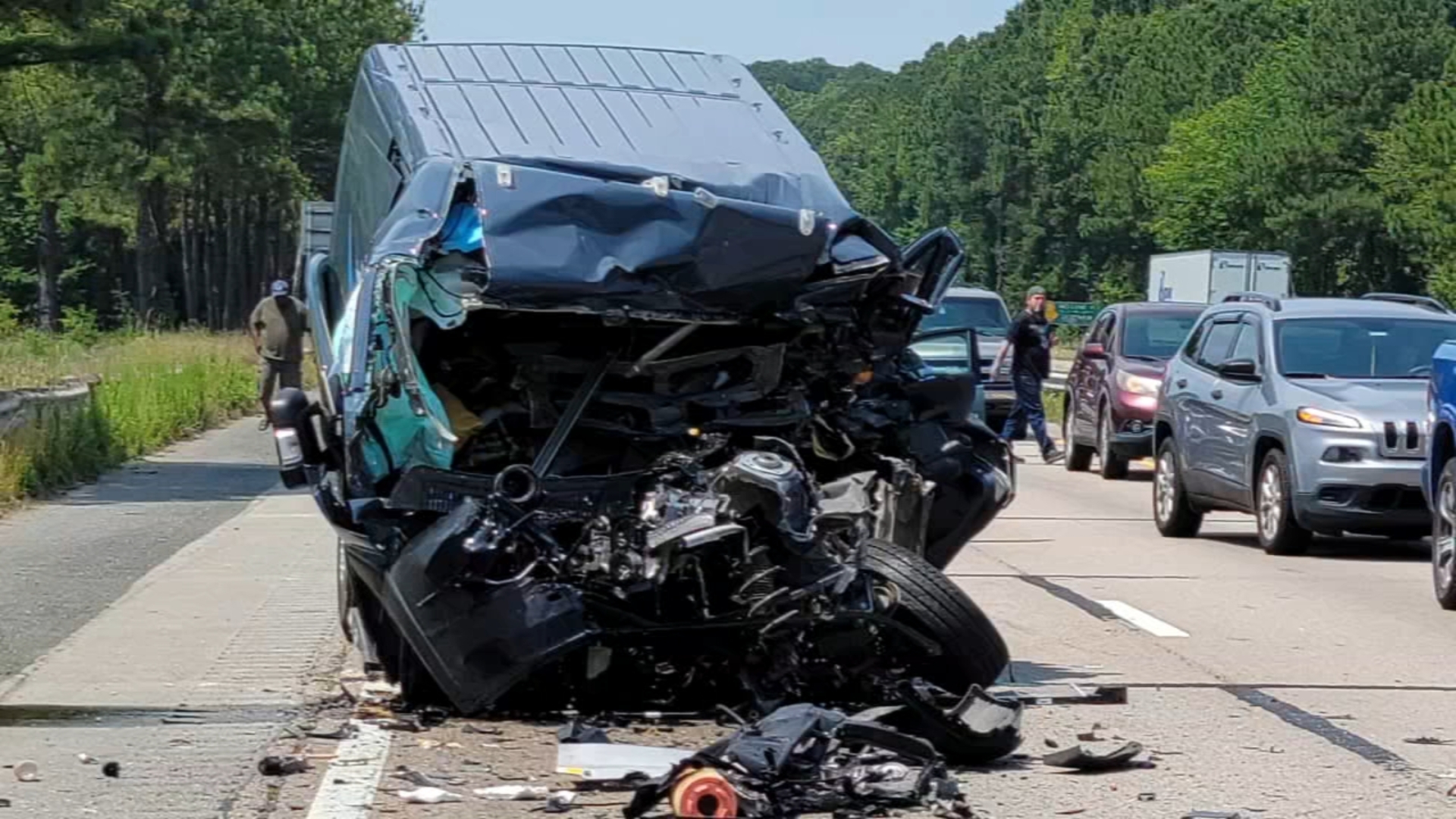
How a Georgia Amazon Truck Accident Attorney Investigates Delivery Vehicle Claims
A strong Amazon delivery crash claim starts with one question. What really happened before the impact? The answer may sit in places you cannot access on your own, including delivery route records, driver logs, vehicle files, insurance documents, and video footage from nearby businesses or homes.
Evans Litigation and Trial Law investigates these claims with the understanding that delivery companies and insurers may move quickly to protect themselves. They may not hand over the full story unless someone forces the issue. A Georgia Amazon truck accident attorney can help preserve the evidence, identify the right parties, and build a claim that does not depend on the insurance company’s version of events.
What Evidence Can Prove Fault After an Amazon Delivery Truck Accident in Georgia
Evidence decides the direction of the claim. Your word matters, but the strongest cases often use photos, video, records, vehicle damage, witness statements, and timing data to show how the crash happened. Those details can make the difference when the driver claims you came out of nowhere or the insurance company says your injuries do not match the crash.
Amazon delivery crashes can leave behind a useful evidence trail. The problem is that some of that evidence can disappear fast. Evans Litigation and Trial Law can look for the records and footage that help connect the delivery driver’s choices to your injuries.
A careful investigation also helps identify every party that may owe compensation. The driver may have caused the crash, but the contractor, vehicle owner, maintenance company, or insurer may also matter. That is why a delivery vehicle claim needs more than a quick review of the police report.
Delivery Route Data Can Show Where the Driver Was Working
Delivery route data can help show whether the driver was actively delivering packages when the crash occurred. This matters because the claim may involve different insurance coverage depending on whether the driver was working, waiting for an assignment, traveling between stops, or off duty. The timing can change the entire shape of the case.
Route data may show the driver’s assigned stops, location history, delivery timing, and movement before the collision. If the crash happened while the driver was trying to complete a route, those records may support the argument that the driver acted within the delivery operation. Evans Litigation and Trial Law can review whether the route evidence connects the crash to Amazon package delivery work.
This evidence can also expose rushed or unsafe driving patterns. A driver who made repeated quick stops, sharp turns, or late deliveries may have worked under pressure. That does not excuse unsafe driving, but it can help explain why the crash happened.
Delivery Timing Can Help Show Pressure on the Driver
Delivery timing can tell a story that the driver may not volunteer. If the records show tight stops, repeated delays, or an unusually packed route, they may support a deeper review of how the delivery work operated that day. Delivery pressure does not replace driver fault, but it can reveal who helped create the risk.
An Amazon delivery driver may feel pressure to move fast through neighborhoods, apartment complexes, and crowded business areas. That pressure can lead to rolling stops, unsafe backing, sudden turns, or poor scanning before pulling into traffic. Evans Litigation and Trial Law can look at whether the route demands played a role in the crash.
Timing records can also test the driver’s statement. If the driver says they were not rushing, route data may show otherwise. That kind of contradiction can help push back against an insurance company that wants to treat the crash like a simple mistake.
Location Records Can Connect the Vehicle to the Crash Scene
Location records may help prove that the delivery vehicle was at the crash scene when the collision occurred. This can matter when the vehicle leaves before police arrive or when the responsible company denies involvement. A delivery route can create a digital trail that supports what witnesses saw.
These records may also help identify the driver, vehicle, or contractor linked to the route. In some cases, the injured person only remembers an Amazon logo, a van color, or a partial license plate. Evans Litigation and Trial Law can use available details to track down the right records.
Location evidence can also help confirm traffic conditions and delivery activity. If the driver stopped near a house, apartment, business, or loading area right before the crash, that detail may support the timeline. A strong timeline makes it harder for the insurer to rewrite the facts later.
Driver Phone Records Can Help Prove Distracted Driving
Distracted driving is a serious issue in delivery vehicle claims. A driver may use a phone, delivery app, GPS, scanner, or messaging system while moving through traffic. One glance at a screen can cause a driver to miss a stop sign, drift into another lane, or fail to see a pedestrian.
Phone records can help show whether the driver used a device around the time of the crash. They may also help confirm whether the driver made calls, sent texts, used data, or interacted with an app. Evans Litigation and Trial Law can look for this evidence when distracted driving appears to be a factor.
A driver does not need to admit distraction for the claim to raise the issue. Vehicle movement, witness statements, delayed braking, no skid marks, and crash angles can all point toward inattention. Phone records can add hard support to what the physical evidence suggests.
Delivery Apps Can Pull Attention Away From Georgia Roads
Delivery apps can create constant demands on a driver’s attention. The driver may need to follow directions, confirm stops, scan packages, check messages, or adjust the route. When those tasks happen while the vehicle is moving, the risk rises fast.
Georgia roads already demand attention. A driver moving through Atlanta traffic, a Savannah neighborhood, a Macon apartment complex, or a rural route outside Augusta cannot safely split focus between a screen and the road. Evans Litigation and Trial Law can investigate whether the app use contributed to the crash.
The insurance company may try to frame the driver’s app use as a normal work activity. Normal does not mean safe. If the driver looked down at the wrong moment, that split second may explain the collision.
GPS Use Can Support a Distracted Driving Theory
GPS use can become dangerous when a driver relies on it too heavily. A driver who realizes they are about to miss a stop may brake suddenly, cut across traffic, make a sharp turn, or back up without checking. Those choices can create serious crashes.
GPS records and route behavior may help explain confusing or sudden maneuvers. If the crash happened near a driveway, apartment entrance, delivery stop, or unfamiliar side street, the driver may have reacted late to directions. Evans Litigation and Trial Law can review whether the driver’s route and movement match a distracted driving pattern.
GPS evidence can also support witness accounts. A witness may say the driver looked down right before impact. Route and device records may help confirm that the driver had a reason to look at the screen at that exact time.
Crash Reports and Witness Statements Can Support Your Claim
A crash report can give your claim a starting point. It may identify the drivers, vehicles, insurance information, location, citations, visible damage, and statements made at the scene. That report can help Evans Litigation and Trial Law understand the first official version of the crash.
Witness statements can add details that the report misses. A witness may see the Amazon driver run a stop sign, back into traffic, speed through a parking lot, or drift across the center line. These statements can become especially useful when the driver denies fault.
You should write down witness names and contact information when you can do so safely. If you could not gather that information at the scene, a lawyer may still find witnesses through nearby businesses, homes, traffic cameras, or police records. Good witness testimony can stop an insurance company from pretending the facts are unclear.
Nearby Business Cameras May Capture the Amazon Delivery Crash
Nearby video can be one of the most useful pieces of evidence in a delivery truck crash. Gas stations, grocery stores, apartment complexes, warehouses, restaurants, and retail stores may have cameras facing the road, parking lot, driveway, or loading area. That footage may show the crash clearly or fill in the seconds before impact.
The danger is that many businesses delete footage quickly. Some systems overwrite video within days. Evans Litigation and Trial Law can act quickly to request and preserve footage before it disappears.
Video can help prove speed, lane position, braking, traffic light color, backing movement, or failure to yield. It can also show whether the Amazon vehicle stopped after the crash or left the scene. When video exists, it can cut through the fog and show what really happened.
Vehicle Damage Photos Can Help Explain the Force of Impact
Photos of vehicle damage can help explain how the crash occurred and how hard the impact was. The location of dents, broken glass, bumper damage, tire marks, and scraped paint can help support the crash sequence. These details may matter when the insurance company questions your injuries.
Damage photos can also show whether the delivery vehicle hit you from behind, sideswiped you, backed into you, or turned across your path. That can help Evans Litigation and Trial Law compare the physical evidence against the driver’s statement. If the story does not match the damage, the claim needs a deeper look.
You should save every photo you took after the crash. Keep pictures of both vehicles, the road, traffic signs, skid marks, debris, injuries, and anything that shows delivery activity. Even imperfect photos can help rebuild the scene.
How an Amazon Delivery Accident Lawyer in Georgia Reviews Driver Conduct
Driver conduct sits at the center of many Amazon delivery accident claims. The driver may have been speeding, distracted, tired, poorly trained, or rushing to finish a route. The investigation should examine what the driver did before the crash, not just what the driver said afterward.
Evans Litigation and Trial Law can review the driver’s actions through physical evidence, records, statements, and common delivery patterns. A driver who handles package deliveries must make constant decisions around pedestrians, parked vehicles, intersections, driveways, and heavy traffic. One careless decision can leave someone with months of medical treatment.
The driver’s conduct can also point toward larger company failures. If the driver lacked training, drove an unsafe vehicle, or worked under unreasonable route pressure, the case may involve more than one negligent party. That is why a lawyer should review both the crash and the system behind the delivery route.
Unsafe Turns and Sudden Stops Can Cause Serious Delivery Vehicle Crashes
Delivery drivers make frequent stops and turns. They may pull into driveways, stop near mailboxes, enter apartment complexes, or turn around on narrow streets. When they make those movements without checking traffic, they can cause severe crashes.
Unsafe turns can injure drivers, passengers, pedestrians, cyclists, and motorcycle riders. A delivery vehicle that turns across oncoming traffic can leave the injured person with little time to react. Evans Litigation and Trial Law can review lane position, signal use, crash angle, and witness statements to determine whether the turn violated basic safety rules.
Sudden stops can also cause harm, especially when the driver stops in an active lane or blocks traffic without warning. Delivery work does not give drivers permission to create hazards. A lawyer can examine whether the driver chose a dangerous stopping point.
Left Turn Delivery Crashes Can Create Serious Fault Disputes
Left-turn crashes often lead to finger-pointing. The delivery driver may claim the other vehicle was speeding. The injured person may say the Amazon driver turned directly into their path. The truth often depends on vehicle damage, road layout, witness statements, and available video.
A driver making a left turn must pay close attention to oncoming traffic and pedestrians. If the driver rushes to complete a turn before traffic clears, the crash can cause major injuries. Evans Litigation and Trial Law can investigate whether the delivery driver had enough time and space to turn safely.
These crashes can become harder when the insurance company claims you should have avoided the impact. That argument may ignore the reality of the crash. When a delivery vehicle turns suddenly, you may have only a second or two to react.
Backing Crashes Can Injure Pedestrians and Parked Vehicle Occupants
Backing crashes happen often in delivery work because drivers enter tight spaces all day. Apartment complexes, driveways, parking lots, and commercial loading areas can create blind spots. A driver who backs without checking carefully can hit pedestrians, parked vehicles, cyclists, or people getting in and out of cars.
These crashes may seem low speed, but the injuries can still be serious. A pedestrian can suffer knee injuries, back injuries, head trauma, or broken bones. A person inside a parked car can suffer neck and back injuries from a sudden impact.
Evans Litigation and Trial Law can investigate whether the driver checked mirrors, used a backup camera, sounded a horn, or had a clear path before reversing. A delivery schedule does not excuse careless backing. Drivers must protect the people around them.
Speeding Through Neighborhoods Can Increase Injury Risk
Amazon delivery drivers often travel through residential streets where children, pedestrians, parked cars, and pets may be nearby. Speeding in these areas creates real danger because a driver has less time to stop when someone steps into the road or a vehicle backs out of a driveway. A delivery van does not need highway speed to cause a serious injury.
Speeding can also make crashes worse. Higher impact force can increase the risk of spinal injuries, head trauma, fractures, and internal injuries. Evans Litigation and Trial Law can review damage patterns, witness accounts, video, and scene evidence to determine whether speed played a role.
The driver may deny speeding, but other evidence may tell a different story. Skid marks, the final resting place of the vehicles, the severity of damage, and electronic records can help show how fast the vehicle moved. A careful investigation can challenge a driver’s self-serving account.
Residential Delivery Routes Require Extra Caution
Neighborhood deliveries require patience and control. Drivers must watch for children, people walking dogs, mail carriers, parked vehicles, cyclists, and cars entering or leaving driveways. A rushed driver can miss hazards that a careful driver would see.
Residential streets in Georgia can be narrow, curved, or lined with parked cars. In places like Roswell, Sandy Springs, Athens, and South Fulton, delivery routes can move through dense neighborhoods with limited visibility. Evans Litigation and Trial Law can look at the road layout and surrounding conditions to show why the driver needed to slow down.
Insurance companies may try to call the crash unavoidable. That claim deserves scrutiny. A driver who speeds through a neighborhood creates avoidable risk with every stop.
Apartment Complex Delivery Crashes Can Involve Blind Corners and Pedestrians
Apartment complexes create extra delivery hazards. Drivers may circle buildings, stop near leasing offices, park near mailrooms, and move through lots where pedestrians appear from between parked cars. Blind corners and tight lanes can make safe driving even more important.
An Amazon delivery driver should expect foot traffic in these areas. Residents may walk to their cars, carry groceries, help children, or cross near package lockers. Evans Litigation and Trial Law can investigate whether the driver ignored these predictable risks.
Video and witness statements may be especially important in apartment complex crashes. Leasing offices, gates, parking areas, and nearby buildings may have cameras. Fast evidence preservation can help prove what happened before the footage gets erased.
Distracted Driving During Package Delivery Can Support Negligence Claims
Package delivery work often involves screens, scanners, phones, navigation systems, and constant route decisions. A driver who looks away from the road at the wrong time can cause a collision before anyone has time to react. Distraction turns an ordinary delivery route into a serious injury risk.
Distracted driving can show up in many ways. The driver may fail to brake, drift out of a lane, miss a traffic signal, strike a pedestrian, or pull into traffic without looking. Evans Litigation and Trial Law can compare the crash facts against these patterns to determine whether distraction should become part of the claim.
The driver may not admit to distraction. Few people do. That is why phone records, app data, witness accounts, and crash reconstruction details can matter so much.
Failure To Brake Can Suggest the Driver Was Not Watching the Road
When a driver fails to brake before impact, that can raise questions about attention. A careful driver usually reacts to stopped traffic, pedestrians, traffic signals, and vehicles in front of them. No braking can suggest the driver looked away, followed too closely, or failed to notice the hazard.
This issue can appear in rear-end crashes, pedestrian crashes, and intersection collisions. Vehicle damage, skid marks, event data, and witness statements may help determine whether the driver tried to avoid the crash. Evans Litigation and Trial Law can review those details and look for signs of inattention.
Insurance companies may argue that the crash happened too quickly for the driver to respond. Sometimes that is true. Other times, the evidence shows the driver had enough time but failed to pay attention.
Lane Drifting Can Point to Screen Use or Fatigue
Lane drifting can happen when a driver looks at a phone, checks a delivery app, becomes fatigued, or loses focus. A delivery van that drifts into another lane, shoulder, or bike lane can cause serious harm. These crashes can be especially dangerous for motorcyclists and cyclists.
The driver may blame road conditions or another vehicle. That explanation should be tested against the evidence. Evans Litigation and Trial Law can review lane markings, impact location, vehicle damage, and witness statements to see whether the driver drifted before the crash.
If fatigue or screen use caused the lane drift, the claim may involve more than a simple driving mistake. The investigation may need to examine the driver’s route, schedule, device records, and employer practices. Those details can help show why the crash happened.
How Evans Litigation and Trial Law Uses Commercial Truck Evidence in Georgia Claims
Commercial delivery vehicle claims require a different level of investigation than ordinary car crashes. The records behind the vehicle and driver can tell you who controlled the route, who maintained the van, who hired the driver, and who carried insurance. Those records can also expose safety failures that never appear in the first crash report.
Evans Litigation and Trial Law approaches Amazon delivery accident claims with that bigger picture in mind. The goal is to identify the facts that prove fault, damages, and insurance coverage. That means looking beyond the driver and reviewing the companies connected to the delivery operation.
Commercial truck evidence can also help protect you from blame shifting. When the insurance company tries to make the crash about your conduct, company records may move the focus back where it belongs. A strong paper trail can put pressure on the responsible parties to take the claim seriously.
Maintenance Records Can Reveal Problems With the Delivery Vehicle
Delivery vehicles take a beating. They stop, start, turn, park, back up, and idle throughout long routes. When companies fail to maintain brakes, tires, lights, mirrors, cameras, or steering systems, those failures can contribute to a crash.
Maintenance records can show whether the vehicle had known problems before the collision. They may also show whether a driver complained about an issue that the company ignored. Evans Litigation and Trial Law can review these records to determine whether poor maintenance played a role.
A driver may claim the vehicle worked fine. A maintenance file may tell a different story. That is why these records can matter in serious Amazon delivery truck accident claims.
Brake Problems Can Make Delivery Crashes More Severe
Brake problems can turn a preventable situation into a collision. A delivery driver may need to stop quickly near pedestrians, traffic lights, driveways, or stopped vehicles. If the brakes do not work properly, the impact can become much worse.
Brake maintenance records can show whether the vehicle received proper inspections and repairs. If records show repeated complaints, delayed repairs, or missed service, that can support the injury claim. Evans Litigation and Trial Law can investigate whether the vehicle should have been taken out of service before the crash.
Insurance companies may focus only on the driver’s behavior. Brake issues can shift part of the investigation toward the company responsible for the vehicle. That can matter when injuries are severe and multiple coverage sources need review.
Tire and Lighting Problems Can Support a Negligent Maintenance Claim
Tires and lights matter on every delivery route. Worn tires can reduce control, especially in rain or sudden braking situations. Broken lights can make it harder for other drivers and pedestrians to see the vehicle’s movements.
Delivery vehicles often operate early, late, and during bad weather. Poor lighting, bald tires, or ignored warning signs can increase the chance of a crash. Evans Litigation and Trial Law can review inspection reports, repair records, and photos to determine whether the vehicle had unsafe conditions.
These issues may seem small until they cause harm. A missing brake light can affect reaction time. A worn tire can affect stopping distance. A careful investigation treats those details seriously.
Hiring Records Can Show Whether the Driver Was Qualified
A delivery company should not put unsafe drivers on Georgia roads. Hiring records can show whether the company reviewed the driver’s background, driving history, training, and qualifications. If the company skipped basic safety checks, the claim may involve negligent hiring.
Driver files may include applications, background checks, training records, disciplinary history, prior incidents, and safety reviews. Evans Litigation and Trial Law can look for warning signs that existed before the crash. A company that ignored those signs may share responsibility.
The driver’s qualification matters because package delivery requires more than knowing how to drive. Drivers must handle tight routes, frequent stops, backing maneuvers, pedestrians, and heavy traffic. A poorly screened or poorly trained driver can create danger throughout the route.
Prior Driving Problems Can Matter in a Georgia Delivery Crash Claim
Prior driving problems may reveal that the company should have known the driver posed a risk. Tickets, crashes, complaints, or safety violations can all matter depending on the facts. The question is whether the company ignored signs that a careful employer would have addressed.
Insurance companies may try to isolate the crash from the driver’s history. Evans Litigation and Trial Law can investigate whether that history should become part of the claim. If the driver had known safety issues, the company’s hiring or supervision decisions deserve scrutiny.
This evidence can also help explain why the crash happened. A driver with repeated speeding, distraction, or reckless driving issues may have brought those habits into the delivery route. That can strengthen the argument that the crash was preventable.
Poor Training Can Create Predictable Delivery Route Hazards
Training matters because delivery drivers face repeated high-risk situations. They back up near pedestrians, park near traffic, make frequent turns, and follow route instructions through unfamiliar areas. Without proper training, those routine tasks can become dangerous.
Training records can show whether the company taught safe backing, scanning, pedestrian awareness, route planning, and crash reporting. If the records are thin or missing, that raises questions. Evans Litigation and Trial Law can review whether the driver received enough safety instruction before taking the route.
Poor training can also show up in the crash facts. A driver who backs without checking, stops in a travel lane, or rushes through a residential area may not have learned or followed safe delivery practices. A lawyer can connect those facts to the company’s responsibility.
Insurance Documents Can Identify Available Coverage
Insurance coverage can become one of the most important issues in an Amazon delivery crash claim. Different policies may apply depending on the driver’s status, employer, contractor relationship, vehicle ownership, and delivery activity. The wrong assumption can leave compensation sources unexplored.
Evans Litigation and Trial Law can review insurance documents and identify who may owe coverage. This may include the driver’s policy, a contractor policy, commercial vehicle coverage, or other business insurance tied to the delivery operation. A serious injury claim needs a complete insurance review.
Insurance companies may not volunteer every available policy. They may also argue that one policy does not apply because of the driver’s work status. A lawyer can challenge those positions and demand the documents needed to evaluate coverage.
Commercial Policies May Apply When the Driver Was Working
Commercial insurance may apply when the driver caused the crash while performing delivery work. That can matter because serious injuries often exceed what a basic personal policy can handle. The claim needs to identify whether the driver was on route, making deliveries, or acting within the delivery business.
Work status can become disputed. The driver may say they were between tasks or not actively delivering. Evans Litigation and Trial Law can compare route data, package records, location evidence, and driver statements to test that claim.
If commercial coverage applies, it can affect the value and strategy of the case. The insurance company may fight harder because more money may be at stake. That is exactly why the coverage investigation needs to begin early.
Multiple Insurance Carriers May Try To Avoid Responsibility
When several companies are involved in a delivery crash, each insurer may try to push responsibility somewhere else. One carrier may blame the driver. Another may blame the contractor. Another may deny that the delivery work triggered coverage.
This can leave injured people confused and frustrated. You may have medical bills now, but the insurance companies may spend months arguing about who pays. Evans Litigation and Trial Law can pressure the right parties and keep the claim moving.
Multiple carriers do not mean you should accept confusion as normal. It means the claim needs structure, evidence, and persistence. A Georgia Amazon delivery truck accident lawyer can help sort through the noise and pursue the coverage that applies.
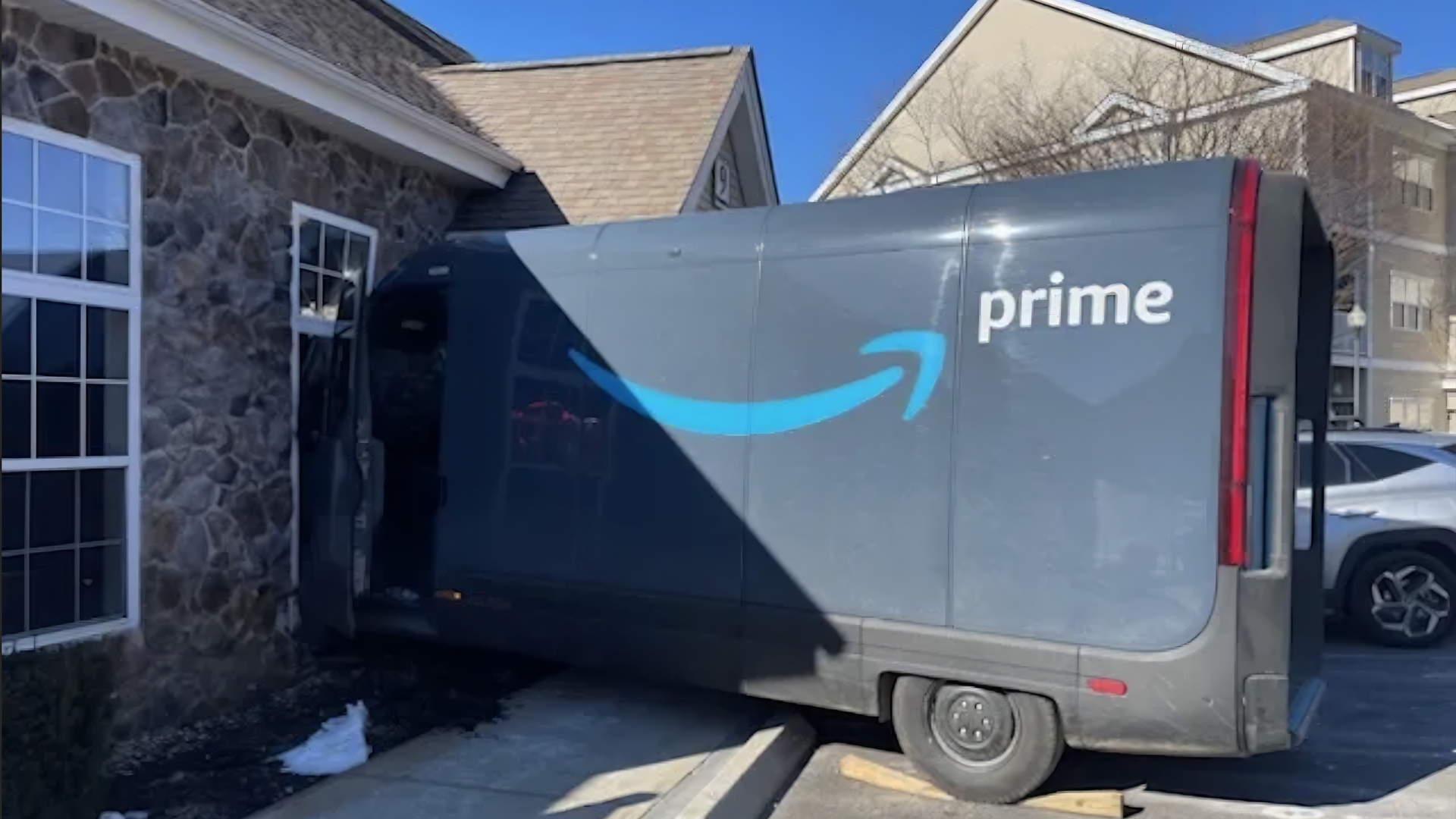
What Questions Do People Ask Amazon Truck Accident Lawyers in Georgia
People hurt in Amazon delivery crashes usually have urgent questions. They want to know who pays, who investigates, whether Amazon can be held responsible, and what they should say when an insurance adjuster calls. Those are fair questions because these claims can feel tangled from the first day.
Evans Litigation and Trial Law helps injured people across Georgia understand what comes next after an Amazon truck, van, or package delivery vehicle crash. The answers below give you a starting point, but your next step should be a case review based on the actual crash facts, insurance coverage, medical treatment, and available evidence.
Can I Sue Amazon After a Delivery Truck Accident in Georgia?
You may be able to bring a claim after an Amazon delivery truck accident, but the right target depends on the facts. The driver may work for a delivery service partner, a contractor, or another company connected to Amazon package delivery. That company structure can affect who belongs in the claim.
You should not assume Amazon has no connection just because an insurer or contractor says so. A lawyer needs to review the route, delivery status, driver relationship, vehicle ownership, insurance coverage, and company control. Evans Litigation and Trial Law can investigate those details before the other side narrows the claim for its own benefit.
The most important facts usually include whether the driver delivered Amazon packages at the time of the crash, whether the vehicle displayed Amazon branding, and whether a delivery service partner supervised the driver. Delivery app data, route information, vehicle records, and insurance documents may also help show who should answer for the crash.
What If an Amazon Contractor Driver Hit Me in Georgia?
A contractor driver can still create a valid injury claim. Many delivery crashes involve drivers who do not work directly for the company whose packages they deliver. That does not mean you lose your right to pursue compensation.
The real question is who controlled the work and who contributed to the crash. A contractor may have hired the driver, assigned the vehicle, handled training, scheduled the route, or carried commercial insurance. Evans Litigation and Trial Law can examine whether the contractor, driver, vehicle owner, or another party should be held responsible.
Contractor driver cases often require a closer look at work status, route assignments, training records, vehicle ownership, and insurance coverage. If the company gave an unsafe driver a route, ignored prior driving problems, or failed to maintain the delivery vehicle, the claim may reach beyond the driver.
Do Amazon Delivery Drivers Have Commercial Insurance in Georgia?
Some Amazon delivery accident claims may involve commercial insurance, but coverage depends on the driver, vehicle, company structure, and delivery status. An insurance company may not volunteer every policy that applies. You need someone to ask the right questions and demand the right documents.
Commercial coverage can matter because serious injuries often cost far more than a basic car insurance claim can cover. Medical bills, lost income, long term pain, and future treatment can add up quickly. Evans Litigation and Trial Law can review whether the crash involved a commercial delivery operation and what coverage may be available.
Coverage may depend on whether the driver was actively delivering packages, whether the crash happened during an assigned route, and whether the vehicle belonged to a fleet or contractor. A lawyer can also review whether a personal policy excludes delivery work and whether a business policy should cover the crash.
How Long Do I Have To File an Amazon Truck Accident Claim in Georgia?
In many Georgia personal injury cases, you have two years from the date of injury to file a lawsuit. That deadline can come faster than people expect, especially when you are dealing with medical care, insurance calls, vehicle damage, and missed work. Waiting can also make evidence harder to find.
You should not wait until the deadline gets close before calling a lawyer. Delivery route data, video footage, witness memories, vehicle records, and company documents can disappear early. Evans Litigation and Trial Law can move quickly to protect the evidence and keep your claim from falling behind.
You should act quickly if you need any of the following.
- Nearby surveillance video from a business or home
- Delivery route records
- Driver phone or app activity
- Witness statements
- Vehicle inspection or maintenance records
- Insurance coverage documents
- Medical records that connect your injuries to the crash
What If the Amazon Driver Denies Fault After the Crash?
A denial does not end your claim. Drivers deny fault for many reasons. They may fear job consequences, insurance problems, or personal responsibility. The claim should depend on evidence, not the driver’s preferred version of events.
Evans Litigation and Trial Law can compare the driver’s statement against the crash scene, photos, vehicle damage, witness accounts, medical records, and available video. If the driver’s story does not match the evidence, your lawyer can challenge it. The goal is to build the claim around facts that can be proven.
A denial can fall apart when the evidence shows vehicle damage, skid marks, debris patterns, camera footage, or witness statements that support your version of events. Delivery vehicle location data and phone records may also help show what the driver was doing before the crash.
Should I Talk to the Insurance Company After an Amazon Delivery Truck Accident?
You should be careful before speaking with any insurance company after an Amazon delivery truck accident. The adjuster may sound polite, but their job is to protect the insurer. A recorded statement can create problems if you answer questions before you know the full facts.
You can report basic information if needed, but you should avoid guessing, accepting blame, downplaying injuries, or agreeing to a quick settlement. Evans Litigation and Trial Law can deal with the insurance company for you and help prevent the adjuster from using your words against your claim.
Before you speak with an adjuster, do not guess about speed, distance, or timing. Do not say you feel fine if you have pain or have not seen a doctor. Do not agree to a recorded statement or sign a release before your injuries and evidence have been reviewed.
How Much Is an Amazon Truck Accident Claim Worth in Georgia?
The value of an Amazon truck accident claim depends on your injuries, medical treatment, lost income, pain, long term recovery, fault evidence, and available insurance coverage. No honest lawyer can give you a reliable number without reviewing the facts. A rushed estimate can set the wrong expectation.
Evans Litigation and Trial Law can evaluate the damages tied to your crash and review how the injuries affect your daily life. The claim should account for more than the first hospital bill. It should consider what the crash has already cost you and what it may continue to cost.
Your claim value may involve several categories.
- Emergency medical care
- Follow-up treatment
- Physical therapy
- Future medical needs
- Lost wages
- Reduced earning ability
- Pain and suffering
- Vehicle damage
- Out-of-pocket costs
- Wrongful death damages when a crash is fatal
What Should I Bring to an Amazon Truck Accident Lawyer in Georgia?
Bring anything that helps explain what happened, who was involved, and how the crash affected you. Do not worry if you do not have every document. A lawyer can help gather missing records, but the information you already have can help start the investigation.
Evans Litigation and Trial Law can review your documents, identify missing evidence, and explain what should happen next. Even small details can matter in Amazon delivery crash claims because the company’s structure and insurance coverage can be disputed.
Helpful items include the police report, crash photos, medical records, insurance letters, adjuster contact information, the delivery vehicle license plate, the driver’s name, company information, witness names, and any video from a dash camera, doorbell camera, or nearby business. Package tracking details may also matter if they help connect the driver to an active delivery route.
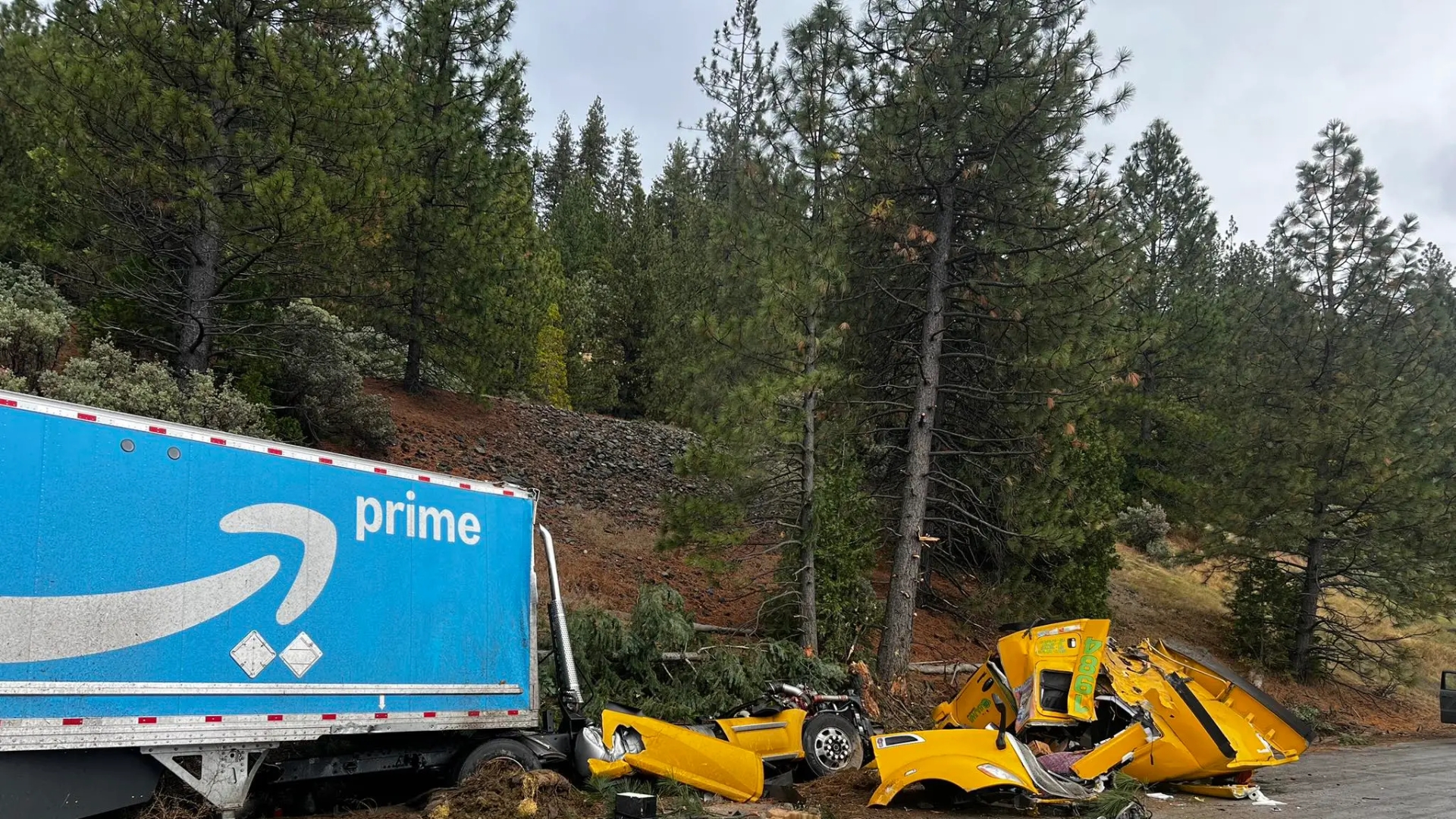
Call Amazon Truck Accident Lawyers in Georgia After a Serious Delivery Crash
If an Amazon delivery truck, van, or package delivery driver injured you, do not let the insurance company decide what your claim is worth before the facts are fully investigated. These crashes can involve contractor drivers, delivery service partners, commercial insurance policies, route records, vehicle maintenance issues, and disputed fault. Evans Litigation and Trial Law can step in, review what happened, and start protecting the evidence that may support your claim.
You may be dealing with medical bills, missed work, pain, vehicle damage, and a long list of questions no one has clearly answered yet. That is exactly when you need a legal team that knows how to handle serious commercial delivery vehicle claims in Georgia. Evans Litigation and Trial Law can investigate the driver, the delivery operation, the insurance coverage, and the companies connected to the crash.
The sooner you get legal help, the better chance you have to protect important evidence. The video can get deleted. Witnesses can become harder to reach. Delivery records can become harder to obtain. Insurance companies can also start building arguments against you before you even know the full value of your injuries.
If you are searching for Amazon Truck Accident Lawyers in Georgia, Evans Litigation and Trial Law is ready to help you understand your rights and your next steps. Call (678) 613-2797 today for a free consultation, or contact Evans Litigation and Trial Law through our contact page to get help after an Amazon delivery truck accident in Georgia.
Practice Areas
Trust Us With Your Personal Injury Claim
If you or a loved one have been injured, Goldberg & Loren will fight for you every step of the way. We will give our all to secure the compensation you rightfully deserve.
Contact usfor a free consultation.
Phone: (304) 449-5157