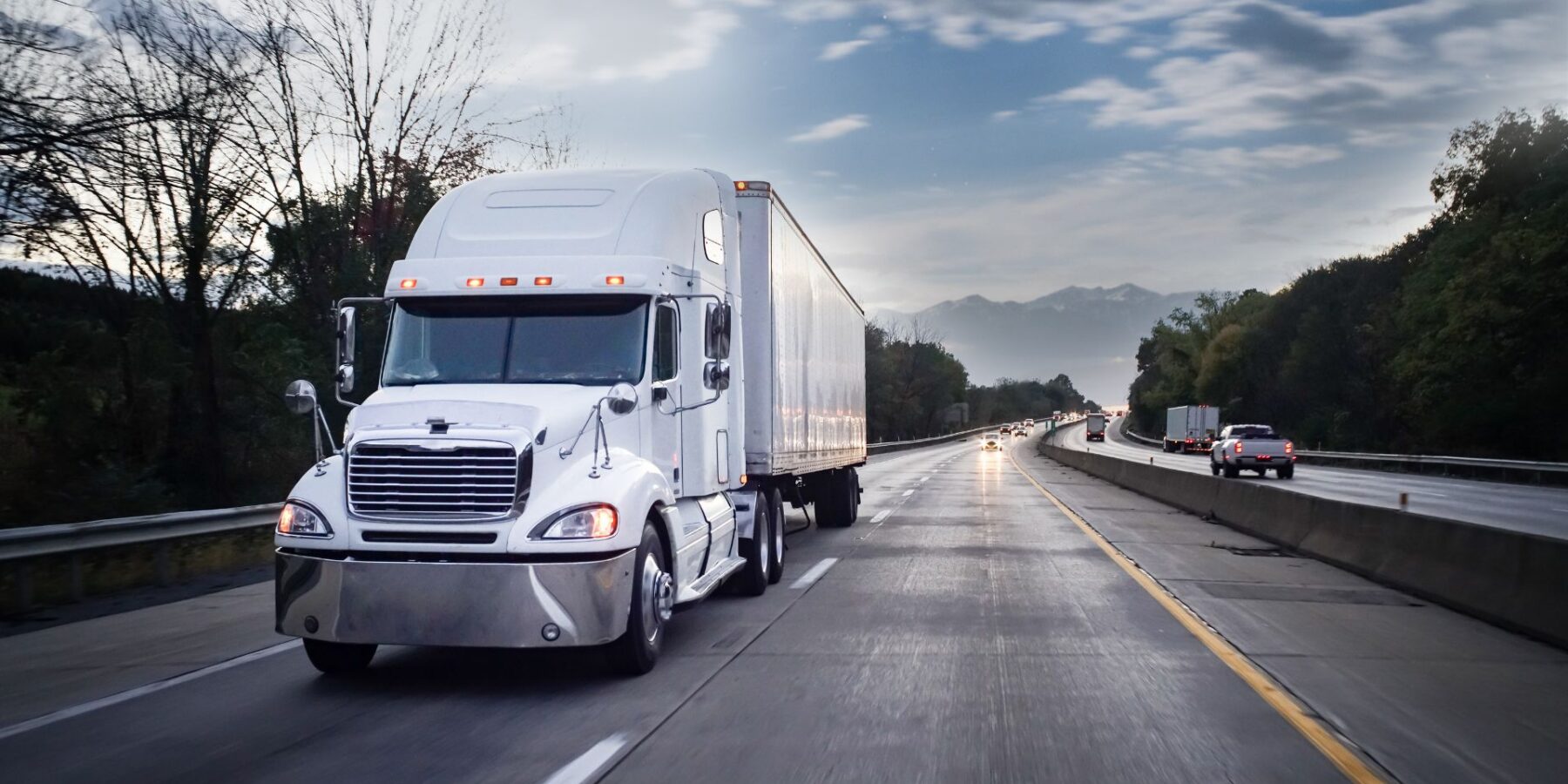
18-wheeler accident attorneys in Savannah
Savannah sits at the center of Georgia’s freight movement, and that makes serious truck crashes in Savannah a daily risk on roads near I-16, I-95, Garden City Terminal, Pooler, and the Talmadge Bridge. The National Highway Traffic Safety Administration reports that police-reported traffic crashes caused 40,901 deaths and about 2.44 million injuries nationwide in 2023, based on data published in 2025. That danger becomes even more severe when a fully loaded tractor-trailer hits a smaller vehicle. People searching for 18-wheeler accident attorneys in Savannah often need help fast, since trucking companies and insurers can start protecting their side within hours.
Evans Litigation and Trial Law helps injured people pursue claims after commercial truck crashes across Georgia. 18-wheeler accident attorneys in Savannah, Alfred Evans and team, review the truck driver’s actions, the trucking company’s safety practices, the vehicle’s maintenance history, and the evidence that may prove fault. Savannah truck accident cases often involve port traffic, tight delivery windows, multiple insurance policies, and corporate defendants with legal teams ready to shift blame. A standard car accident claim rarely involves that many moving parts.
After an 18-wheeler crash in Georgia, you should not rely on the insurance company to explain the value of your claim. Serious injuries can affect your work, your medical care, your family income, and your future needs. Our team builds truck accident claims around evidence, not pressure from an adjuster. Call (678) 613-2797 to speak with Evans Litigation and Trial Law about your Savannah 18-wheeler accident claim.
Why Hiring 18-wheeler Accident Attorneys in Savannah Early Can Protect Evidence
The first days after a commercial truck crash often determine what evidence survives and what disappears. 18-wheeler accident attorneys in Savannah, Evans Litigation and Trial Law, move quickly because trucking companies usually act fast after collisions involving serious injuries surrounding the Port of Savannah. In many cases, the trucking carrier sends investigators to the crash scene before injured drivers even leave the hospital. These investigators photograph the truck, review company records, and begin building defenses tied to liability and damages.
People injured in Savannah semi-truck crashes rarely realize how much information exists behind a commercial vehicle. A tractor-trailer may contain electronic driving data, dispatch communications, GPS movement records, inspection reports, maintenance histories, and cargo records connected to the trip. Some records remain available for only a short period. Others stay entirely under the trucking company’s control.
Early legal action can help protect evidence that may later become difficult to recover. Important records and information in Savannah truck accident cases often include:
- Black box data showing speed, braking activity, steering movement, and throttle use before impact
- Electronic logging device records that may reveal driver fatigue or hours-of-service violations
- Dispatch messages connected to delivery deadlines, route timing, and scheduling pressure
- GPS tracking information showing the truck’s location, route history, and driving patterns
- Truck maintenance records involving brakes, tires, trailer inspections, and repair history
- Cargo loading documents tied to shipping containers, freight balance, and trailer weight
- Driver qualification files containing training records, prior violations, and driving history
- Surveillance footage from businesses near I-16, I-95, Pooler, Garden City, and Savannah freight corridors
- Witness statements from nearby drivers, port workers, warehouse employees, and construction crews
- Crash scene photos showing skid marks, debris patterns, lane positions, and roadway conditions
- Cell phone records that may help determine whether distraction contributed to the collision
- Drug and alcohol testing records connected to federal trucking regulations
- Insurance communications created shortly after the crash
- Emergency medical records documenting injuries immediately after impact
Waiting too long after a Savannah 18-wheeler crash can allow valuable evidence to disappear. Surveillance systems may overwrite footage, damaged trucks may undergo repairs, and witnesses may become harder to locate. Early investigation helps preserve the details that can explain how the crash happened and whether the trucking company ignored safety responsibilities before the collision.
Savannah, Georgia, Truck Accident Evidence Often Changes Within Days
Truck accident evidence can disappear fast after a Savannah 18-wheeler crash. A damaged truck may move to a repair yard, onboard data may change, and nearby camera footage may overwrite within days. That matters on freight routes near Chatham Parkway, Dean Forest Road, I-95, and port access roads.
A crash report usually does not include black box data, driver logs, dispatch messages, repair records, or cargo documents. Evans Litigation and Trial Law looks for those records early because they can show whether the truck driver, trucking company, or another business caused the crash.
Black Box Systems May Reveal Unsafe Driving Before Impact
Most modern commercial trucks contain electronic control modules that record vehicle activity before and during a crash. This information may include speed, braking patterns, throttle use, steering movement, cruise control status, and sudden deceleration. In a Savannah tractor-trailer collision, that data may help explain whether the driver attempted to stop before impact or continued forward at full speed.
Truck drivers hauling shipping containers from the Port of Savannah often travel through congested merging areas where sudden slowdowns happen regularly. Black box data may reveal whether the driver reacted late, ignored slowing traffic, or drove too fast for roadway conditions. These details become especially important in rear-end collisions involving stopped traffic on I-16 approaching downtown Savannah.
Electronic Data Can Disappear During Truck Repairs
Commercial carriers often move damaged trucks from the crash scene within hours. The truck may then undergo inspection, towing, repair work, or salvage processing before injured victims obtain access to the vehicle. Electronic data systems can change during these steps.
A trucking company may claim the truck needed immediate operational review or repairs after the collision. Meanwhile, valuable driving data may become harder to recover. Early preservation efforts help protect this information before the vehicle returns to service or enters long-term storage.
Driver Logbooks Can Expose Scheduling Pressure
Electronic logging devices track how long truck drivers stay behind the wheel. These records may reveal whether the driver violated federal hours-of-service rules before the crash occurred. Long shifts, overnight routes, and missed rest breaks remain common issues in commercial trucking litigation.
Savannah freight traffic creates additional pressure for drivers carrying cargo between shipping terminals and distribution centers across Georgia. Some truck drivers spend hours waiting at loading facilities before continuing toward Atlanta, Macon, Jacksonville, or other destinations. That lost time can create pressure to drive longer hours later in the route.
Dispatch Messages May Show Unsafe Delivery Demands
Dispatch communications sometimes reveal how a trucking company handled scheduling before the crash. Text messages, electronic dispatch systems, route instructions, and delivery deadlines may help explain why a driver rushed through traffic or continued driving while fatigued.
In some Savannah truck accident cases, dispatch records show repeated pressure involving late deliveries or unrealistic timing expectations. These communications may support claims involving negligent supervision or unsafe company practices.
Surveillance Footage Near Savannah Freight Corridors Can Disappear Quickly
Commercial truck accidents near Savannah often occur around industrial properties, shipping yards, fuel stations, warehouses, and heavily traveled intersections. Many of these businesses use private surveillance systems that automatically overwrite footage after several days.
Video evidence may capture lane changes, brake lights, traffic flow, or the exact moment of impact. This footage can help challenge inaccurate driver statements or insurance company defenses. Yet waiting too long may result in permanent loss of those recordings.
Port Area Cameras May Capture Commercial Truck Movement
The Port of Savannah creates steady truck movement through roads near Garden City Terminal and Ocean Terminal. Commercial facilities throughout these areas often maintain extensive camera systems for cargo security and operational monitoring.
A crash involving a container truck near these routes may appear on nearby warehouse or terminal cameras. These recordings may help establish speed, lane position, traffic congestion, or driver reaction before impact. Early investigation improves the chances of locating and preserving this footage.
Nearby Businesses May Hold Valuable Crash Footage
Gas stations, convenience stores, hotels, and industrial facilities along Savannah trucking routes may hold relevant recordings after a collision. A truck crash near Pooler Parkway or Highway 21 may appear on several private surveillance systems at once.
Property owners rarely preserve footage automatically after a wreck. Many systems delete recordings quickly to free storage space. Early attorney involvement allows faster identification of these businesses before the footage disappears permanently.
Traffic Patterns Near Savannah Highways Can Affect Liability
Traffic congestion around Savannah highways changes throughout the day. Morning freight traffic near shipping terminals differs from late-night container hauling activity along Interstate 95. Roadway conditions near Savannah also shift during tourism events, severe weather, and construction projects.
Crash scene investigation often includes examining these traffic patterns carefully. A truck driver may have ignored congestion warnings, failed to reduce speed entering backed-up traffic, or attempted unsafe lane changes near crowded freight exits.
Construction Zones Increase Commercial Truck Risks
Savannah road projects frequently affect freight traffic patterns near major highways and industrial areas. Narrow lanes, reduced shoulders, and lane closures can increase the danger of commercial truck collisions.
A tractor-trailer entering a work zone too quickly may struggle to stop safely when traffic slows ahead. Construction-related traffic conditions may become an important part of the liability investigation after a truck crash.
Maintenance Records Often Reveal Long-Term Safety Problems
Commercial trucks require constant inspection and repair due to the weight they carry and the mileage they accumulate. Brake systems, tires, trailer components, steering assemblies, and lighting systems all require routine maintenance under federal safety regulations.
A trucking company may claim the vehicle operated safely before the collision. Maintenance records sometimes tell a different story. Repeated repair delays, failed inspections, or ignored mechanical warnings may help explain why the crash occurred.
Brake System Failures Create Severe Highway Collisions
Brake problems can become catastrophic during heavy traffic slowdowns near Savannah freight corridors. A fully loaded tractor-trailer requires significant stopping distance even under ideal conditions. Faulty brakes can remove the driver’s ability to avoid impact entirely.
Inspection records may reveal worn brake pads, failed air brake systems, or prior citations involving unsafe equipment. These details may support claims against both the trucking company and maintenance providers.
Tire Failures May Point to Neglected Inspections
Commercial truck tires experience intense wear from long-distance freight routes and heavy cargo loads. Tire blowouts can cause loss of steering control, trailer sway, or rollover crashes across multiple traffic lanes.
Maintenance logs may show whether the trucking company inspected tires properly before the route began. Tire condition photographs taken shortly after the collision may become valuable evidence in these cases.
Trailer Inspection Records May Support Cargo Claims
Savannah trucking routes involve substantial cargo movement tied to shipping containers and freight distribution. Improper trailer inspections may contribute to cargo shifts, unstable loads, or trailer detachment accidents.
Cargo-related crashes often involve several companies connected to loading, transportation, and equipment maintenance. Early evidence preservation helps identify who handled the cargo before the collision occurred.
Shipping Records Can Clarify Liability Questions
Bills of lading, shipping manifests, and freight records may reveal who loaded the truck and when the cargo entered transit. These documents may help establish whether overloaded trailers or improperly balanced cargo contributed to the crash.
Savannah container traffic creates unique cargo movement patterns that differ from standard highway freight operations. Investigating these records quickly can help explain why the truck became unstable before impact.
Witness Testimony Becomes Less Reliable Over Time
Witnesses often remember important crash details immediately after a collision. Days later, those memories begin to fade. A nearby driver may initially recall that the truck drifted across lanes near the Savannah River Bridge. Weeks later, that same witness may struggle to remember specific details clearly.
Commercial truck crashes often involve several witnesses spread across multiple vehicles. Some may continue traveling out of state shortly after the collision. Others may change phone numbers or move away before investigators locate them.
Freight Workers May Observe Dangerous Driving Patterns
Savannah freight routes involve constant interaction between truck drivers, warehouse employees, loading crews, and port workers. Some individuals may have observed the truck before the collision happened.
A worker at a shipping terminal may remember the truck driver appearing exhausted, frustrated, or distracted shortly before departure. These observations can add context to electronic records and driver statements.
Nearby Drivers Often Capture Immediate Crash Reactions
Other motorists frequently see how truck drivers react before impact. A nearby driver may notice drifting lanes, delayed braking, or sudden swerving moments before a collision.
These observations become especially important in disputed liability cases. Early investigation helps preserve witness accounts while details remain fresh and accurate.
Early Case Building Limits Insurance Company Control
Commercial trucking insurers often contact injured people very quickly after a crash. Adjusters may ask for recorded statements before victims fully understand their injuries or the long-term impact of the collision.
Truck accident claims involving traumatic brain injuries, spinal trauma, or internal injuries often evolve. Early settlement discussions may ignore future surgeries, rehabilitation costs, or permanent work limitations.
Recorded Statements Can Create Long-Term Problems
An injured person may answer questions differently days after the crash than they would weeks later after medical testing reveals additional injuries. Insurance companies sometimes use these early statements to challenge later claims.
A person suffering a concussion after a Savannah truck crash may not even realize the extent of their symptoms during the first insurance call. Headaches, memory problems, dizziness, and concentration issues may appear later.
Early Medical Documentation Strengthens Injury Claims
Medical records created shortly after the collision often become central evidence in truck accident litigation. Emergency treatment records, imaging studies, trauma evaluations, and physician notes help connect injuries directly to the crash.
Delays in treatment may allow insurers to argue that injuries came from unrelated causes. Fast medical evaluation and early evidence preservation work together to strengthen a Savannah truck accident claim.
Can Savannah Truck Accident Victims Hold Trucking Companies Financially Responsible
Yes, Savannah truck accident victims can often hold trucking companies financially responsible after a serious commercial truck crash. The driver may have made the final mistake behind the wheel, but the company may have created the conditions that allowed the crash to happen. Evans Litigation and Trial Law investigates whether the trucking carrier controlled the driver’s schedule, ignored maintenance issues, failed to review safety records, or pushed delivery demands that placed others at risk on Savannah roads.
These claims matter because 18-wheeler crashes near the Port of Savannah, I-16, I-95, Garden City, and Pooler often involve more than one company. A tractor-trailer may have a separate owner, cargo loader, maintenance contractor, freight broker, and insurance carrier. When injured people contact 18-wheeler accident attorneys in Savannah, they often need help finding every business that had control over the truck, the load, or the driver before the collision.
Several facts may support a direct claim against a trucking company after a Savannah 18-wheeler accident, including:
- Negligent hiring of drivers with dangerous driving histories
- Poor driver training involving Savannah freight routes and highway traffic
- Hours-of-service violations connected to driver fatigue
- Unsafe delivery schedules and dispatch pressure
- Failure to inspect or repair brakes, tires, trailers, or steering systems
- Improper cargo loading involving shipping containers or freight imbalance
- Ignoring prior safety violations or crash history
- Allowing distracted or impaired drivers to remain on the road
- Violations of federal trucking regulations
- Inadequate supervision of commercial truck drivers
Trucking Companies Often Control More Than The Driver
Commercial trucking companies often control the decisions that place drivers on Savannah roads. They may assign freight routes, monitor delivery timing, approve vehicle use, review driver performance, and decide whether a truck stays in service after inspections. These decisions matter because a crash near Chatham Parkway, I-16, or the Garden City freight corridors may reflect company choices made long before impact.
Evans Litigation and Trial Law examines those company decisions when building Savannah 18-wheeler accident claims. If a carrier placed an unsafe driver on the road, ignored warning signs, or pushed unrealistic schedules, the company may share financial responsibility for the crash.
Dispatch Pressure Can Increase Dangerous Driving Decisions
Truck drivers moving freight through Savannah shipping routes often face tight schedules tied to container pickups, warehouse appointments, and long-distance delivery deadlines. Delays at terminals or loading facilities may shorten available driving time later in the route. That pressure can influence speed, rest breaks, and lane-change decisions.
Evans Litigation and Trial Law reviews dispatch records, delivery schedules, GPS data, and driver communications to determine whether company pressure played a role. 18-wheeler accident attorneys in Savannah can use these records to compare the driver’s timeline with what the company expected before the crash.
Delivery Deadlines Can Affect Driver Judgment
A driver carrying freight between Savannah and Atlanta may face strict timing expectations tied to customer contracts or shipping demands. If traffic backs up near I-95 or the Talmadge Bridge, the driver may feel pressure to recover lost time on the road.
The company does not need to put unsafe instructions in writing for scheduling pressure to matter. Unrealistic deadlines, repeated late-delivery warnings, or aggressive dispatch messages can help show how company conduct influenced the crash.
Company Policies May Encourage Unsafe Road Conduct
Some trucking companies operate with strong safety practices, but others allow unsafe patterns to continue. A carrier may ignore speeding complaints, driver fatigue warnings, prior crashes, or repeated inspection failures. Over time, those decisions can place Savannah drivers and passengers at risk.
We review company policies to determine whether the carrier treated safety as a real requirement or a paper formality. This review may include training manuals, safety audits, inspection histories, and internal discipline records.
Repeated Safety Violations Can Strengthen Liability Claims
Repeated violations can show that a trucking company knew about safety problems before the Savannah crash happened. Prior brake violations, hours-of-service issues, unsafe driving reports, or maintenance citations may reveal a pattern of neglect. A single crash report rarely tells the full story. 18-wheeler accident attorneys in Savannah may need company records and federal safety data to show whether the carrier ignored problems before someone got hurt.
Negligent Hiring Can Place Dangerous Drivers On Georgia Roads
Trucking companies must review drivers before allowing them to operate heavy commercial vehicles. A carrier may create serious risk if it hires a driver with a dangerous driving history, poor safety record, prior substance abuse issue, or repeated moving violations. These hiring decisions can matter after a crash on Savannah freight routes.
Evans Litigation and Trial Law looks at whether the company properly screened the driver before assigning the route. If the company skipped background checks or ignored red flags, the hiring decision may become part of the injury claim.
Driver Qualification Files May Reveal Serious Problems
Driver qualification files can include driving histories, medical certification records, prior employment information, training documents, and safety reviews. These files may show whether the carrier knew or should have known that the driver posed a risk.
In a Savannah tractor-trailer crash investigation, missing or incomplete driver files can raise serious questions. Evans Litigation and Trial Law reviews these records to identify gaps that may connect company conduct to the collision.
Prior Violations Can Change The Liability Picture
A driver’s prior record may show speeding, reckless driving, hours violations, or preventable crashes. If the trucking company knew about those issues and still assigned the driver to Savannah freight routes, the company may face direct liability.
That evidence can change the case from a simple driver error claim into a broader corporate safety claim. It helps explain why the crash happened instead of only describing what happened at impact.
Poor Training Can Contribute To Catastrophic Crashes
Operating a loaded tractor-trailer through Savannah requires skill, judgment, and route awareness. Drivers must handle port traffic, bridge approaches, merge points, construction zones, and sudden congestion near industrial corridors. Poor training can leave drivers unprepared for these conditions.
We review whether the company trained the driver on safe following distance, fatigue prevention, cargo handling, and emergency braking. In serious crashes, weak training may help explain why the driver made unsafe decisions.
Savannah Freight Routes Require Careful Preparation
Savannah truck routes can challenge drivers who lack local experience. Heavy container traffic, tourist traffic, tight industrial access roads, and changing highway conditions create added hazards. A driver who handles open highways well may still struggle in port-adjacent traffic.
18-wheeler accident attorneys in Savannah may examine whether the company prepared the driver for those local conditions. That review can help connect training failures to the crash.
Maintenance Failures Can Create Direct Company Liability
Commercial trucks require consistent inspection and repair because they carry heavy loads over long distances. A tractor-trailer hauling freight through Savannah may place heavy strain on brakes, tires, suspension parts, steering systems, and trailer components. When a carrier delays repairs, the truck can become unsafe before it reaches the next stop.
Evans Litigation and Trial Law investigates maintenance records to determine whether the crash involved preventable equipment problems. If the company kept a defective truck in service, injured victims may have a direct claim against the carrier.
Brake Problems Often Lead To Severe Rear End Crashes
Brake defects create extreme danger when a truck approaches slowing traffic on I-16, I-95, or port access roads. A fully loaded truck already needs more distance to stop than a passenger vehicle. Faulty brakes can turn normal congestion into a devastating rear-end collision.
Maintenance records may show prior brake complaints, failed inspections, or repair delays. Evans Litigation and Trial Law reviews those records to determine whether the company ignored known mechanical problems before the crash.
Stopping Distance Matters In Savannah Traffic
Savannah freight traffic can stop suddenly near interchange ramps, bridge approaches, construction zones, and terminal access roads. A truck driver must leave enough room to react safely. Bad brakes reduce that margin and place everyone ahead of the truck at risk.
If brake problems contributed to the crash, the company’s repair history becomes central evidence. That proof can help show why the trucking carrier, not only the driver, should answer for the harm caused.
Tire Failures Can Cause Multi-Vehicle Collisions
Truck tire blowouts can send a tractor-trailer across multiple lanes or trigger rollover conditions. These crashes can become especially dangerous near heavy traffic corridors around Pooler, Garden City, and Savannah interstate exits.
Evans Litigation and Trial Law reviews tire inspection records, replacement schedules, post-crash photos, and maintenance logs. Worn tires, mismatched tires, or ignored tread issues may support claims against the trucking company. 18-wheeler accident attorneys in Savannah can use inspection gaps to show that the collision was preventable. That evidence helps connect company conduct to the victim’s injuries.
Cargo Companies And Freight Contractors May Share Responsibility
Savannah truck accident claims often involve cargo movement tied to port operations, warehouses, freight brokers, and loading crews. A crash may result from more than driver error when the cargo shifts, the trailer becomes unstable, or the route schedule creates unsafe pressure. For this reason, Evans Litigation and Trial Law investigates every business connected to the truck’s trip.
Cargo handlers, freight contractors, and trailer owners may share responsibility if their decisions contributed to the wreck. Identifying these parties matters because each company may carry separate insurance coverage.
Improper Cargo Loading Can Trigger Rollovers
A truck carrying uneven cargo weight may become unstable during turns, braking, or sudden lane changes. Container loads moving through Savannah industrial roads create higher risk when weight distribution creates trailer sway.
Evans Litigation and Trial Law reviews shipping records, loading procedures, cargo securement documents, and freight weight information. These records can help show whether improper loading contributed to the crash.
Shipping Records Can Identify Responsible Companies
Bills of lading, freight records, and loading documents can show who handled the cargo before the truck entered Savannah traffic. These records may identify a warehouse, shipper, freight contractor, or loading crew connected to the unsafe condition.
That information helps 18-wheeler accident attorneys in Savannah trace responsibility beyond the driver. It also helps prevent insurers from blaming each other while the injured person waits for answers.
Multiple Companies May Carry Separate Insurance Coverage
Commercial truck accident claims often involve layered insurance policies connected to the truck, trailer, driver, cargo, and carrier. This structure can make the claim more valuable, but it can also make negotiations more complicated.
Evans Litigation and Trial Law investigates every policy that may apply after a Savannah 18-wheeler crash. This work helps determine which companies should contribute to medical costs, lost income, pain, future treatment, and other losses.
Insurance Companies Often Attempt To Shift Blame
Commercial insurers frequently dispute responsibility after major truck crashes. One company may blame the driver, another may blame cargo loading, and another may point to maintenance failures.
These disputes can slow the claim and frustrate injured people who need answers. Evans Litigation and Trial Law works to connect each company’s role to the evidence instead of allowing insurers to control the explanation.
Federal Safety Violations Can Strengthen Claims Against Carriers
Federal trucking rules apply to driver fatigue, inspections, maintenance, drug testing, cargo securement, and driver qualifications. When a trucking company violates those rules, the violation may support a direct claim after a Savannah crash.
Evans Litigation and Trial Law reviews whether the carrier followed safety requirements before the collision. This review can uncover records that explain why the driver, truck, or cargo should never have been on the road in that condition.
Hours Of Service Violations May Reveal Company Pressure
Truck drivers must follow driving limits that reduce fatigue risks. If a driver exceeded those limits, the investigation should ask whether the company knew about the problem or encouraged it through scheduling demands.
Electronic logging data and dispatch records can show whether the carrier allowed unsafe driving hours before the wreck. 18-wheeler accident attorneys in Savannah use those records to connect fatigue evidence to company responsibility.
Fatigue Evidence Can Support A Stronger Claim
Fatigue can affect reaction time, lane control, and decision-making. A tired truck driver may drift, brake late, or miss stopped traffic ahead. Georgia also allows people to report unsafe state vehicle driving behavior through the Georgia Department of Administrative Services. While commercial truck crashes often involve private trucking carriers, reports involving dangerous driving, aggressive lane changes, speeding, or unsafe truck operation can still help document roadway concerns after a Savannah truck accident.
When company records show excessive hours or unrealistic deadlines, the case may move beyond driver carelessness. It may show that the company created or tolerated the risk.
Drug Testing Failures May Affect Company Responsibility
Commercial carriers must maintain drug and alcohol testing procedures for drivers operating large trucks. If a company ignores testing rules or fails to respond to warning signs, it may face liability after a crash.
Evans Litigation and Trial Law reviews testing records, driver history, and post-crash procedures when impairment becomes an issue. A company that overlooks substance-related concerns may share responsibility for the injuries caused in a Savannah truck accident.

Speak With Evans Litigation And Trial Law After A Savannah Truck Accident – Get a Free Case Review
Truck accident cases involving commercial carriers move quickly after a crash. Waiting too long can make it harder to recover black box data, driver logs, surveillance footage, and maintenance records connected to the collision. Evans Litigation and Trial Law handles Savannah truck accident claims involving tractor-trailers, shipping container trucks, commercial freight vehicles, and serious highway crashes across Chatham County and surrounding Georgia freight routes.
Alfred Evans and team investigate how the crash happened, what company decisions contributed to the collision, and whether federal trucking violations played a role. A Savannah 18-wheeler accident claim may involve multiple insurance carriers, commercial transportation companies, cargo operators, and corporate defense teams. These cases require detailed investigation tied to evidence, roadway conditions, trucking records, and long-term injury impact.
If you were injured in a Savannah semi-truck accident or lost a family member in a commercial vehicle crash, call (678) 613-2797 or contact us to speak with Evans Litigation and Trial Law today.
Practice Areas
Trust Us With Your Personal Injury Claim
If you or a loved one have been injured, Goldberg & Loren will fight for you every step of the way. We will give our all to secure the compensation you rightfully deserve.


Contact usfor a free consultation.
Phone: (304) 449-5157