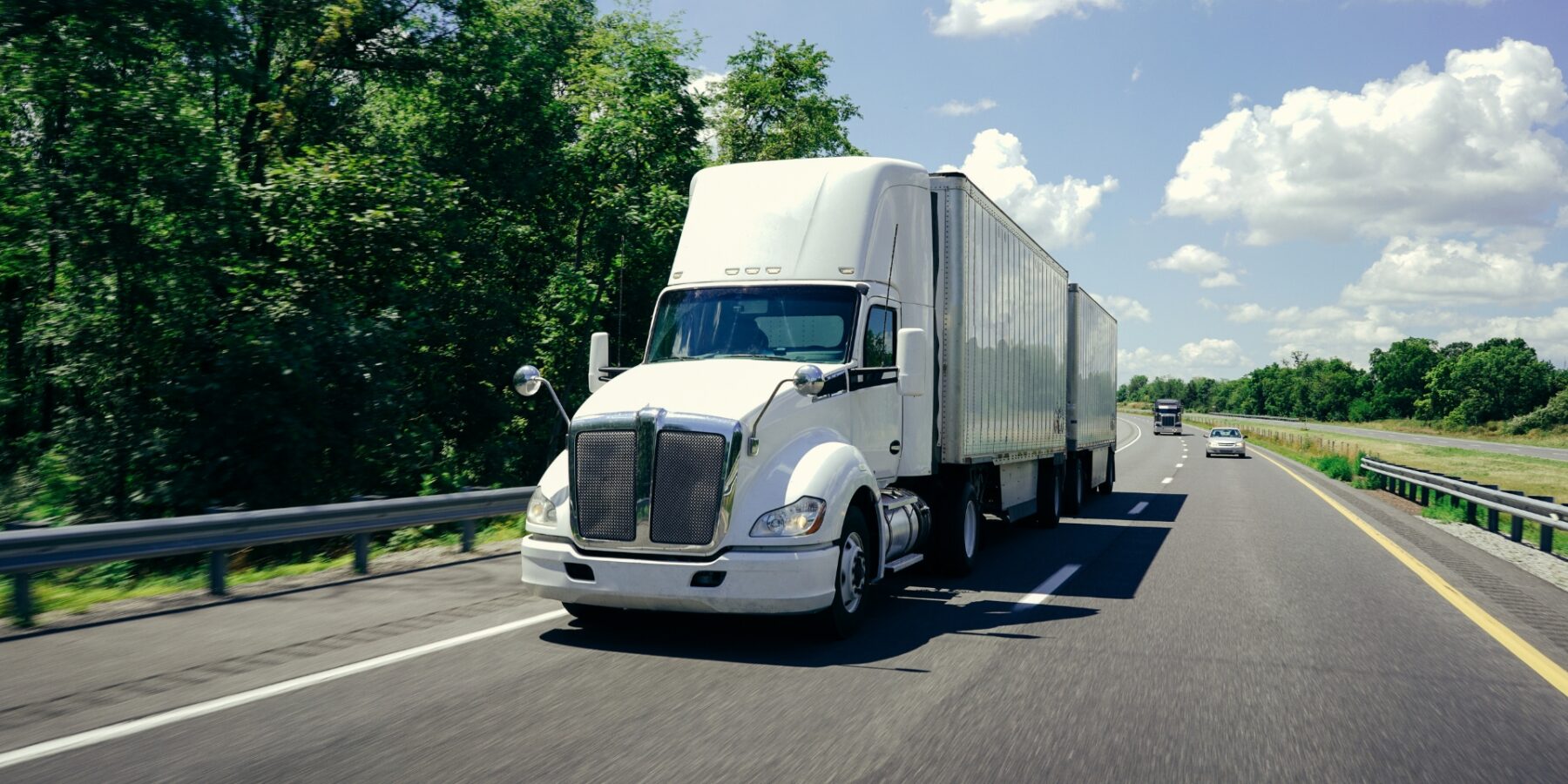
Overloaded 18-Wheeler Accident Attorneys in Georgia
An overloaded 18-wheeler can turn an already dangerous truck crash into a life-changing collision. If you are searching for Overloaded 18-Wheeler Accident Attorneys in Georgia, you may already suspect the truck that hit you was carrying too much weight, loaded incorrectly, or pushed onto the road despite clear safety risks. Evans Litigation and Trial Law helps injured people across Georgia take these crashes seriously from the start.
Overloaded trucks can cause major damage because excess weight affects how a tractor-trailer stops, turns, shifts, and responds in traffic. A heavy load can strain brakes, increase stopping distance, make the trailer harder to control, and worsen the force of impact. After a crash on I-75, I-85, I-20, I-16, I-95, or another Georgia road, the trucking company and its insurer may move quickly to protect their own interests.
You should not have to guess whether the truck was overweight or whether the cargo played a role in your injuries. Evans Litigation and Trial Law can investigate the crash, review available records, and look for evidence that the driver, trucking company, cargo loader, shipper, or another party made unsafe decisions before the collision. Call (678) 613-2797 now to speak with Evans Litigation and Trial Law about your overloaded 18-wheeler accident claim in Georgia.
Why You Need Overloaded 18-Wheeler Accident Attorneys in Georgia After a Serious Crash
An overloaded 18-wheeler accident can involve more than a careless truck driver. These crashes often involve weight decisions made before the truck ever reached the road. Evans Litigation and Trial Law looks at the full picture, including the driver, trucking company, cargo loader, shipper, maintenance history, and documents that may show the trailer carried unsafe weight.
When a tractor-trailer carries too much weight, every part of the crash can become harder to untangle. The truck may need more distance to stop. The trailer may swing, tip, or push the cab forward. The impact may leave you with serious injuries, damaged property, missed work, and a claim that the insurance company tries to downplay from the first call.
How Overweight 18-Wheelers Can Make Georgia Truck Accidents More Severe
An overweight 18-wheeler can hit with massive force. When that truck collides with a passenger vehicle, motorcycle, work van, or another commercial vehicle, the people in the smaller vehicle usually face the worst harm. Extra cargo weight can increase the severity of the impact and make serious injuries more likely.
These crashes can happen on major Georgia routes where commercial traffic moves every day. I-75, I-85, I-20, I-16, and I-95 all carry heavy tractor-trailer traffic through cities, rural stretches, industrial areas, and freight corridors. A truck that weighs too much may create danger long before the driver realizes they cannot slow down or control the trailer in time.
Evans Litigation and Trial Law treats overloaded truck accident claims as evidence-driven cases. The question is not only whether the truck hit you. The deeper question is why the truck could not stop, why the trailer moved the way it did, and whether unsafe loading decisions made your injuries worse.
Why Overloaded Tractor-Trailers Can Be Harder To Stop on Busy Georgia Highways
A fully loaded tractor-trailer already needs more room to stop than a passenger car. When the trailer carries too much cargo, stopping can become even harder. The driver may hit the brakes and still fail to avoid traffic slowing ahead, a red light, a lane change, or a crash scene.
This matters in Georgia because heavy commercial traffic often mixes with commuters, tourists, construction crews, and delivery drivers. A sudden slowdown near Atlanta, Macon, Savannah, Augusta, or Columbus can leave very little room for error. If the truck is overweight, that limited room can disappear fast.
A Georgia overloaded truck accident attorney can examine whether excess weight contributed to the crash. That may involve reviewing cargo records, brake condition, inspection documents, trip paperwork, and driver statements. Evans Litigation and Trial Law can use those details to push back when an insurer tries to treat the crash like a simple rear-end collision.
How Excess Cargo Weight Can Affect Braking Distance
Excess cargo weight can force a truck’s braking system to work harder. The heavier the trailer, the more energy the brakes must control when the driver slows down. If the brakes already have maintenance issues, the added strain can make the truck even more dangerous.
A crash victim may not know that braking distance played a role right away. At the scene, the wreck may look like the driver simply failed to stop. Later investigation may show a different story. The truck may have carried too much cargo, had worn brakes, or traveled too fast for its weight.
Evans Litigation and Trial Law can look for facts that show the truck needed more stopping distance than it should have. Those facts can matter when the trucking company argues the driver had no time to react. They can also matter when several companies try to shift blame away from the cargo itself.
How Heavy Loads Can Increase Rollover and Jackknife Risks
Heavy loads can change how a tractor-trailer moves through turns, curves, ramps, and sudden traffic changes. If the weight sits too high, shifts inside the trailer, or exceeds safe limits, the trailer may become harder to control. That can raise the risk of a rollover, jackknife, lane departure, or multi-vehicle crash.
A jackknife can happen when the trailer swings out from behind the cab. A rollover can happen when the trailer tips after a weight shift or the driver loses control. Both crashes can block several lanes and involve multiple vehicles before anyone has time to react.
These crashes deserve a careful investigation because the visible wreckage may not explain what caused the trailer to move that way. Evans Litigation and Trial Law can review whether cargo weight, load placement, speed, braking, or driver decisions contributed to the loss of control.
Why Cargo Placement Can Matter as Much as Cargo Weight
A truck can become dangerous when cargo is too heavy, but poor cargo placement can create its own risks. Weight that sits unevenly inside a trailer can affect steering, braking, and trailer stability. If the cargo shifts during the trip, the driver may lose control without much warning.
Cargo placement can matter in crashes involving curves, ramps, lane changes, and sudden stops. A load that moves to one side can pull the trailer off balance. A load that shifts forward can place more stress on the cab and braking system.
Evans Litigation and Trial Law can investigate whether the load was properly placed and secured before the truck entered Georgia traffic. That investigation may point beyond the driver and toward the company that loaded, inspected, approved, or dispatched the trailer.
Why Overloaded Trailers Can Create Multi-Vehicle Crash Risks
An overloaded trailer can create danger for more than one driver. When a truck cannot stop, tips over, or jackknifes, nearby vehicles may have nowhere to go. A single unsafe loading decision can lead to a chain reaction involving cars, motorcycles, vans, and other trucks.
Multi-vehicle crashes often create disputes over who caused what. One insurer may blame the truck driver. Another may blame traffic conditions. A trucking company may argue that other drivers caused the pileup after the initial collision.
Evans Litigation and Trial Law can sort through these competing claims. The firm can examine where the crash began, how the overloaded truck moved, and whether excess weight made the collision harder to avoid.
Why Insurance Companies Fight Overloaded Truck Accident Claims in Georgia
Insurance companies often fight overloaded truck accident claims because these cases can involve serious injuries and high financial exposure. If the evidence shows the truck carried an unsafe weight, the claim may point to preventable decisions by the driver, trucking company, cargo loader, or shipper. That can make the case more expensive for the companies involved.
The insurer may try to narrow the claim. They may argue the crash happened because of traffic, weather, road conditions, or your own actions. They may also claim the cargo weight had nothing to do with your injuries, even when the truck’s movement tells a different story.
Evans Litigation and Trial Law understands that overloaded 18-wheeler accident claims require pressure and precision. The firm can gather records, review the crash facts, and challenge arguments that ignore how excess weight can affect a tractor-trailer. When the insurance company tries to make the case smaller than it is, your attorney can bring the focus back to the unsafe decisions that caused real harm.
What Questions Do People Ask Overloaded Truck Accident Attorneys in Georgia
People often have sharp, practical questions after an overloaded truck crash because the wreck rarely makes sense at first. One second, traffic is moving, and the next second, an 18-wheeler cannot stop, a trailer swings sideways, or a heavy load turns a bad crash into something much worse. Evans Litigation and Trial Law helps injured people ask the right questions before the trucking company writes its own version of the story.
These claims can feel confusing because the most important evidence may sit in places you cannot access on your own. Weight tickets, cargo paperwork, inspection records, dispatch notes, black box data, and loading dock records may all matter. The right question can open the door to the right evidence, and the right evidence can change the entire claim.
How Do You Prove an 18-Wheeler Was Overloaded in Georgia?
You prove an overloaded 18-wheeler claim by looking beyond the crash scene. The damage to your vehicle matters, but the paper trail often tells the deeper story. Evans Litigation and Trial Law can look for records that show what the truck carried, who loaded it, who approved the trip, and whether the truck exceeded safe or legal weight limits.
This can include weigh station records, bills of lading, freight documents, loading records, inspection reports, and driver logs. A lawyer may also review photos, videos, police reports, repair records, and electronic data from the truck. No single record has to do all the work. Strong truck accident claims often come from several pieces of evidence that point in the same direction.
Why Truck Weight Records Can Matter After an Overloaded Semi Crash
Truck weight records can show whether the 18-wheeler carried more weight than it should have. These records may come from weigh stations, shipping facilities, loading docks, or company paperwork. If the numbers do not line up, that can raise serious questions about what the trucking company knew before the crash.
A truck does not become overloaded by accident in most cases. Someone loads the cargo. Someone prepares the paperwork. Someone sends the truck onto the road. Evans Litigation and Trial Law can look at those decisions and determine whether unsafe weight played a role in the collision.
Why Cargo Documents Can Help Prove an Overweight Tractor-Trailer Claim
Cargo documents can identify what the truck carried, where the load came from, and who handled it before the crash. These records can help show whether the trailer was loaded properly or whether the cargo created an unsafe risk on Georgia roads. They can also identify companies that may share responsibility beyond the driver.
The bill of lading, cargo manifest, and shipping records may give the claim structure. They can show the type of freight, the weight listed, and the parties involved in the shipment. If those records conflict with the crash evidence, your attorney can press for answers.
How Missing Cargo Records Can Raise Questions About the Trucking Company
Missing records can matter because trucking companies should keep important documents tied to a commercial trip. If cargo paperwork disappears or looks incomplete, that does not automatically prove wrongdoing. It does, however, give your attorney a reason to ask harder questions.
Evans Litigation and Trial Law can look at what records exist, what records should exist, and whether a company failed to preserve evidence. A company should not benefit from confusion that it helped create. When records go missing, the investigation should not stop.
Can an Overloaded Truck Cause Brake Failure?
An overloaded truck can place extra strain on its braking system. Brakes already work hard on a large tractor-trailer, especially in traffic, on hills, near construction zones, or during sudden stops. When a truck carries too much weight, the braking system may need to apply more force than it can safely handle.
Brake failure does not always mean the brakes stopped working completely. The truck may have needed too much distance to stop. The brakes may have overheated, worn down, or failed to perform the way they should have. Evans Litigation and Trial Law can investigate whether excess weight and poor maintenance worked together to make the crash worse.
How Excess Cargo Weight Can Strain an 18-Wheeler’s Braking System?
Extra cargo weight can make a truck harder to slow down. The driver may see traffic stopping ahead and hit the brakes, but the loaded trailer may keep pushing forward. That can lead to rear-end crashes, underride crashes, jackknife crashes, and multi-vehicle collisions.
This issue becomes especially serious on roads where traffic speeds change quickly. A truck moving through Atlanta congestion, Macon traffic, or Savannah freight routes may need to react without much warning. If the truck is overloaded, the driver may not have enough room to recover.
How Brake Maintenance Records Can Support an Overloaded Truck Claim
Brake maintenance records can show whether the trucking company kept the vehicle in a safe condition before the crash. If the truck had worn brakes, skipped inspections, or repeated repair issues, excess cargo weight may have made those problems more dangerous. A truck that is both overloaded and poorly maintained can become a serious hazard.
Evans Litigation and Trial Law can review maintenance records, inspection reports, repair history, and driver complaints when available. These records can help show whether the company ignored warning signs. They can also push back against claims that the crash happened suddenly and could not have been prevented.
Why Brake Failure Claims Need Fast Evidence Preservation
Brake evidence can disappear quickly after a crash. A trucking company may repair the vehicle, move the trailer, or return equipment to service. If that happens before your attorney takes action, important proof may become harder to find.
Fast legal help can protect your claim before evidence slips away. Evans Litigation and Trial Law can act quickly to request records and investigate the truck’s condition. Early action matters because the trucking company often starts protecting itself right away.
Who Pays After an Overweight Tractor-Trailer Hits My Vehicle?
More than one party may owe compensation after an overweight tractor-trailer crash. The truck driver may have made unsafe choices behind the wheel. The trucking company may have allowed an overloaded trailer onto the road. A cargo loader, shipper, broker, or maintenance company may also have contributed to the crash.
This is one reason overloaded truck accident claims need careful review. If you only look at the driver, you may miss the business decisions that caused the danger. Evans Litigation and Trial Law can investigate each company connected to the truck, the load, and the trip.
When a Trucking Company May Pay for an Overloaded 18-Wheeler Accident
A trucking company may bear responsibility when it sends an unsafe truck onto Georgia roads. This can include allowing an overloaded trailer, failing to inspect cargo weight, ignoring safety problems, or pressuring drivers to complete trips despite risks. The company may also face responsibility for hiring, training, supervision, and maintenance failures.
Insurance companies may try to frame the crash as one driver’s mistake. That can be far too simple. Evans Litigation and Trial Law can examine whether company policies, dispatch pressure, or poor oversight helped cause the crash.
When a Cargo Loader or Shipper May Share Responsibility
A cargo loader or shipper may share responsibility if they loaded the trailer unsafely or gave inaccurate weight information. A bad loading decision can affect the entire trip. The driver may not always see how cargo sits inside a sealed trailer, but the danger still follows the truck onto the road.
These companies may deny responsibility and point back to the driver or trucking company. Evans Litigation and Trial Law can review the shipment chain and look for the decisions that placed unsafe weight on the trailer. The goal is to identify every responsible party, not just the easiest one to name.
Why Multiple Insurance Companies Can Complicate Your Claim
Multiple insurance companies can turn a truck accident claim into a blame-swapping contest. One insurer may blame the driver. Another may blame the cargo company. Another may argue that your injuries came from something else entirely.
You should not have to referee that fight while recovering from a serious crash. Evans Litigation and Trial Law can deal with the insurers and keep the focus on the evidence. When companies start pointing fingers, your attorney can work to connect each party’s choices to the harm you suffered.
What if the Truck Driver Blames the Loading Company?
A truck driver may blame the loading company when cargo weight or placement appears to have caused the crash. That defense may be valid in some cases, but it does not automatically release the driver or trucking company from responsibility. A safe trucking operation should include checks, inspections, and decisions that protect everyone on the road.
The real question is who knew what and when they knew it. Did the driver inspect the load when possible? Did the company review the cargo documents? Did the loader provide accurate weight information? Evans Litigation and Trial Law can dig into those questions instead of accepting one party’s excuse at face value.
How Driver Responsibility Works in an Overloaded Truck Accident Case
Truck drivers must operate their vehicles safely based on traffic, weather, road conditions, and the condition of the truck. If the truck felt unstable, needed extra stopping distance, or showed signs of weight problems, the driver’s choices may matter. A driver cannot ignore obvious danger and then blame someone else after a crash.
That does not mean the driver is always the only responsible party. Trucking cases often involve layered decisions. Evans Litigation and Trial Law can examine whether the driver, employer, loading company, or shipper had a chance to prevent the crash.
How a Loading Company Can Create Danger Before the Truck Moves
A loading company can create danger before the truck leaves the dock. Poor weight distribution, excess cargo, unsecured freight, or rushed loading can all affect how the trailer moves. By the time the truck reaches a Georgia highway, the danger may already be built into the load.
That is why loading records matters. They can show who handled the cargo, when the trailer was loaded, and whether anyone checked the weight. Evans Litigation and Trial Law can use those details to determine whether the crash started long before the impact.
Why Blame Shifting Should Not Stop Your Injury Claim
Blame shifting should not stop your claim because companies often argue with each other to avoid paying. That does not change the fact that you were injured. It also does not erase the evidence showing how the crash happened.
Evans Litigation and Trial Law can keep your claim moving while the companies dispute fault. Your case should focus on your injuries, your losses, and the unsafe choices that caused the crash. If multiple parties share fault, your attorney can pursue accountability from each one.

Call Evans Litigation and Trial Law To Speak With Overloaded 18-Wheeler Accident Attorneys in Georgia
If an overloaded 18-wheeler caused your crash, you need answers before the trucking company gets too much control over the evidence. These cases can move fast behind the scenes. The driver may give a statement, the truck may get repaired, cargo records may get harder to find, and the insurance company may start building a defense before you even know the full story.
Evans Litigation and Trial Law helps injured people across Georgia take action after serious overloaded truck crashes. Our team can investigate the truck’s weight, cargo records, loading history, inspection documents, maintenance records, and insurance issues. We can look for the decisions that put an unsafe truck on the road, then pursue compensation for your medical bills, lost income, pain, suffering, future care, and the real disruption this crash caused in your life.
If you were hurt in a crash involving an overweight tractor-trailer, overloaded semi truck, or unsafe commercial vehicle, Evans Litigation and Trial Law can step in, protect your claim, and fight for the compensation you need to move forward. Call (678) 613-2797 now for a free consultation or contact Evans Litigation and Trial Law through our contact page today.
Practice Areas
Trust Us With Your Personal Injury Claim
If you or a loved one have been injured, Goldberg & Loren will fight for you every step of the way. We will give our all to secure the compensation you rightfully deserve.



Contact usfor a free consultation.
Phone: (304) 449-5157