
Company Vehicle Accident Attorneys in Georgia
A company vehicle accident can leave you hurt, without transportation, and unsure who should pay for your losses. If you are searching for Company Vehicle Accident Attorneys in Georgia, you may be dealing with a business driver, a commercial insurance company, or an employer that wants to limit responsibility before you know the full damage.
Evans Litigation and Trial Law helps injured people after serious crashes involving company-owned vehicles, work trucks, fleet vehicles, delivery vehicles, and commercial vehicles across Georgia. These cases can move fast because businesses often have insurers, adjusters, and internal teams working on the claim right away. You need someone who can investigate the crash, identify every responsible party, and protect your claim before evidence disappears.
If a company driver hit you in Georgia, call Evans Litigation and Trial Law at (678) 613-2797 for a free consultation. We can review what happened and explain what steps may protect your company’s vehicle accident claim.
Why You Need Company Vehicle Accident Attorneys in Georgia After a Business Vehicle Crash
A crash with a company vehicle is different from a typical accident between two private drivers. The vehicle may belong to a business, the driver may have been working, and a commercial insurance policy may apply. That means your claim can involve more records, more decision makers, and more attempts to limit what the company has to pay.
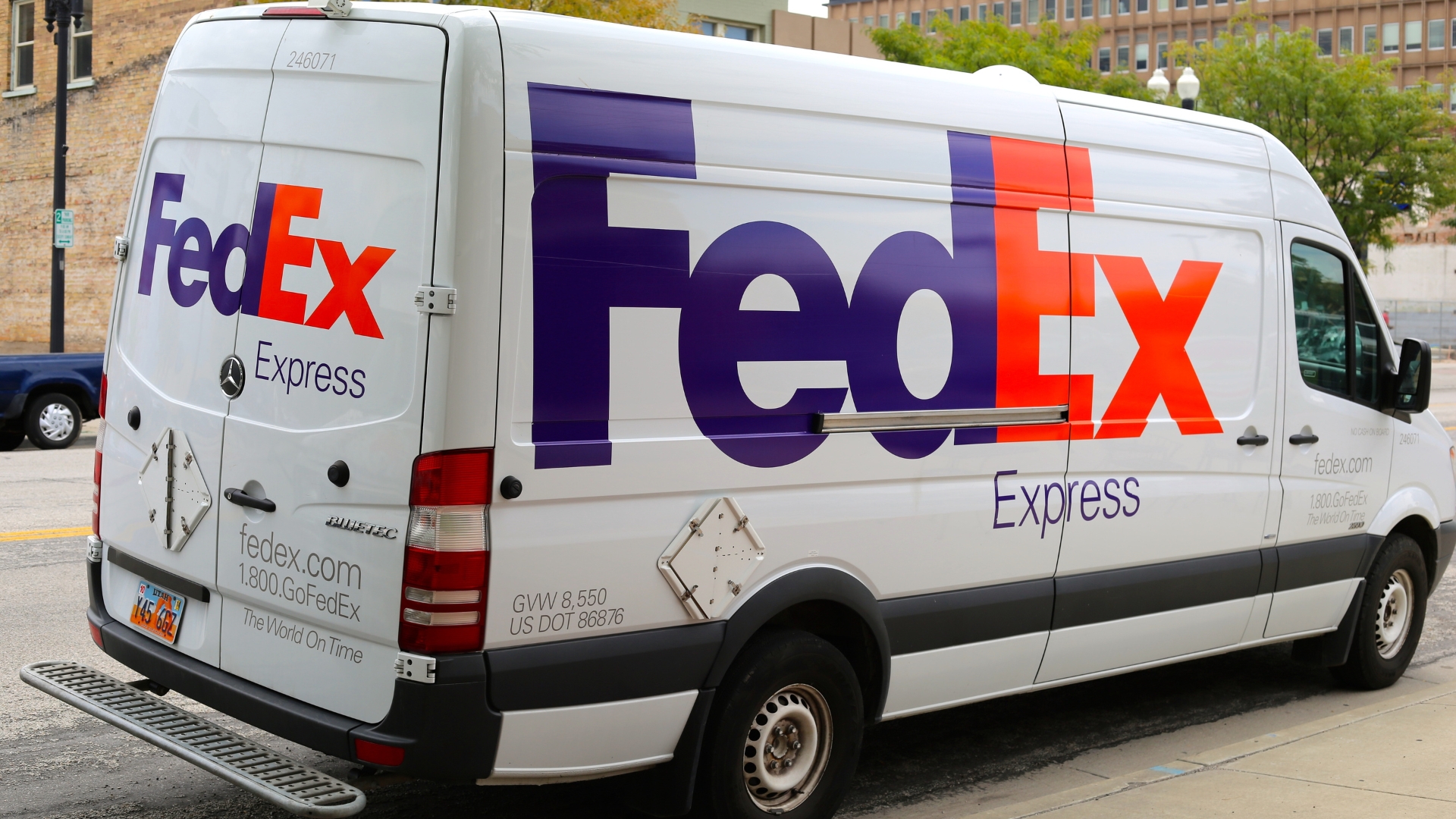
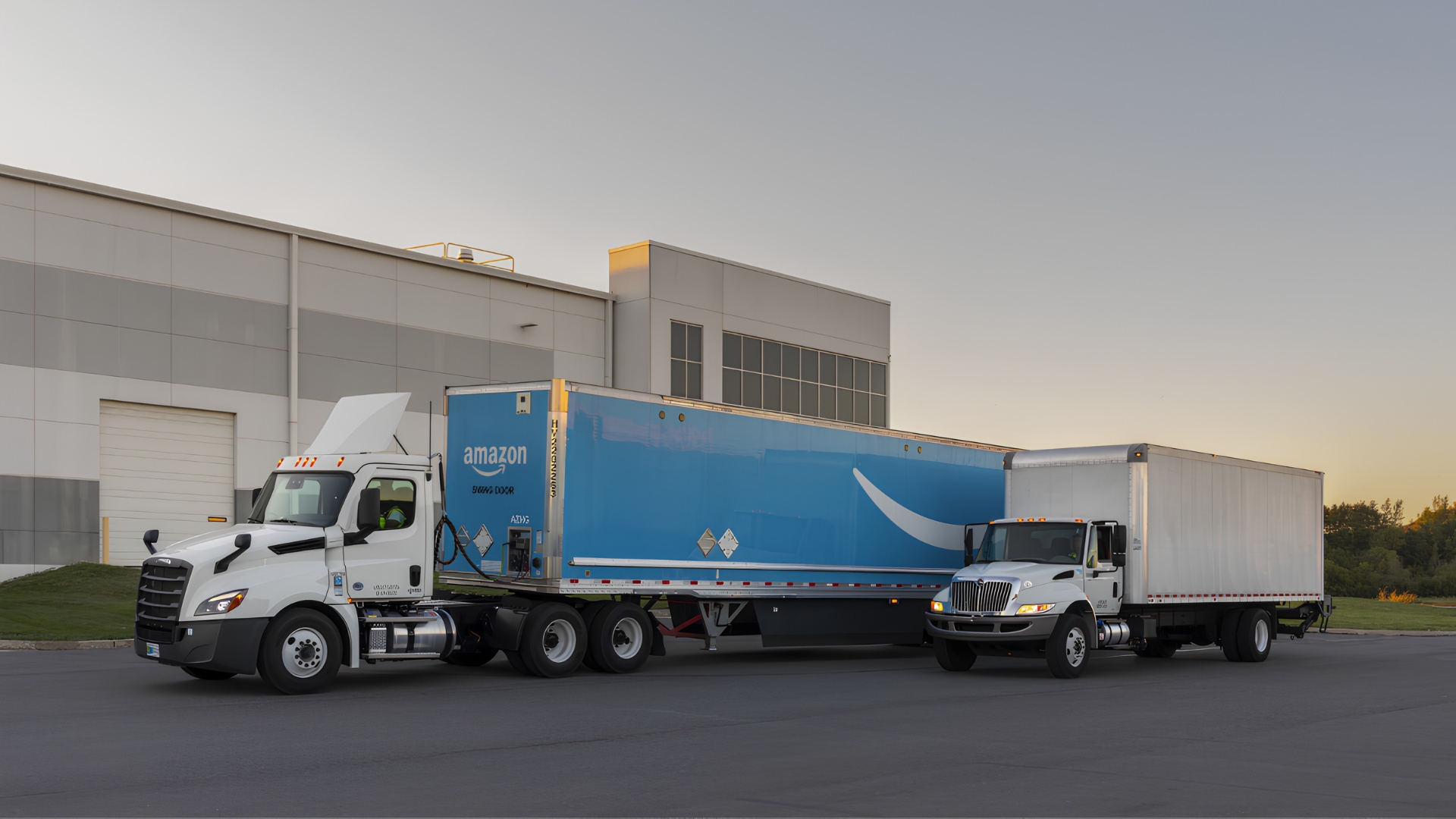
Evans Litigation and Trial Law helps injured people understand what they are dealing with after a company vehicle crash in Georgia. These cases can involve delivery vans, work trucks, service vehicles, fleet vehicles, and commercial trucks. When a business vehicle causes serious harm, you need a legal team that knows how to look beyond the driver and examine the company behind the vehicle.
Company-Owned Vehicle Accidents Can Involve More Than One Responsible Party
A company-owned vehicle accident can create several layers of responsibility. The driver may have caused the crash by speeding, texting, following too closely, or making an unsafe lane change. The company may also share responsibility if it hired an unsafe driver, failed to train the driver, ignored maintenance problems, or pressured the driver to meet an unrealistic schedule.
This matters because one insurance policy may not cover the full damage after a serious crash. If you suffered major injuries, missed work, or need long-term medical care, Evans Litigation and Trial Law can review the facts and look for every party that may be legally responsible. The goal is to understand the whole claim, not just the version the company or insurer wants you to accept.
The Company Driver May Have Caused the Crash While Working
A company driver may cause a crash while making deliveries, traveling between job sites, hauling equipment, or performing another work task. When that happens, the driver’s actions may connect directly to the employer. A driver who causes a rear-end crash in a work truck, for example, may create a claim involving both personal negligence and company responsibility.
The details matter. The driver may have been on the clock, using a company route, driving a business vehicle, or following dispatch instructions. Evans Litigation and Trial Law can review those facts to determine whether the company should answer for the harm its driver caused.
Why the Driver’s Work Status Can Change the Claim
The driver’s work status can affect which insurance policy applies and which parties are involved in the claim. A business may deny responsibility by arguing that the driver acted outside the scope of employment. That argument can become a major issue when the company vehicle is used for mixed personal and work purposes.
A lawyer can examine time records, route information, delivery logs, job assignments, and witness statements to challenge that defense. If the driver was doing company business at the time of the crash, the injured person may have a stronger path to pursue compensation from the business and its insurer.
The Company May Have Created Unsafe Driving Conditions
Some company vehicle crashes happen because the business creates pressure that makes unsafe driving more likely. A company may schedule too many stops, demand fast delivery times, or fail to give drivers enough rest. Those choices can lead to speeding, distracted driving, fatigue, and reckless decisions behind the wheel.
A company can also create danger by putting poorly maintained vehicles on Georgia roads. Worn tires, bad brakes, broken lights, and ignored warning signs can turn a work vehicle into a threat. Evans Litigation and Trial Law can look at maintenance records and company practices to determine whether the business placed profit or speed ahead of public safety.
Business Vehicle Insurance Companies Move Fast After Serious Georgia Crashes
After a company vehicle accident, the business insurer may start working before you have a full picture of your injuries. Adjusters may call quickly, ask for a recorded statement, request medical information, or try to frame the crash in a way that helps the company. Their job is to protect the insurance company’s money, not to explain every right you have under Georgia law.
That early pressure can hurt your claim if you respond without legal guidance. You may say something that sounds harmless, but later gets used against you. You may also accept a settlement before doctors know whether your injuries will require more treatment, missed work, therapy, surgery, or long-term care.
Recorded Statements Can Give the Insurer Room To Shift Blame
A recorded statement can become a tool for the insurance company. The adjuster may ask questions about speed, distance, pain levels, prior injuries, or what you remember from the crash. If you answer while hurt, stressed, or unsure, the insurer may later use small inconsistencies to challenge your claim.
You do not have to let the company’s insurer control the conversation. Evans Litigation and Trial Law can help you understand what information matters and what questions may create risk. Before you give a statement, it helps to know who the insurer represents and how your words may affect the claim.
Why Early Pain Levels Do Not Always Tell the Full Story
Many crash injuries get worse after the first day. Back pain, neck pain, headaches, nerve symptoms, and soft tissue injuries may become clearer after swelling and adrenaline fade. If you tell an adjuster that you feel fine too early, the insurer may later argue that your injuries did not come from the crash.
Medical care helps protect both your health and your claim. It creates records that connect your symptoms to the company vehicle accident. It also gives doctors a chance to identify injuries that may not seem obvious at the scene.
Fast Settlement Offers Can Undervalue Serious Injuries
A quick settlement may sound helpful when medical bills arrive, and your car is damaged. The problem is that early offers often come before you know the full cost of the crash. Once you sign a release, you may lose the right to demand more money later.
Company vehicle crashes can cause injuries that affect your work, movement, sleep, and daily life for months or years. Evans Litigation and Trial Law can evaluate the settlement pressure and help you avoid decisions that benefit the insurer more than you. A fair claim should account for the full harm, not just the bills available during the first few days.
Why Evans Litigation and Trial Law Focuses on Commercial Vehicle Accident Claims
Evans Litigation and Trial Law focuses on serious vehicle claims involving commercial vehicles, company vehicles, and truck-related crashes across Georgia. That focus matters because business vehicle cases often require a deeper investigation than a normal crash claim. The right questions can uncover company policies, driver records, vehicle ownership, insurance coverage, and maintenance failures.
A company vehicle accident can happen on I-75, I-85, I-20, I-16, local roads in Atlanta, or highways serving communities across Georgia. The setting may change, but the core issue stays the same. If a business vehicle caused your injuries, the company and its insurer should not have the only say in what happened.
Commercial Vehicle Claims Need Fast Evidence Preservation
Important evidence can disappear quickly after a company vehicle crash. Businesses may repair the vehicle, reassign the driver, update records, overwrite video, or lose electronic data. A lawyer can send preservation demands and move quickly to protect records before the company controls the entire story.
Evidence may include photos, dash camera footage, driver schedules, GPS data, dispatch records, inspection reports, and maintenance history. Evans Litigation and Trial Law can use that evidence to build a clearer picture of why the crash happened. The sooner that process starts, the better chance you have to protect the proof behind your claim.
Why Fleet Records Can Matter After a Georgia Company Vehicle Accident
Fleet records can show whether the company had a pattern of safety problems before the crash. They may reveal repeated maintenance issues, prior complaints about the driver, missed inspections, or rushed delivery practices. Those records can help show that the crash was not a random mistake.
A company may not volunteer those records without pressure. That is one reason injured people should speak with a lawyer before relying on the company’s version of events. Evans Litigation and Trial Law can investigate whether the business had information that should have kept the vehicle or driver off the road.
What Should You Do After a Company Vehicle Accident in Georgia Before Calling a Lawyer
The first few hours after a company vehicle accident can feel chaotic. You may have pain, damaged property, missed work, and a business insurer trying to get your version of events before you have even seen a doctor. That is a bad time to guess your way through the process.
Evans Litigation and Trial Law wants injured people to protect themselves early. You do not need to know every legal rule at the crash scene. You do need to make smart moves that preserve evidence, document your injuries, and keep the company’s insurer from getting control before you understand the claim.
Report the Crash and Get Medical Care Right Away
A company vehicle crash should be reported as soon as possible, especially when someone is injured, killed, or the damage appears serious. A police report can help document where the crash happened, who was involved, what the drivers said, and whether the officer noted any traffic violations. That record may become one of the first pieces of evidence in your injury claim.
Medical care matters just as much. You may feel pain right away, or symptoms may creep in after the adrenaline fades. Evans Litigation and Trial Law often sees crash victims deal with neck pain, back pain, headaches, shoulder injuries, knee injuries, and symptoms that do not fully appear until later.
Why a Georgia Accident Report Can Help Your Company Vehicle Claim
A Georgia accident report can create a timeline that the insurance company cannot easily rewrite. It may identify the company driver, the vehicle owner, insurance details, witness information, and the officer’s first observations. That information can help your attorney move faster when building the claim.
The report may also expose details that matter later. For example, it may show whether the company driver received a citation, claimed a different version of events, or failed to provide complete insurance information. Evans Litigation and Trial Law can compare the report with photos, medical records, witness statements, and company records to find gaps in the defense story.
Why Medical Records Can Protect You From Insurance Company Doubt
Insurance companies look for gaps. If you wait too long to get treatment, the insurer may argue that you were not seriously hurt or that something else caused your pain. That argument can feel insulting, but insurers use it often because delay gives them room to question the claim.
Medical records help connect your injuries to the crash. They show when your symptoms started, what doctors found, what treatment you needed, and how the injuries affected your life. Evans Litigation and Trial Law can use those records to push back when an insurer tries to minimize your condition.
Why You Should Tell Doctors About Every Symptom After the Crash
Tell your doctor about every symptom, even the ones that seem minor at first. A headache, tingling sensation, sore shoulder, or stiff lower back may point to an injury that needs follow-up care. If you leave those symptoms out, the insurance company may later argue they were unrelated.
You should also explain how the crash happened. If a company truck hits the back of your vehicle, say that. If a delivery driver sideswiped you, say that. Clear medical notes can help connect the mechanism of the crash to the injuries you report.
Avoid Giving the Company Insurance Adjuster a Recorded Statement
The company’s insurance adjuster may sound friendly, calm, and helpful. That does not mean the conversation is safe. The adjuster works for the insurer, and the insurer has a financial reason to reduce what it pays.
A recorded statement can become one of the first weapons used against you. The adjuster may ask about your speed, your pain, where you looked, what you remember, and whether you had prior injuries. Evans Litigation and Trial Law can help you avoid mistakes before the company insurer turns a short call into a long-term problem.
Why Adjusters Ask Questions Before You Know the Full Damage
An adjuster may contact you before doctors finish evaluating your injuries. That timing helps the insurer because you may not know the full extent of your medical needs yet. You may say your pain is manageable, only to learn later that you need therapy, injections, imaging, or surgery.
The insurer may also ask questions that sound simple but carry risk. For example, if you say you are fine, the insurer may treat that as proof that you were not hurt. If you guess about vehicle speeds or distance, the insurer may use that guess to challenge your credibility later.
How Recorded Statements Can Shift Blame After a Georgia Company Vehicle Crash
Georgia fault disputes can become serious fast. If the insurance company can put part of the blame on you, it may try to reduce the value of your claim. That can happen even when the company driver clearly made a dangerous mistake.
A recorded statement may give the insurer small details to twist. A pause, an uncertain answer, or a harmless phrase can become part of a blame-shifting argument. Evans Litigation and Trial Law can take over insurer communications, so you do not have to walk into that trap alone.
Why Saying Too Much Can Hurt Even When You Tell the Truth
Telling the truth matters, but timing and context matter too. You may tell the truth while leaving out facts you do not know yet. You may also describe your pain before symptoms fully develop.
Insurance companies do not always treat incomplete answers fairly. They may use early statements against later medical records, even when your injuries honestly got worse with time. A lawyer can help make sure your claim develops around facts, records, and evidence instead of one rushed phone call.
Save Evidence Before the Business or Fleet Operator Controls the Story
Evidence can disappear quickly after a company vehicle accident. A business may repair the vehicle, move the truck, update internal records, overwrite video, or send the driver back to work. Once that happens, you may lose proof that could have helped your claim.
You do not need to investigate the company yourself. You should preserve what you can safely collect. Evans Litigation and Trial Law can move quickly to demand records, protect evidence, and examine whether the company vehicle had problems before the crash.
Photos and Videos Can Capture What the Company May Later Deny
Photos and videos can show vehicle damage, skid marks, traffic conditions, road hazards, company logos, license plates, DOT numbers, and the position of the vehicles. These details can matter if the company later disputes how the crash happened. Even a few images can help your legal team understand the scene.
You should take photos only if you can do so safely. Do not stand in traffic or put yourself in danger. If someone else can take photos for you, ask them to capture wide shots, close shots, and anything that shows the company vehicle’s identity.
Witness Information Can Strengthen Your Version of Events
Witnesses may see things you did not see. They may notice the company driver speeding, drifting across lanes, running a red light, following too closely, or looking down before impact. Their statements can help challenge the company driver’s version of events.
Try to get names and phone numbers from witnesses at the scene. If you cannot do that because you need medical care, do not panic. Evans Litigation and Trial Law can review the crash report, nearby business locations, camera sources, and other evidence to look for people who saw what happened.
Why Company Vehicle Details Matter After a Georgia Business Vehicle Collision
Company vehicle details can help identify the right business, insurer, and records. A logo on the door, a truck number, a license plate, a DOT number, or a delivery route can all matter. Those details help your attorney determine whether the vehicle belonged to a local company, a statewide fleet, a national delivery service, or another commercial operator.
Do not assume the driver’s insurance card tells the whole story. Company vehicle claims may involve layered insurance coverage and multiple responsible parties. Evans Litigation and Trial Law can sort through those details and determine who should answer for the crash.
Contact a Georgia Company Vehicle Accident Lawyer Before Deadlines Hurt Your Claim
A company vehicle accident claim has deadlines. If you wait too long, you may lose evidence, weaken your medical proof, or run into legal filing limits. Waiting also gives the company and insurer more time to build their defense without your side pushing back.
Evans Litigation and Trial Law helps injured people act before those problems grow teeth. A lawyer can preserve evidence, identify the company behind the vehicle, review insurance coverage, document your injuries, and protect you from unfair settlement pressure.
Why Fast Legal Help Can Protect Commercial Vehicle Evidence
Commercial vehicle evidence can be technical and time sensitive. GPS data, dash camera footage, driver schedules, dispatch logs, maintenance files, inspection records, and electronic data may not stay available forever. A legal team can send preservation demands before the company deletes or loses records.
This is especially important when the crash involves a work truck, delivery vehicle, fleet vehicle, or commercial vehicle traveling through Georgia. The company may already have people reviewing the crash internally. You deserve someone to review the facts for you.
Why You Should Not Wait Until the Insurance Company Denies the Claim
Many people wait until the insurer becomes unreasonable before calling a lawyer. That delay can cost them. By the time the insurer denies the claim, important evidence may already be harder to find.
You can call Evans Litigation and Trial Law before the insurance company makes a decision. Early legal help can keep the claim organized from the start. It can also stop the insurer from using confusion, pressure, or delay to push you into a weaker position.
Why Early Legal Guidance Helps You Avoid Low Settlement Pressure
A low settlement offer can look tempting when bills are piling up. The insurer knows that. It may offer money early because it wants a release before you know the full cost of treatment, missed work, and long-term recovery.
Early legal guidance helps you slow the process down and look at the real numbers. Evans Litigation and Trial Law can review medical care, lost income, pain, future treatment needs, and insurance coverage before you make a decision. A company vehicle accident claim should reflect the harm you actually suffered, not the amount the insurer hopes you will accept.

Call Company Vehicle Accident Attorneys in Georgia After a Serious Commercial Vehicle Crash
A company vehicle accident can leave you dealing with pain, medical bills, missed work, and an insurance company that already knows how to protect the business. You should not have to guess whether the driver, employer, fleet operator, or commercial insurer should be held responsible. Evans Litigation and Trial Law can review what happened, investigate the company vehicle, and help you understand the next step in your claim.
Company vehicle accidents can involve delivery trucks, work vans, service vehicles, fleet cars, and commercial trucks traveling across Georgia. These cases often require fast action because important records can disappear. Driver logs, dispatch records, maintenance files, GPS data, photos, video, and witness information can all help show why the crash happened and who should pay for the harm you suffered.
If you are searching for Company Vehicle Accident Attorneys in Georgia, you likely need more than a basic insurance claim. You need a legal team that knows how to handle business vehicle crashes, commercial insurance disputes, and serious injury claims. Evans Litigation and Trial Law can help pursue compensation for medical treatment, lost income, pain, suffering, future care, and the long-term impact of the crash.
Do not let the company’s insurer control the story before you get legal guidance. Contact Evans Litigation and Trial Law through our contact page or call (678) 613-2797 today for a free consultation with Georgia company vehicle accident attorneys who can start protecting your claim.
Practice Areas
Trust Us With Your Personal Injury Claim
If you or a loved one have been injured, Goldberg & Loren will fight for you every step of the way. We will give our all to secure the compensation you rightfully deserve.



Contact usfor a free consultation.
Phone: (304) 449-5157