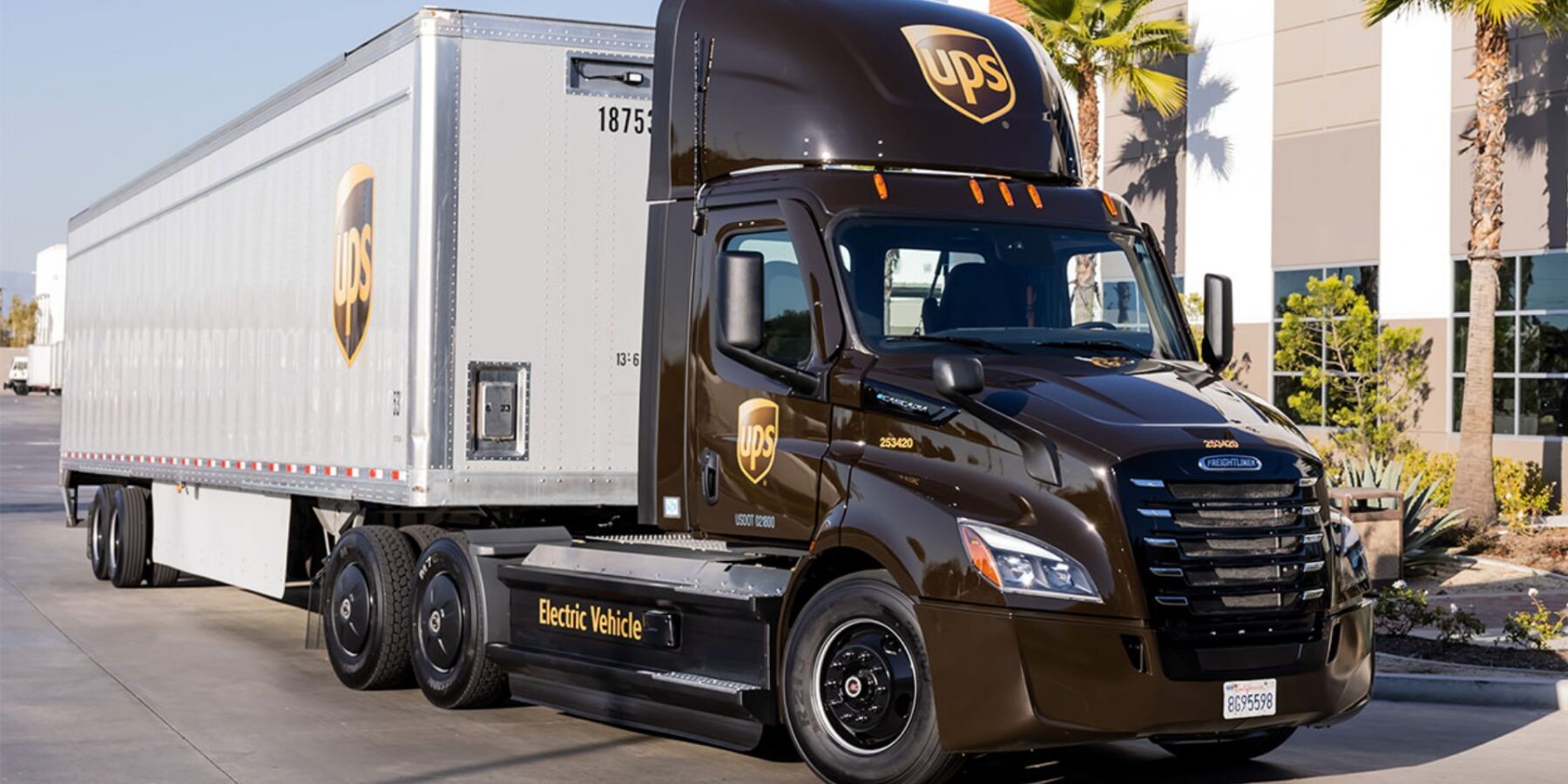
UPS Semi Truck Accident Attorneys in Georgia
UPS truck crashes in Georgia can leave injured drivers facing a corporate claims process before they fully know how badly they are hurt. UPS, its insurers, or its investigators may review the route, truck condition, delivery timing, and driver activity before you know the full extent of your injuries. UPS Semi Truck Accident Attorneys in Georgia, Evans Litigation and Trial Law, help Georgia crash victims take early steps that protect evidence, avoid rushed insurance decisions, and connect the collision to the losses that follow.
Alfred Evans and team bring prior experience handling trucking and insurance defense matters, which helps the firm spot the arguments commercial carriers often raise. A UPS semi truck accident claim may involve disputed fault, fatigue, blind spots, maintenance concerns, or delivery route pressure. The sooner you act, the easier it may be to preserve records that show why the crash happened. Call (678) 613-2797 today to speak with Evans Litigation and Trial Law about your UPS truck accident claim in Georgia.
Why You Need UPS Semi Truck Accident Attorneys in Georgia
A UPS truck crash is harder than a normal car accident because the case can involve more than one driver, more than one insurance policy, and more than one company decision. UPS semi truck accident attorneys in Georgia, Evans Litigation and Trial Law, help protect the claim before company records, vehicle data, and witness details become harder to obtain. These cases often require a deeper investigation because key answers may sit inside trucking records, not just the police report. The attorney may need to review:
- Driver logs showing hours worked before the crash
- Electronic control module data showing speed and braking
- Dispatch records showing route pressure or timing issues
- Maintenance files showing brake, tire, or inspection problems
- Training records showing whether the driver had proper instruction
- Cargo records showing whether the trailer was loaded safely
- Camera footage from the truck, nearby businesses, or traffic areas
- Insurance communications that may reveal early defense positions
This matters because trucking companies often investigate fast. Their representatives may inspect the truck, photograph the scene, contact witnesses, and review internal records before the injured person understands the full medical impact.
Why UPS Truck Crash Investigations Start Differently
Most drivers expect police officers and insurance adjusters to handle the early investigation. A UPS truck crash case usually moves in another direction. The trucking company may gather vehicle data, review camera footage, contact witnesses, and inspect the tractor-trailer before the injured person leaves the hospital.
UPS semi truck accident attorneys in Georgia work quickly to preserve evidence tied to the crash. That process may include sending preservation notices for black box data, electronic logging device records, route assignments, maintenance reports, dispatch communications, and post-collision inspection files.
UPS Delivery Routes Create Different Liability Questions
UPS drivers operate under strict delivery schedules throughout Georgia. Metro Atlanta routes often involve repeated stops, congested intersections, and pressure to complete deliveries within narrow time windows. A crash near Buford Highway, I-20 westbound, or GA 400 may involve more than a single driving mistake.
Investigators may review whether unrealistic delivery demands affected driver decisions before the crash. A driver who rushed through traffic, skipped rest periods, or ignored weather conditions may have acted under company pressure tied to delivery expectations. That issue can become important during settlement negotiations or litigation.
Georgia Metro Traffic Creates Higher Risk for UPS Trucks
Traffic patterns around Atlanta increase danger for large commercial trucks. UPS trucks travel through areas where lane shifts, aggressive merging, and sudden slowdowns happen constantly. Georgia traffic safety data can help show how roadway patterns, crash trends, and traffic risks affect drivers across the state. Locations near Downtown Connector traffic, Cobb County freight corridors, and warehouse routes near Fulton Industrial Boulevard create frequent conflict between passenger vehicles and large trucks.
A UPS truck needs far more stopping distance than a passenger vehicle. During heavy rain near Macon or sudden traffic backups near Savannah, even a small delay in braking can cause a catastrophic collision.
Why Trucking Evidence Matters More Than a Police Report
Police officers usually arrive before the full scope of the crash becomes clear. Officers may not immediately know whether the driver exceeded federal hour limits, whether the brakes failed inspection, or whether dispatch records show unsafe scheduling decisions.
UPS semi truck accident attorneys in Georgia often build cases around evidence hidden behind company systems and trucking records. Electronic control modules can reveal speed, braking activity, steering input, and engine operation seconds before impact.
Federal Trucking Rules Can Shape the Entire Claim
Commercial trucking companies must follow Federal Motor Carrier Safety Administration regulations. These rules govern driver rest periods, inspections, cargo securement, training standards, and maintenance procedures. A violation may strengthen the injured person’s position during a claim.
For example, a UPS driver traveling through Augusta after excessive hours behind the wheel may show signs of fatigue similar to impaired driving. Delayed reaction times, lane drift, and poor judgment often appear in fatigue-related truck crashes. Those details matter when insurers dispute liability.
Driver Fatigue Cases Require Deeper Investigation
Fatigue cases rarely depend on one piece of evidence. Lawyers may compare fuel receipts, GPS data, dispatch schedules, toll records, and electronic logs to determine how long the driver stayed active before the collision. A driver may appear compliant on paper even when the surrounding records suggest otherwise.
Why UPS Truck Insurance Claims Become Aggressive Quickly
Commercial trucking claims involve far larger financial exposure than ordinary auto accidents. Serious injuries often include surgeries, extended rehabilitation, future medical treatment, and long-term work restrictions. Insurers know these cases carry significant value, so they begin defending the claim immediately.
UPS semi truck accident attorneys in Georgia prepare cases with that reality in mind. Insurance carriers may argue that traffic conditions caused the crash. They may claim the injured driver stopped suddenly, changed lanes improperly, or contributed to the collision through distraction.
Recorded Statements Can Damage Truck Accident Claims
Insurance adjusters often contact injured drivers within days of the wreck. They may ask for recorded statements before medical treatment stabilizes. Many people assume cooperation will help the claim move faster. Instead, incomplete statements often become tools for reducing compensation later.
A driver suffering neck injuries or head trauma may not fully remember the crash immediately after impact. Weeks later, medical imaging and treatment records may reveal far more serious injuries than originally suspected. Early recorded conversations can create conflicts insurers later use during negotiations.
Social Media Activity Can Affect Georgia Truck Cases
Insurance investigators frequently monitor social media after serious truck crashes. Photos, comments, and location check-ins may become part of the defense strategy. A simple post showing light activity can create arguments about physical condition, even when the injured person still struggles with pain and treatment. People recovering from serious crashes may have good days and bad days. Insurance companies sometimes ignore that reality when building defenses.
Why Severe Injuries Change UPS Truck Accident Cases
UPS semi truck collisions often create injuries that differ from standard passenger vehicle crashes. The weight difference between a truck and a smaller vehicle creates violent force during impact. Occupants in sedans, SUVs, and compact vehicles absorb much of that force directly.
Common injuries include spinal disc damage, traumatic brain injuries, crushed limbs, internal bleeding, fractured hips, and shoulder injuries requiring surgery. A crash near Gwinnett County or on crowded Atlanta interstates can leave injured drivers unable to return to physically demanding jobs for months.
Long-Term Medical Costs Often Continue After Settlement Pressure Starts
Truck accident victims frequently receive settlement pressure before doctors fully understand future treatment needs. Back injuries may worsen over time. Nerve damage may require injections, therapy, or surgery months after the crash.
Commercial Truck Cases Often Require Medical Documentation Beyond Emergency Care
Emergency room records rarely tell the full story after a UPS truck collision. Many injuries develop gradually over several days. Herniated discs, concussion symptoms, and shoulder tears often worsen after swelling increases.
Consistent treatment records, specialist evaluations, imaging studies, and physical therapy notes often become important evidence during negotiations or trial preparation.
Why Evans Litigation and Trial Law Approaches UPS Truck Cases Differently
UPS semi truck accident attorneys in Georgia, Evans Litigation and Trial Law, approach truck cases with attention to the details that often decide commercial vehicle claims. Alfred Evans previously handled insurance defense and trucking-related matters earlier in his career. That background helps identify how trucking companies and insurers evaluate exposure after a major crash.
Our firm examines the collision from multiple angles. We review trucking records, roadway conditions, dispatch decisions, injury documentation, and insurance defenses tied to the case. That process matters after serious UPS truck crashes across Georgia highways and delivery corridors. UPS semi truck accident attorneys in Georgia, Evans Litigation and Trial Law, help injured drivers across Georgia pursue claims tied to serious commercial truck crashes. Call (678) 613-2797 to speak with our firm after a UPS truck accident in Georgia.
Who Can Be Held Liable After a UPS Semi Truck Accident in Georgia
How UPS Driver Negligence Can Cause Georgia Truck Accidents
A UPS driver may bear responsibility when unsafe driving causes a crash. Common examples include speeding through congested lanes, following too closely, drifting into another lane, missing a blind spot, or braking too late in stop-and-go traffic.
Driver negligence becomes more serious when the evidence shows a pattern. A single unsafe lane change may point to distraction, fatigue, schedule pressure, or poor route decisions. UPS semi truck accident attorneys in Georgia review the facts behind the driver’s conduct instead of relying only on the ticket or crash report.
Fatigue and Delivery Pressure Can Affect Driver Decisions
Fatigue can slow reaction time and reduce judgment. A commercial driver may struggle to respond safely during late routes, long shifts, or heavy freight traffic. This issue matters on routes through Atlanta, Macon, Savannah, Augusta, and busy stretches of I-75 and I-85.
Driver Logs Can Reveal Safety Problems
Driver logs may show how long the driver worked before the collision. They may also show breaks, route timing, and compliance with commercial driving rules. If the records conflict with GPS data, fuel receipts, or dispatch notes, that conflict can become valuable evidence.
For example, a crash near the end of a long route may look like simple inattention at first. Later evidence may show that the driver had been operating under unsafe conditions.
When UPS May Share Responsibility for a Georgia Crash
UPS may face liability when company decisions contribute to a truck accident. A company can create risk through poor training, weak supervision, unsafe scheduling, ignored maintenance concerns, or failure to enforce safety policies. Commercial carriers must manage more than trucks. They must manage people, records, routes, and safety systems.
This matters after a crash involving a UPS tractor-trailer or large delivery vehicle. The driver may have caused the final impact, yet company practices may have created the conditions that made the wreck likely. Evans Litigation and Trial Law reviews those company-level issues when building a Georgia truck accident claim.
Corporate Safety Records Can Show Warning Signs
Company records can reveal whether the driver had prior safety issues. They may show past crashes, complaints, failed inspections, or training gaps. Those records can help answer whether the company placed an unsafe driver behind the wheel.
Training files may become important in blind spot crashes, backing incidents, wide turn collisions, and rear-end wrecks. A driver who lacked proper instruction on Georgia traffic conditions may create preventable danger. That issue can support a stronger claim when serious injuries occur.
Route Planning Can Create Added Risk
A delivery route may push a large truck through areas that require careful planning. Tight intersections, crowded commercial strips, construction zones, and high-speed interstate merges all raise the risk of a crash. Metro Atlanta traffic adds another layer through sudden lane changes and heavy commuter congestion. Poor planning can place both the UPS driver and nearby motorists in danger.
How Maintenance Companies Can Become Liable After UPS Crashes
Maintenance failures can make a UPS truck unsafe before it ever reaches the road. Brake issues, tire defects, steering problems, lighting failures, and worn components can all contribute to a serious wreck. A truck that cannot stop or maneuver properly creates a major risk for smaller vehicles.
A maintenance company may share liability if it performed careless repairs or missed a known problem. Inspection records, repair invoices, mechanic notes, and post-crash inspections can help identify that issue. These details often become central in Georgia commercial truck accident cases.
Brake and Tire Failures Can Change the Liability Analysis
Brake problems can turn a traffic slowdown into a violent rear-end crash. Tire failures can cause sudden loss of control, especially at highway speed. A blown tire may result from poor inspection, overloading, age, or improper inflation. Brake failure may reflect worn parts, missed service, or a repair that failed to fix the real issue. Each possibility points to a different party.
Repair Timelines Can Expose Neglect
Maintenance timelines can show whether the truck needed service before the crash. If records show repeated complaints about brakes or tires, the injured person may have a stronger claim against more than one party. These records can show that someone ignored a danger.
Repair gaps can matter as much as repair notes. A long period without service may suggest weak oversight. A rushed repair before a delivery route may raise questions about whether the vehicle received proper attention.
When Cargo Loaders or Contractors May Be Responsible
Cargo problems can cause serious UPS semi truck accidents in Georgia. An uneven load can affect steering, braking, and trailer stability. Poorly secured cargo can shift during travel and make the trailer harder to control.
A loading contractor may share liability if unsafe loading contributed to the crash. This issue can appear in rollover crashes, jackknife collisions, sudden lane departures, and crashes involving spilled cargo. Weight tickets, loading diagrams, warehouse records, and driver inspection notes can help identify the problem.
Improper Weight Distribution Can Affect Truck Control
A large truck depends on proper balance. Too much weight on one side or too much weight near the rear can make the vehicle harder to handle. A driver may lose control during a curve, emergency stop, or sharp merge.
This issue matters on Georgia highways with high speeds and frequent congestion. If traffic slows suddenly near I-20, I-285, or I-16, an unstable trailer may react unpredictably.
Warehouse Records Can Identify Loading Errors
Warehouse records may show who loaded the trailer and when the loading occurred. They may also show the cargo weight, handling instructions, and any inspection before departure. These records can connect a loading mistake to the crash.
A driver’s pre-trip inspection may also matter. If the driver noticed a problem and continued anyway, both driver and company liability may come into focus. If the loader failed to document the cargo correctly, contractor liability may become part of the claim.
How Vehicle Manufacturers Can Be Liable in UPS Truck Crashes
Sometimes a crash involves a defective truck part. A tire, brake component, steering system, trailer hitch, underride guard, or safety sensor may fail during operation. A manufacturer may face liability when a defective part causes or worsens a crash. Product defect claims can involve design problems, manufacturing errors, or failure to warn about known risks. In a Georgia UPS truck accident case, this analysis may require engineers, inspection reports, and preserved vehicle parts.
Defective Parts Can Worsen Crash Injuries
A defective component can make the crash more severe. For example, a failed underride guard may allow a passenger vehicle to slide under a trailer. A defective braking component may increase stopping distance and intensify the impact.
These issues can change the value and direction of a claim. Instead of focusing only on driver conduct, the case may expand to include product evidence and corporate manufacturing records. That expansion can help explain why the collision caused such severe harm.
Preserving the Truck Can Protect Product Claims
Product claims often depend on preserving the truck and damaged parts. If the vehicle gets repaired or scrapped too soon, important evidence may disappear. Early action helps protect the parts that can prove a defect.
Evans Litigation and Trial Law treats preservation as a key step in serious truck cases. The firm can seek to preserve the tractor, trailer, electronic data, and physical components tied to the collision. That work helps prevent important evidence from being lost before the injured person has a fair chance to investigate.
Why Multiple Liable Parties Can Affect Compensation
A UPS semi truck accident may involve several responsible parties at once. The driver may have made an unsafe move. The company may have failed to train or supervise. A repair vendor may have missed a brake problem. A loading contractor may have created an unstable trailer.
Identifying every liable party matters when injuries require surgery, long recovery periods, or permanent work limits. A single insurance policy may not reflect the full harm caused by the crash.
Blame Shifting Often Starts Early
Commercial defendants often blame one another after a serious truck crash. A driver may blame a repair problem. A maintenance company may blame driver misuse. A carrier may blame traffic or another motorist. These disputes can delay the claim and confuse the injured person.
A focused investigation cuts through those arguments. Records, inspections, photos, video, and witness testimony can help place responsibility where it belongs. The earlier that work begins, the better the chance of preserving the facts.
Georgia Comparative Fault Makes Liability Proof Critical
Georgia law allows defendants to argue that the injured person shared fault. That argument can reduce recovery or block it if the injured person receives too much blame. For that reason, liability proof can decide the direction of the entire case.
Truck insurers may claim that the injured driver cut off the UPS truck, stopped too suddenly, or failed to avoid the collision. Evans Litigation and Trial Law reviews roadway evidence, vehicle damage, medical records, and truck data to challenge unfair blame shifting. That preparation helps injured Georgia drivers protect the value of their UPS truck accident claims.

Why Evans Litigation and Trial Law Helps Georgia UPS Truck Crash Victims Act Fast – Get Free Consultation
After a UPS truck crash, the first few days can shape the entire claim. The company may already be reviewing the route, the vehicle, and the driver’s records before you finish your first round of medical care. UPS semi truck accident attorneys in Georgia, Evans Litigation and Trial Law, help injured Georgia drivers respond quickly, avoid insurance traps, and protect the facts that show what really happened.
Alfred Evans understands how trucking companies and insurers evaluate serious crash claims. That insight matters when a UPS semi truck wreck involves disputed fault, severe injuries, or questions about delivery pressure, driver fatigue, or vehicle maintenance. From Atlanta freight routes to South Georgia highways, the firm focuses on building a claim that reflects the full harm caused by the collision.
Call (678) 613-2797 or contact us today to speak with Evans Litigation and Trial Law about your UPS truck accident claim in Georgia.
Practice Areas
Trust Us With Your Personal Injury Claim
If you or a loved one have been injured, Goldberg & Loren will fight for you every step of the way. We will give our all to secure the compensation you rightfully deserve.




Contact usfor a free consultation.
Phone: (304) 449-5157