
FedEx Delivery Truck Accident Attorneys in Georgia
Georgia roads see FedEx vans, box trucks, and larger commercial vehicles every day. These trucks move through I-285, I-75, I-85, I-20, and local delivery routes across Atlanta and nearby communities. When a FedEx driver causes a crash in Georgia, the case can involve the driver, a contractor, a vehicle owner, a maintenance company, or an insurance carrier. A serious FedEx delivery truck accident can leave you with medical bills, lost income, pain, vehicle damage, and pressure from adjusters. FedEx delivery truck accident attorneys in Georgia, Evans Litigation and Trial Law, investigate the crash before the insurance company controls the story. We review police reports, route records, witness statements, vehicle damage, driver conduct, and any available truck data.
These cases differ from regular car accident claims. Delivery trucks stop often, back into tight spaces, turn through crowded intersections, and operate on strict schedules. Alfred Evans handled trucking and insurance defense matters before representing injured people, which helps our team prepare for blame-shifting and disputed injury claims. If a FedEx driver hit you or your family member, call (678) 613-2797 now to speak with Evans Litigation and Trial Law about your Georgia FedEx delivery truck accident claim.
What Happens During A Georgia FedEx Delivery Truck Accident Claim
One FedEx delivery crash near the Downtown Connector, Buford Highway, Windy Hill Road, or the warehouse corridors outside Hartsfield-Jackson can trigger overlapping insurance claims, contractor disputes, injury treatment issues, and evidence battles within days. Unlike ordinary traffic collisions, a FedEx delivery truck accident in Georgia often places injured drivers against commercial investigators who begin reviewing the crash almost immediately. We examine delivery timing, driver control, route pressure, contractor involvement, and vehicle condition before accepting any insurer’s version of fault. Delivery truck cases involve route schedules, package deadlines, driver scanning systems, maintenance histories, contractor relationships, and commercial insurance policies that may exceed ordinary auto coverage. FedEx delivery truck accident attorneys in Georgia, Evans Litigation and Trial Law investigate these details early, since commercial carriers frequently build their defense before injured drivers even finish their first medical appointment.
They want to know why the insurance company sounds prepared before they even understand the severity of their injuries. The answer usually comes down to preparation and access to evidence. Commercial delivery operations track vehicles differently than passenger cars, and those records can shape the direction of the entire claim.
Why FedEx Delivery Truck Collisions Create Different Legal Issues
FedEx delivery trucks move through Georgia neighborhoods, apartment complexes, retail corridors, industrial parks, and congested interstate exits every day. Drivers face pressure to complete routes on schedule, scan packages quickly, and move through traffic efficiently. That environment creates crash risks that differ from standard passenger vehicle accidents.
Delivery vehicles stop frequently along busy roads in Atlanta, Marietta, Decatur, Roswell, Sandy Springs, and Lawrenceville. Drivers often back into loading spaces, pull across multiple lanes, and make repeated turns through crowded intersections. In many claims, investigators must review not just the collision itself, but the entire delivery route leading up to it.
How Georgia Delivery Routes Increase Crash Risks
FedEx delivery traffic increases heavily around fulfillment corridors near I-285, I-75, and Fulton Industrial Boulevard. Drivers often move between warehouse facilities and residential neighborhoods within tight time windows. Georgia transportation agencies continue tracking the risks tied to commercial vehicle traffic, congestion, and serious roadway injuries across major freight corridors throughout the state. The Georgia Strategic Highway Safety Plan outlines ongoing concerns involving high traffic volume, roadway fatalities, and commercial transportation safety across Georgia highways. During peak delivery periods near holidays or severe weather events, crash risks rise sharply.
A delivery driver running behind schedule may speed through yellow lights, rush lane changes, or stop abruptly in traffic. These actions create dangerous situations for nearby drivers. A rear-end collision involving a loaded delivery truck can cause much greater force than a standard passenger vehicle crash.
Why Backing Accidents Happen In Georgia Neighborhoods
Many FedEx delivery truck accidents in Georgia occur during backing maneuvers. Drivers working residential routes sometimes reverse into narrow driveways, cul-de-sacs, apartment entrances, or parking lots with limited visibility. Blind spots increase sharply around larger delivery vehicles.
In neighborhoods around Brookhaven, Midtown Atlanta, Vinings, and East Cobb, parked cars and tight road spacing create additional hazards. A driver backing quickly to complete a stop may fail to see another vehicle, cyclist, or pedestrian entering the area.
Why Tight Delivery Schedules Affect Driver Decisions
Commercial delivery schedules can affect reaction time and driving choices. Drivers handling dozens or hundreds of stops during a shift may focus heavily on route completion speed. That pressure can lead to distracted driving, unsafe turns, rolling stops, and sudden braking patterns.
FedEx delivery truck accident attorneys in Georgia often investigate delivery timing records after serious collisions. Route pressure may become important if evidence shows the driver ignored safe driving practices while attempting to complete deliveries faster.
What Investigators Review After Delivery Deadline Crashes
Investigators may examine handheld scanner activity, GPS records, dispatch communications, and stop timing reports. These records can show whether the driver rushed between deliveries or exceeded safe travel patterns before the crash.
In some cases, route records reveal unrealistic scheduling expectations. A commercial carrier may deny responsibility initially, yet delivery data sometimes paints a different picture once lawyers gain access to the evidence.
Why Early Evidence Collection Changes Georgia Truck Accident Cases
Evidence disappears faster in commercial delivery claims than most people realize. Vehicle repairs, overwritten electronic data, deleted surveillance footage, and lost witness memories can weaken a case quickly. Fast action allows FedEx delivery truck accident attorneys in Georgia to preserve information before it changes or disappears entirely.
What Black Box Data May Reveal After A FedEx Crash
Many commercial vehicles store electronic crash information. This data may include speed, braking activity, steering input, throttle position, and sudden deceleration moments before impact. Black box records can contradict early statements made by drivers or insurers.
For example, a delivery company may claim its driver traveled below the speed limit near GA-400 or I-20. Event data may later show the truck accelerated seconds before impact or failed to brake properly before striking another vehicle.
Why Maintenance Records Matter In Delivery Truck Claims
FedEx delivery vehicles experience heavy daily use across Georgia routes. Brake wear, tire damage, steering problems, and lighting failures can become serious safety concerns if maintenance falls behind schedule.
A crash investigation may uncover skipped inspections or delayed repairs. In some claims, maintenance vendors or contractors share responsibility for allowing unsafe vehicles onto Georgia roads.
How Surveillance Footage Changes Commercial Vehicle Cases
Traffic cameras, business security systems, warehouse surveillance, and residential doorbell cameras can capture critical footage after a collision. Areas near Lenox Road, Cumberland, Perimeter Center, and major retail corridors often contain multiple camera systems.
Video evidence may show lane movement, impact angles, traffic conditions, and driver conduct before the collision. That footage can become valuable if commercial insurers attempt to shift blame onto the injured driver.
Why Insurance Companies Move Quickly After Serious FedEx Crashes
Commercial insurers understand that early evidence shapes settlement discussions. Adjusters often contact injured drivers quickly to gather statements before medical treatment progresses fully.
An injured driver may still feel shaken, medicated, or uncertain about injuries during those conversations. Statements made during the first few days can later appear in settlement negotiations or litigation filings.
How Georgia Injury Claims Change After Commercial Truck Collisions
FedEx delivery truck accidents often cause injuries that continue long after vehicle repairs end. The force generated by loaded commercial vehicles can create complicated medical issues involving the spine, shoulders, hips, knees, and head.
Drivers injured near Atlanta highways frequently experience delayed symptoms after collisions. A person may leave the crash scene believing they escaped serious injury, only to develop nerve pain, dizziness, headaches, or mobility limitations days later.
Why Neck And Back Injuries Worsen Over Time
Soft tissue trauma and spinal injuries do not always appear immediately. Herniated discs, nerve compression, and ligament injuries may become more painful as inflammation increases after the crash.
Commercial insurers often question these injuries if the victim delayed treatment. Medical imaging, specialist evaluations, and treatment timelines help connect those injuries to the FedEx delivery truck collision.
How Brain Injuries Affect Daily Life After Georgia Truck Accidents
Concussions and traumatic brain injuries can interrupt concentration, sleep, speech, memory, and emotional control. Many injured drivers struggle to return to work even after outward injuries improve.
A person rear-ended by a delivery truck on I-85 may experience migraines, blurred vision, or cognitive problems weeks later. These symptoms can affect careers, parenting responsibilities, and routine daily activities.
Why Orthopedic Injuries Create Long Recovery Periods
Orthopedic injury regeneration, such as broken bones, shoulder tears, knee injuries, and hip trauma, often require surgery or physical rehabilitation. Delivery truck collisions generate force that can trap occupants inside crushed vehicles or throw them violently during impact. Recovery may involve months away from work. Construction workers, warehouse employees, healthcare workers, and drivers often face major physical limitations during treatment.
How Lost Income Becomes A Serious Financial Problem
Many injured drivers focus first on emergency treatment and vehicle repairs. Financial pressure grows later once paychecks stop arriving consistently. Some people exhaust paid leave quickly and begin using savings for rent, mortgage payments, or medical costs.
A commercial truck injury claim should examine current income losses and future earning limitations. Long recovery periods can affect promotion opportunities, overtime earnings, and career stability.
How Delivery Contractor Investigations Work
FedEx delivery truck accident attorneys in Georgia may review hiring records, route supervision, training materials, dispatch communications, and vehicle ownership records. These documents can reveal who controlled the delivery process and who held responsibility for safety decisions.
For example, a contractor may argue FedEx controlled route timing and delivery expectations. FedEx may argue the contractor alone supervised the driver. Those disputes often become central issues in litigation.
Why Multiple Insurance Policies May Apply
Commercial delivery claims sometimes involve several insurance carriers. One policy may cover the truck owner, another may cover the contractor, and another may involve excess commercial coverage.
Insurance companies rarely volunteer this information early. A detailed investigation helps identify available coverage sources tied to the crash.
How Comparative Negligence Affects Georgia Truck Accident Cases
Georgia follows modified comparative negligence rules. Commercial insurers often use this law aggressively by arguing the injured driver contributed to the crash.
An insurer may claim you stopped suddenly, changed lanes improperly, or failed to react in time. Evans Litigation and Trial Law reviews physical evidence, witness statements, and electronic data to challenge unsupported blame arguments.
Why Injured Drivers Call FedEx Delivery Truck Accident Attorneys In Georgia
People often contact FedEx delivery truck accident attorneys in Georgia after realizing the insurance process feels very different from a normal collision claim. A crash involving a commercial delivery vehicle can trigger immediate pressure from adjusters, contractors, and investigators long before the injured driver understands the full medical impact. What starts as a traffic collision near Moreland Avenue, Memorial Drive, or I-285 can quickly turn into a dispute involving route records, commercial coverage limits, and competing liability arguments.
Many injured drivers first believe the case will stay simple. Then the calls begin. One insurer says the driver worked for a contractor. Another company requests recorded statements. Vehicle repair discussions start before medical treatment stabilizes. During this stage, people often contact Evans Litigation and Trial Law after realizing the commercial side already began building a defense strategy.
FedEx delivery truck accident attorneys in Georgia investigate these cases differently than ordinary car wrecks. A detailed investigation can reveal issues that never appear in the original police report.
Why Commercial Delivery Insurers Push Early Settlement Discussions
Commercial insurance carriers often contact injured people quickly after serious FedEx delivery truck accidents. The adjuster may sound helpful during the first call and ask questions that seem routine. Yet those conversations can shape the direction of the entire claim.
An injured person may still feel sore, confused, medicated, or overwhelmed after the crash. At that point, many people do not know whether they suffered disc injuries, concussions, nerve trauma, or long-term mobility problems. Early statements can later appear in negotiations once treatment becomes more extensive.
Why Fast Settlement Offers Create Problems Later
A quick settlement offer may look appealing during the first week after the collision. Vehicle damage, missed work, rental expenses, and emergency room bills create immediate financial pressure for many Georgia families. Yet delivery truck injuries often become more serious over time.
Someone rear-ended by a FedEx delivery truck near Spaghetti Junction may leave the emergency room believing they suffered only soreness. Two weeks later, that same person may develop radiating nerve pain, severe headaches, shoulder weakness, or numbness down to the legs.
Why Soft Tissue Injuries Become Expensive Claims
Commercial insurers often minimize soft tissue injuries early in the case. They may claim the crash caused only temporary discomfort rather than serious structural damage. Medical imaging later reveals a very different picture in many truck accident claims.
Disc herniations, torn shoulder tissue, cervical instability, and lumbar nerve compression frequently appear after additional testing. Treatment may involve injections, orthopedic care, neurological evaluations, or surgery recommendations months after the collision.
Why Recorded Statements Help Insurance Companies
Insurance adjusters often ask injured drivers to provide recorded statements before treatment progresses fully. The adjuster may frame the conversation casually and encourage broad discussion about pain levels, movement, or prior injuries.
A person trying to stay polite may say they feel “okay” despite soreness and stiffness beginning to develop. Commercial insurers later use those comments to question injury severity once treatment expands.
Why Timing Matters During Georgia Truck Accident Investigations
The first days after a FedEx delivery truck accident in Georgia often shape the strength of the case later. Delivery route records, camera footage, electronic driving data, and witness recollections become harder to secure as time passes.
Attorneys frequently move quickly to preserve evidence tied to speed, braking, dispatch timing, vehicle inspections, and delivery schedules. Those details can become central issues if insurers later dispute fault or minimize the crash severity.
Why People Need Help Identifying Every Responsible Party
FedEx delivery truck accident cases often involve more than one defendant. A driver may have caused the collision directly, yet the investigation may expand into broader operational issues involving maintenance, scheduling, supervision, or contractor oversight.
Many injured drivers become frustrated once companies begin shifting blame between one another. One business may claim another company controlled the route. Another may argue the driver operated independently. These disputes create delays unless FedEx delivery truck accident attorneys in Georgia investigate the relationships carefully.
Why Contractor Structures Complicate Georgia Delivery Claims
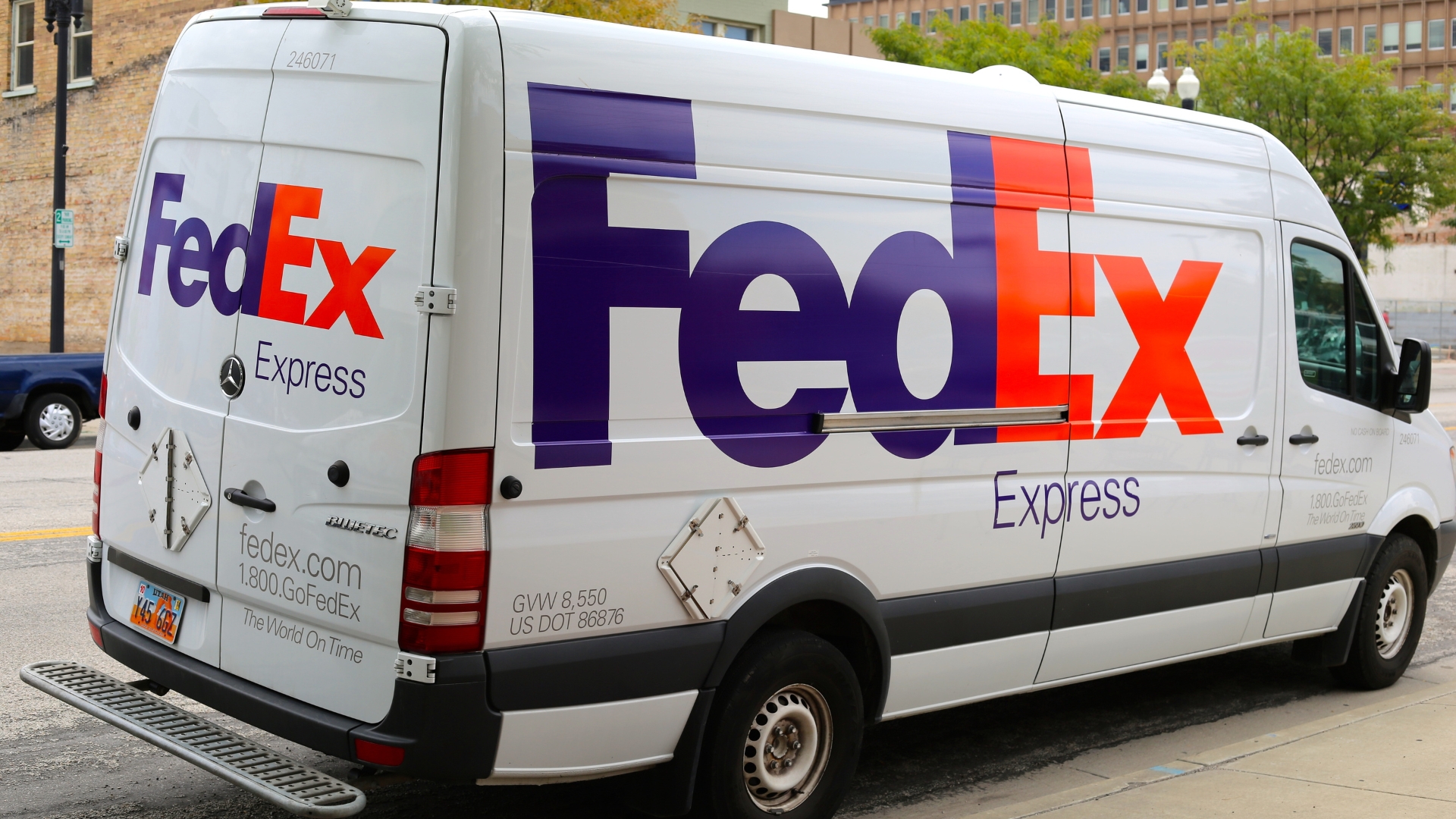
FedEx delivery operations commonly involve contractors handling routes across Georgia. The truck may display FedEx branding clearly, yet another company may technically employ the driver or own the vehicle involved in the crash.
That structure creates confusion after collisions on roads like Barrett Parkway, Jimmy Carter Boulevard, or GA-316. Injured drivers often wonder why multiple insurers suddenly appear after what seemed like a straightforward wreck.
What Attorneys Review In Contractor Liability Investigations
FedEx delivery truck accident attorneys in Georgia examine route supervision records, hiring practices, delivery expectations, training procedures, dispatch communications, and operational control documents. These records help determine who exercised authority over the driver and vehicle.
A contractor relationship alone does not automatically shield larger companies from liability. The investigation often focuses on who controlled safety practices, scheduling demands, and daily delivery operations tied to the crash.
Why Commercial Policies Require Detailed Review
Commercial delivery crashes may involve layered insurance structures with multiple coverage sources. One policy may apply to the contractor. Another may involve vehicle ownership coverage. Additional excess policies may exist above those amounts.
Without investigation, injured drivers may never learn the full coverage picture connected to the crash. Commercial insurers rarely volunteer that information immediately.
Why Insurance Companies Challenge Serious Injury Claims Aggressively
High-value truck accident claims receive much heavier scrutiny than minor passenger vehicle collisions. Commercial insurers may hire reconstruction teams, medical reviewers, and investigators early during the claim process.
That response becomes more common after spinal injuries, traumatic brain injuries, surgeries, permanent impairments, or wrongful death claims. The larger the financial exposure, the more aggressively carriers often defend the case.
Why Former Trucking Defense Experience Matters In FedEx Cases
Alfred Evans spent years handling trucking and insurance defense matters before representing injured people across Georgia. That background helps reveal how commercial carriers evaluate risk, dispute claims, and prepare defense strategies after serious delivery truck crashes.
Many people contact FedEx delivery truck accident attorneys in Georgia, Evans Litigation and Trial Law, after feeling frustrated with insurer tactics during the first weeks after the collision. They often realize the insurance company already understands the trucking system better than they do.
How Defense Side Experience Changes Case Preparation
Former defense experience can help attorneys recognize the types of arguments commercial insurers raise repeatedly in truck accident litigation. Insurers may argue the injured driver reacted improperly, failed to avoid impact, exaggerated symptoms, or carried pre-existing medical issues.
A strong investigation addresses those arguments before litigation develops fully. Attorneys may secure surveillance footage, black box data, witness interviews, and medical documentation early instead of waiting for disputes to grow larger.
Why Commercial Carriers Focus On Comparative Negligence
Georgia follows modified comparative negligence rules, and commercial insurers use that law aggressively during settlement discussions. They often attempt to shift partial blame onto the injured driver to reduce financial exposure.
For example, an insurer may claim the injured person changed lanes too quickly near I-75, stopped suddenly near a delivery vehicle, or failed to maintain proper following distance. Attorneys investigate physical evidence carefully before accepting those claims at face value.
How Truck Accident Attorneys Challenge Blame Shifting Tactics
Crash scene evidence frequently tells a more complete story than early insurer summaries. Attorneys may examine vehicle crush damage, roadway markings, impact angles, electronic speed data, and witness accounts to reconstruct the collision sequence accurately.
A delivery truck making repeated route stops may create dangerous conditions for nearby drivers. Sudden turns, abrupt braking, blocked lanes, and unsafe backing patterns often contribute to crashes involving FedEx delivery vehicles.
Why Witness Statements Matter In Georgia Delivery Truck Cases
Witnesses sometimes disappear quickly after commercial vehicle crashes. A nearby driver, warehouse employee, or pedestrian may observe the collision clearly yet leave before investigators gather contact information.
Attorneys often move quickly to identify and interview witnesses before memories fade. Independent witness accounts can become valuable when insurers dispute lane movement, traffic signals, speed, or driver conduct.
Why People Call Attorneys After Delayed Injury Symptoms Appear
Some injured drivers do not contact attorneys immediately after the crash. They attempt to handle the insurance process independently at first. Then symptoms begin interfering with work, sleep, movement, and daily routines weeks later.
This pattern appears often after FedEx delivery truck accidents involving rear-end impacts or side collisions. The body may absorb significant force even when vehicle damage looks moderate initially.
Why Concussion Symptoms Often Develop Slowly
A driver struck by a delivery truck may experience dizziness, concentration problems, nausea, fatigue, or migraines several days after the crash. These symptoms may indicate concussion trauma or more serious brain injuries.
Commercial insurers often question delayed treatment aggressively. Medical documentation, neurological evaluations, and symptom progression records help connect these injuries to the collision directly.
Why Orthopedic Injuries Interrupt Daily Work Activities
Shoulder tears, spinal trauma, knee injuries, and hip damage often prevent people from returning to physical work quickly. Georgia workers in healthcare, construction, logistics, manufacturing, and transportation frequently face extended recovery periods after truck accidents.
Some injured people attempt to return to work too soon and worsen their condition. Others lose overtime opportunities, advancement potential, or physical job capacity during recovery.
Why Long Recovery Periods Affect Entire Families
Truck accident injuries often impact household routines far beyond medical appointments. Parents may struggle lifting children, driving regularly, cooking meals, or managing basic daily responsibilities during recovery.
A person recovering from spinal surgery after a FedEx delivery truck accident may require months of physical rehabilitation and restricted movement. Those limitations can affect income stability, family schedules, and long-term career planning.
Why Trial Preparation Influences Settlement Negotiations
Commercial insurers evaluate claims differently once they see detailed preparation and preserved evidence. A thoroughly prepared case can shift negotiation dynamics significantly during settlement discussions.
FedEx delivery truck accident attorneys in Georgia often prepare claims with litigation in mind from the beginning. That approach helps preserve evidence early and limits opportunities for insurers to reshape the facts later in the process.

Call FedEx Delivery Truck Accident Attorneys in Georgia: Evans Litigation and Trial Law After A Crash – Get a Free Case Review
Evans Litigation and Trial Law can review the crash, preserve key evidence, and examine every responsible party connected to the delivery route, driver, contractor, truck, and insurance coverage.
Alfred Evans brings former trucking and insurance defense experience to Georgia truck accident claims. That background helps our firm anticipate blame-shifting, low settlement pressure, and disputes over injury severity. If a FedEx delivery driver hit you in Georgia, call (678) 613-2797 or contact us today. Your next step should protect your health, your claim, and your family’s financial stability. Evans Litigation and Trial Law is ready to help you understand what happened and what options may apply.
Practice Areas
Trust Us With Your Personal Injury Claim
If you or a loved one have been injured, Goldberg & Loren will fight for you every step of the way. We will give our all to secure the compensation you rightfully deserve.



Contact usfor a free consultation.
Phone: (304) 449-5157