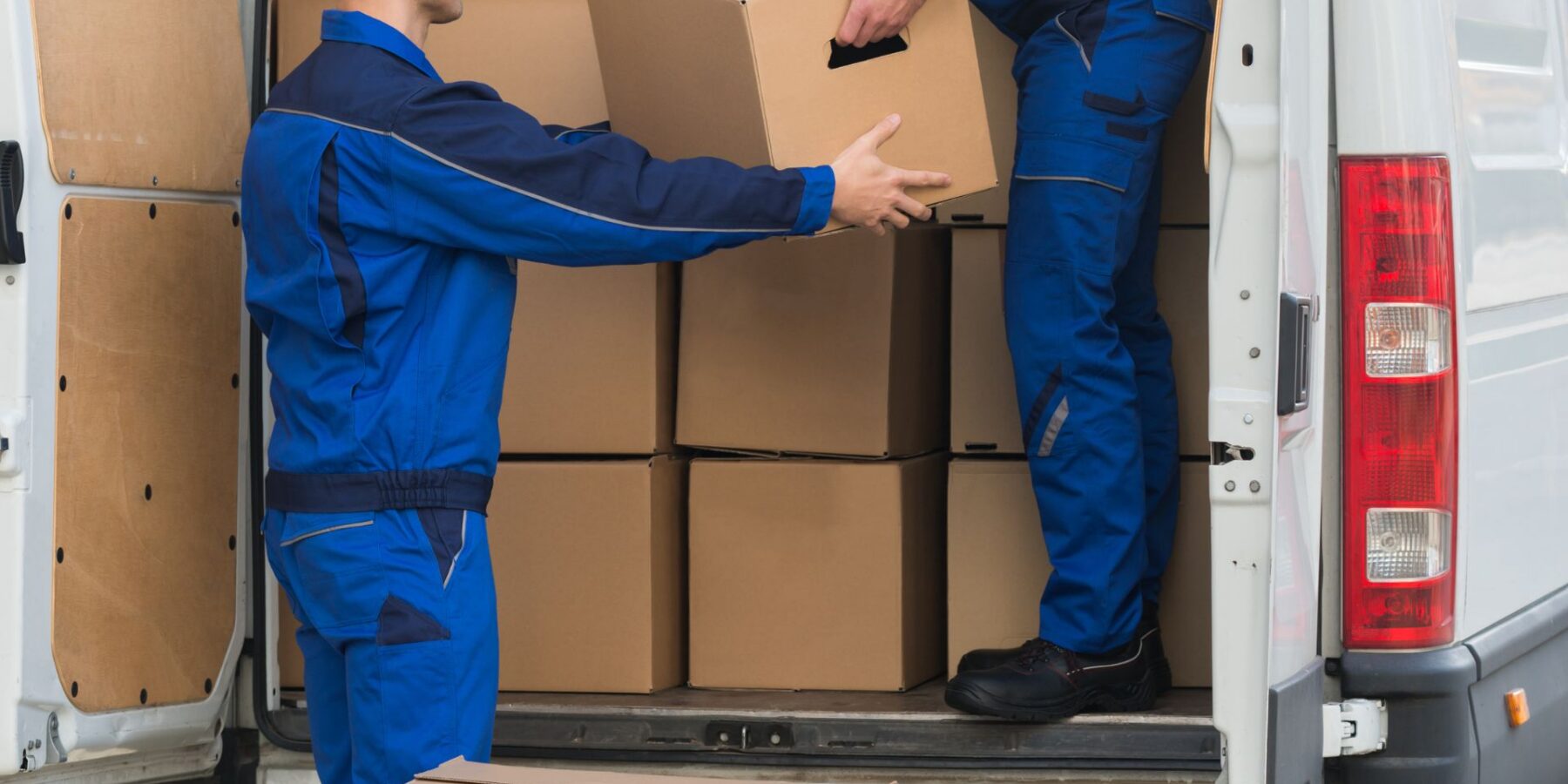
Delivery Truck Accident Attorneys in Savannah
A truck crash in Savannah involving a box truck, delivery van, parcel carrier, or commercial fleet vehicle can leave you with injuries that disrupt work, family life, and medical stability. These claims often move fast after impact, especially when a company insurer starts collecting statements and reviewing damage. Delivery truck accident attorneys in Savannah can help protect your claim before evidence fades or a carrier shifts blame. Call (678) 613-2797 to speak with Evans Litigation and Trial Law.
Evans Litigation and Trial Law helps injured people pursue claims after commercial vehicle crashes across Georgia. Alfred Evans & team review driver conduct, company policies, maintenance records, electronic data, witness accounts, medical records, and available insurance coverage. That work can make a major difference when a delivery company denies fault or tries to reduce the value of your injuries. If a Savannah delivery truck crash left you hurt, the firm can investigate what happened and help you seek compensation for medical bills, lost income, pain, and long-term harm.
Can Delivery Truck Accident Attorneys in Savannah Sue Large Delivery Companies
Yes. Delivery truck accident attorneys in Savannah, Evans Litigation and Trial Law, in Savannah can sue large delivery companies when the evidence shows that the company, its contractor network, or its safety practices contributed to the crash. The driver may have caused the impact, yet the legal case often looks deeper than the moment of collision. A delivery company may share fault if it controlled the route, pushed unsafe deadlines, failed to train the driver, ignored maintenance problems, or placed an unsafe vehicle on Savannah roads.
This matters because large delivery companies often use layered business structures. One company may display the brand name, another may own the truck, another may employ the driver, and another may manage local deliveries. After a crash near Abercorn Street, President Street, Bay Street, Dean Forest Road, or port-connected freight routes, those details can decide who pays and which insurance policies apply.
A stronger claim starts by identifying who had control before the wreck happened. Investigators may review dispatch records, driver qualification files, route data, maintenance logs, contractor agreements, and delivery deadlines. Alfred Evans & team examine those records because a crash report rarely tells the full story in a commercial vehicle case. The real question is not only who hit you, but who created the conditions that made the crash more likely.
Why Corporate Delivery Systems Matter in Savannah Truck Accident Claims
Large delivery companies rely on corporate delivery systems built around speed, route completion, and volume. Drivers often receive route updates through handheld devices or dispatch software that tracks timing throughout the day. Those systems can create unsafe pressure during heavy Savannah traffic, especially near downtown delivery zones, tourist areas, industrial corridors, and commercial intersections surrounding the port.
Investigators may review route timing data to determine whether a company expected drivers to complete unrealistic delivery schedules. A driver attempting to recover lost time may speed through yellow lights, follow vehicles too closely, rush lane changes, or back into crowded loading areas without proper visibility. These actions become even more dangerous on roads crowded with tourists, local commuters, cyclists, and pedestrians.
How Delivery Deadlines Create Unsafe Driving Conditions
Delivery schedules often look manageable on paper, yet Savannah traffic conditions can quickly change throughout the day. Port congestion, downtown tourism traffic, train crossings, bridge slowdowns, and warehouse activity can leave drivers behind schedule early in a route. Some companies still expect completion targets despite those delays.
A delivery driver who feels pressure to avoid disciplinary action may skip breaks, ignore fatigue, or rush through neighborhoods to recover lost time. These patterns matter during litigation because company dispatch records, GPS tracking data, and driver communications may show whether unsafe expectations contributed to the collision.
Why Time Tracking Data Becomes Important Evidence
Most commercial delivery vehicles now operate with tracking systems that record location, route movement, stop duration, and timing activity throughout the day. Those systems can reveal whether a driver fell behind schedule before the crash occurred. They may also show sudden speeding activity, abrupt braking patterns, or route changes immediately before impact.
This evidence becomes valuable when a company denies responsibility or claims the driver acted independently. A detailed route timeline can help show whether company demands placed unsafe pressure on the driver before the collision happened on Savannah roads.
How Route Data Can Change a Delivery Truck Case
Route data sometimes reveals that a driver attempted to complete far more deliveries than reasonably possible within a scheduled shift. That evidence can strengthen claims involving fatigue, distracted driving, or reckless operation. It can also help explain why a delivery driver ignored traffic conditions or failed to react safely before impact.
Evans Litigation and Trial Law examines route records alongside crash evidence, driver statements, and electronic data. This investigation helps connect company operations directly to the events leading up to the collision.
When Delivery Companies Become Responsible for Driver Conduct
A delivery company may share fault when the crash traces back to choices made before the driver ever reached the road. For example, a company may hire a driver with a poor safety record, skip meaningful training, ignore brake complaints, or push a route schedule that leaves no room for Savannah traffic. In those situations, the case is not only about how the driver handled the truck. It is also about whether the company put the public at risk through its own decisions.
Contractor labels can make these cases harder, but they do not always protect a delivery company. The real question is who controlled the work. If a company assigned the route, tracked delivery times, required certain procedures, monitored driver performance, or controlled vehicle standards, that control may become important evidence. Evans Litigation and Trial Law looks at those details to determine whether a large delivery company helped create the conditions that caused the crash.
How Driver Classification Disputes Affect Savannah Injury Cases
A delivery company may claim it cannot be sued because the driver worked for an independent contractor. That argument does not always end the investigation. The actual working relationship often matters more than the label used in paperwork.
Investigators may examine who assigned deliveries, who controlled scheduling, who monitored route performance, and who imposed safety requirements. Those details can reveal whether a larger company maintained operational control over the driver despite contractor classifications.
Why Corporate Control Often Matters More Than Job Titles
A company that controls delivery timing, monitors routes in real time, imposes appearance requirements, tracks productivity, and disciplines drivers may still influence unsafe conduct on the road. This becomes especially important in Savannah delivery truck crashes involving national retail brands and subcontracted fleet operators.
Evidence showing direct operational control can strengthen claims against larger companies with broader insurance coverage and deeper involvement in the delivery process.
How Delivery Apps and Dispatch Systems Affect Liability
Modern delivery systems rely heavily on mobile applications and dispatch software. Drivers may receive instructions, route updates, deadlines, and delivery pressure through company-controlled systems throughout the day. These platforms can create distractions and unsafe decision-making during active driving.
Digital records from dispatch applications sometimes reveal whether a driver interacted with the system moments before impact. Those records can become central evidence in distracted driving investigations involving commercial delivery fleets.
Why Maintenance Failures Lead to Savannah Delivery Truck Lawsuits
Commercial delivery vehicles experience constant wear from daily routes, stop-and-go traffic, cargo loading, and heavy mileage. Brake systems, tires, steering components, backup cameras, and lighting systems require regular inspection to keep trucks safe on Savannah roads. A company that delays repairs or ignores maintenance warnings may place unsafe vehicles into active service.
Maintenance issues become especially dangerous in high-traffic areas near downtown Savannah and freight corridors tied to the port. A truck with worn brakes or damaged tires may lose stopping ability during congested traffic conditions, increasing the likelihood of severe crashes.
What Maintenance Records Can Reveal After a Truck Crash
Maintenance logs often show whether a company delayed repairs before the collision occurred. Service records may reveal repeated complaints involving brakes, steering problems, tire wear, transmission issues, or lighting failures that remained unresolved before the crash.
Repair records can also identify outside maintenance vendors who serviced the vehicle. In some cases, liability may extend beyond the delivery company if negligent repairs contributed to unsafe truck operation.
Why Inspection Violations Matter in Commercial Truck Cases
Commercial vehicles must meet safety standards before operating on public roads. Inspection failures can indicate broader safety problems within a delivery fleet. A pattern of ignored maintenance issues may support claims that the company placed speed and productivity ahead of public safety.
Truck inspection evidence can strengthen negotiations during settlement discussions. Insurance companies often respond differently when maintenance failures reveal preventable safety risks before the crash occurred.
How Poor Fleet Maintenance Increases Injury Severity
Mechanical failures often increase crash severity. A truck that cannot brake properly or maintain steering control may strike multiple vehicles, enter intersections at unsafe speeds, or lose control during lane changes. These collisions frequently cause catastrophic injuries due to the size and weight of commercial delivery vehicles.
Delivery truck accident attorneys in Savannah, Evans Litigation and Trial Law, review inspection reports, repair invoices, maintenance schedules, and vehicle service history to determine whether poor fleet maintenance contributed to the collision.
Why Insurance Coverage Gets Complicated in Delivery Truck Cases
Insurance companies sometimes argue over which policy applies first. During those disputes, injured people may struggle to obtain payment for medical treatment, vehicle losses, and missed income. Delivery truck accident attorneys in Savannah investigate policy layers early to identify available coverage before insurers attempt to limit exposure.
How Corporate Insurance Teams Respond After Serious Savannah Crashes
Large delivery companies often activate rapid response investigations immediately after severe collisions. Investigators may inspect the truck, interview the driver, secure digital records, and begin building defenses within hours of the crash. Some companies move quickly to preserve evidence that helps them while injured drivers remain hospitalized.
This early response creates an uneven playing field for injured people who do not yet know what evidence exists. Alfred Evans & team work to preserve black box data, route records, maintenance files, surveillance footage, and witness statements before critical information disappears.
Why Early Evidence Preservation Changes Truck Accident Cases
Truck accident evidence can disappear quickly after a commercial crash. Delivery vehicles may return to service, digital systems may overwrite records, and surveillance footage may get deleted within days. Fast legal action often determines whether valuable evidence remains available later.
Preservation letters can help secure important records tied to company operations, driver conduct, and vehicle condition. That process often becomes critical in Savannah delivery truck litigation involving serious injuries and disputed liability.
How Evans Litigation and Trial Law Investigates Delivery Company Liability
Evans Litigation and Trial Law approaches delivery truck claims by examining the entire delivery operation instead of focusing only on the crash itself. Alfred Evans & team analyze dispatch systems, maintenance records, route expectations, electronic data, hiring practices, and company oversight to identify how corporate decisions affected roadway safety.
This approach matters in Savannah, where delivery traffic intersects with tourism congestion, freight movement, local commuting routes, and dense commercial activity. Thorough investigation can reveal facts that insurance companies may prefer to keep hidden after a serious delivery truck collision.
How Long Do Savannah Delivery Truck Accident Claims Usually Take
Most Savannah delivery truck accident claims take several months or longer, but the timeline depends on the facts. A claim may move faster when the delivery company accepts fault, the injuries heal predictably, and one insurance policy applies. It often takes longer when several companies dispute control of the truck, the injured person needs surgery, or insurers argue over which policy must pay.
A useful way to think about timing is this:
- Clear liability and short medical treatment may support a faster claim
- Disputed fault can add months of investigation
- Serious injuries often require more time before damages become clear
- Multiple insurers can delay settlement discussions
- Litigation may extend the case if the company refuses a fair resolution
Savannah truck accident cases can take more time near port and warehouse routes because commercial carriers often bring in defense teams quickly. Crashes on Chatham Parkway, Jimmy DeLoach Parkway, Highway 21, I-16, and I-95 may involve fleet records, dispatch data, black box downloads, maintenance files, and route schedules. Alfred Evans & team review those records early so the case does not depend only on the crash report. The main goal is to move the claim forward without settling before the full medical, financial, and legal picture becomes clear.
What Happens During the First Weeks After a Savannah Truck Crash
The first few weeks after an accident in Georgia often shape the direction of the entire claim. During this period, medical providers diagnose injuries, insurers gather statements, delivery companies review internal records, and investigators examine the crash scene. Important evidence may disappear quickly if no one moves to preserve it.
Many injured drivers do not realize how fast commercial insurers respond after a serious collision. A delivery company may inspect the truck within hours, secure electronic records, interview the driver, and review route data before the injured person even leaves the hospital. Early legal investigation helps preserve evidence before trucks return to service or digital records get overwritten.
Why Medical Treatment Affects Claim Timing
Medical treatment often controls the pace of a delivery truck injury claim. Doctors need time to evaluate spinal injuries, traumatic brain injuries, nerve damage, orthopedic trauma, and long-term physical limitations before anyone can fully calculate future losses. Insurance companies frequently wait to see whether injuries improve before discussing meaningful settlement figures.
A rushed settlement can create serious financial problems later. Someone dealing with ongoing surgeries, rehabilitation, or permanent mobility limitations may not yet understand the full cost of future treatment during the early stages of the case. Delivery truck accident attorneys in Savannah often wait until medical progress becomes clearer before entering major settlement negotiations.
Why Delayed Treatment Can Slow a Truck Accident Claim
Insurance companies closely examine treatment gaps after commercial vehicle crashes. Delayed medical care may allow insurers to argue that injuries came from another event or were not serious enough to require immediate attention. These arguments often slow negotiations and increase disputes about damages.
Emergency room records, follow-up appointments, diagnostic imaging, specialist evaluations, and physical therapy notes all become important evidence during a Savannah truck accident claim. Consistent treatment creates a timeline that connects the injuries directly to the collision.
How Serious Injuries Extend Commercial Truck Litigation
Severe injuries often require long recovery periods before doctors can estimate future medical needs. A person recovering from spinal surgery or traumatic brain trauma may need months of treatment before reaching maximum medical improvement. Until that point, both sides may disagree about future costs and permanent limitations.
This issue commonly appears after delivery truck crashes involving highway speeds near I-16 or I-95. High-impact commercial vehicle collisions frequently produce injuries that require extensive rehabilitation and long-term care planning.
Why Delivery Truck Insurance Companies Delay Cases
Commercial insurers often spend significant time investigating large delivery truck claims before offering settlements. Claims involving catastrophic injuries, wrongful death allegations, or disputed liability may trigger extensive internal review by the delivery company and its insurance carriers. Insurers know these cases can involve substantial financial exposure.
Delay tactics can become especially aggressive when several insurers dispute which company should pay. Georgia commercial carriers must carry specific levels of insurance coverage, and those requirements can affect how claims are handled after a serious truck collision. Georgia DOT insurance requirements may become important when delivery companies and insurers argue over liability and coverage.
How Multiple Insurance Policies Affect Settlement Timing
Delivery truck crashes frequently involve several insurance carriers tied to different parts of the delivery operation. One insurer may represent the truck owner, another may cover the contractor employing the driver, and another may insure the national delivery brand connected to the route. These overlapping policies can create disputes that slow the case.
Insurance companies sometimes spend months arguing over policy responsibility before negotiations seriously begin. During that period, injured people may still need ongoing treatment, vehicle repairs, and income replacement. Evans Litigation and Trial Law investigates insurance structures early to identify available coverage before insurers shift blame between companies.
Why Recorded Statements Can Hurt Injury Claims
Insurance adjusters often contact injured people quickly after a Savannah delivery truck crash. They may ask for recorded statements before the injured person fully understands the severity of the injuries or the details of the investigation. These conversations can affect the timeline and value of the case later.
A person dealing with pain medication, stress, or confusion after a collision may unintentionally make inaccurate statements about speed, injuries, visibility, or fault. Commercial insurers sometimes use those early comments to challenge claims during negotiations.
How Early Investigation Helps Prevent Delays
Fast investigation can reduce disputes before they grow into larger problems. Witness interviews, surveillance footage, black box downloads, route records, and crash scene evidence become harder to obtain as time passes. Early preservation of these materials often helps move negotiations forward more efficiently later.
Alfred Evans & team investigate delivery truck crashes with litigation preparation in mind from the beginning. This approach helps identify liability disputes early and prevents delivery companies from controlling critical evidence without challenge.
When Savannah Delivery Truck Claims Move Into Litigation
Some delivery truck claims settle during negotiations. Others require formal litigation after insurers refuse reasonable settlement discussions or deny liability entirely. Litigation usually extends the timeline, yet it may become necessary when commercial insurers undervalue severe injuries or dispute fault.
A lawsuit allows delivery truck accident attorneys in Savannah to obtain records through formal discovery procedures. This process may include depositions, company document requests, maintenance files, driver histories, dispatch records, and electronic data tied to the delivery operation. These materials can reveal facts that insurers refused to disclose voluntarily during early negotiations.
Why Discovery Takes Time in Truck Accident Cases
Commercial truck litigation often involves large amounts of technical evidence. Delivery truck accident attorneys in Savannah may review maintenance logs, route tracking systems, corporate safety manuals, hiring records, inspection histories, and electronic driving data tied to the truck involved in the crash. Organizing and analyzing this information takes time.
Expert witnesses may also become necessary during litigation. Accident reconstruction specialists, medical professionals, trucking safety consultants, and financial experts may evaluate different parts of the case before trial preparation moves forward.
How Depositions Affect the Timeline
Depositions allow delivery truck accident attorneys in Savannah to question drivers, company representatives, investigators, and witnesses under oath. Scheduling these interviews can take months in complex truck accident litigation involving multiple companies and insurers. The information gathered during depositions often changes the direction of settlement negotiations.
A company representative may admit knowledge of prior safety violations, maintenance problems, or unrealistic delivery quotas during sworn testimony. These admissions can significantly affect the value and strategy of the case.
Why Trial Preparation Often Increases Settlement Pressure
Delivery companies frequently defend claims aggressively during the early stages of litigation. Their position may change once trial preparation exposes damaging evidence involving driver conduct, maintenance failures, or unsafe company policies. Strong preparation often creates pressure for more serious settlement discussions.
Evans Litigation and Trial Law prepares Savannah delivery truck accident claims as though they may proceed to trial. We analyze commercial records, investigate company practices, review medical evidence, and build organized timelines that support the injured person’s claim throughout litigation.
What Injured People Can Do to Help Their Case Move Forward
Certain actions can help prevent delays during a Savannah delivery truck accident claim. Consistent medical treatment, organized records, documented expenses, and careful communication all support a smoother process. Missing appointments, ignoring treatment recommendations, or discussing the case publicly may create unnecessary complications.
Photos of injuries, damaged vehicles, prescription costs, mileage records, and missed work documentation can strengthen the claim over time. Detailed records help establish how the collision affected daily life and financial stability after the crash.
Why Communication Matters During Long Truck Accident Claims
Delivery truck cases sometimes continue longer than injured people expect. Ongoing communication helps clients understand what evidence investigators are reviewing, what disputes insurers raised, and what steps remain before negotiations or litigation progress further.
Savannah truck accident claims often involve changing medical conditions and evolving evidence. A case that appeared straightforward during the first month may become more complex after additional injuries surface or company records reveal disputed facts about the delivery operation.
How Settlement Timing Changes From Case to Case
Some commercial truck cases resolve quickly after liability becomes clear and injuries stabilize. Others continue for much longer when catastrophic injuries, permanent disabilities, wrongful death allegations, or multiple corporate defendants become involved. No attorney can ethically guarantee an exact timeline at the beginning of the case.
The strongest results often come from careful preparation rather than rushed settlements. Delivery truck accident attorneys in Savannah must balance fast progress with thorough investigation, complete medical evidence, and accurate financial analysis before resolving serious injury claims.
How Evans Litigation and Trial Law Handles Savannah Truck Accident Timelines
Evans Litigation and Trial Law approaches delivery truck claims with a detailed investigation strategy built around evidence preservation, medical documentation, and litigation readiness. Alfred Evans & team examine delivery records, company conduct, insurance coverage, and injury evidence while preparing each case for the possibility of formal litigation.
This approach matters after serious Savannah truck crashes involving port traffic, warehouse delivery routes, commercial intersections, and high-speed highway collisions. Thorough preparation often places injured people in a stronger position during negotiations with large delivery companies and commercial insurers.

Call Delivery Truck Accident Attorneys in Savannah – Evans Litigation and Trial Law – Get a Free Case Review
A delivery truck crash can leave injured drivers dealing with surgeries, rehabilitation, missed income, vehicle damage, and constant pressure from commercial insurance companies. Evans Litigation and Trial Law handles Savannah delivery truck accident claims with a detailed investigation process focused on commercial vehicle evidence, company conduct, and long-term financial impact. Alfred Evans & team review dispatch records, maintenance histories, driver qualifications, electronic tracking data, and insurance coverage to determine how the collision happened and which companies may share responsibility.
If a delivery truck crash injured you or someone in your family, Evans Litigation and Trial Law can review your situation and explain the next steps available under Georgia law. Call (678) 613-2797 today or contact us to speak with the firm about your Savannah delivery truck accident claim.
Practice Areas
Trust Us With Your Personal Injury Claim
If you or a loved one have been injured, Goldberg & Loren will fight for you every step of the way. We will give our all to secure the compensation you rightfully deserve.
Contact usfor a free consultation.
Phone: (304) 449-5157