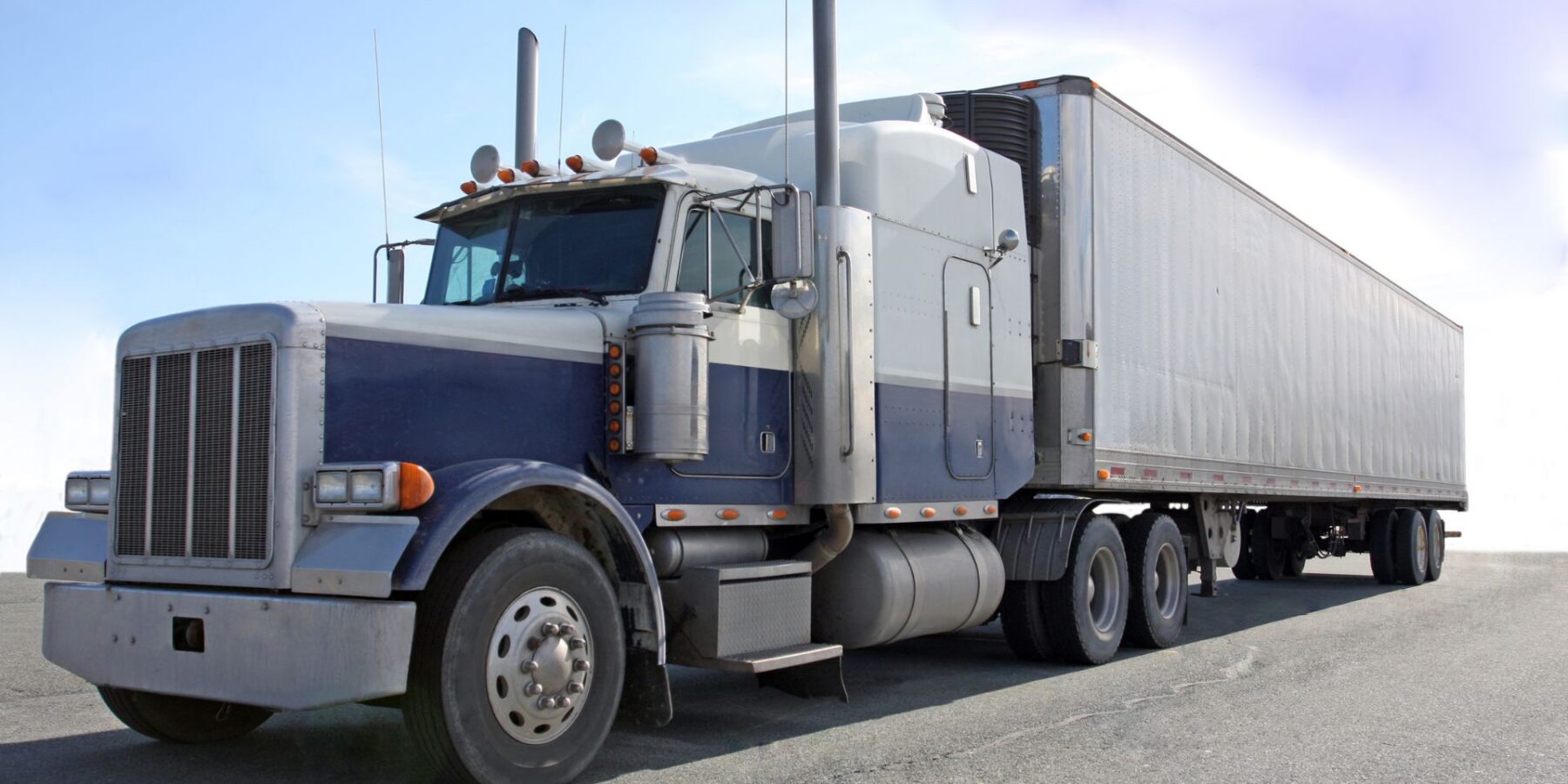
18-Wheeler Accident Attorneys in Columbus
A serious 18-wheeler truck crash in Columbus on I-185, J.R. Allen Parkway, U.S. 27, or Veterans Parkway can turn into a fight over medical care, lost income, and insurance blame. Large commercial trucks carry weight, momentum, and corporate insurance coverage that create legal issues far beyond a standard car wreck. The Georgia Governor’s Office of Highway Safety provides statewide crash data and safety reports that show why roadway risk remains a major public concern across Georgia. For injured people searching for 18-wheeler accident attorneys in Columbus, the real question often becomes who can protect the evidence before the trucking company controls the story.
Evans Litigation and Trial Law helps injured people and families after serious commercial truck accidents in Columbus and across Georgia. Alfred Evans and team understand how trucking companies, insurers, and defense investigators review these claims from the start. That perspective matters after a tractor-trailer crash near Downtown Columbus, Fort Moore traffic, Midland, Bibb City, or the roads connecting Muscogee County with Phenix City.
A strong 18-wheeler claim starts with fast action, careful evidence review, and a legal strategy built around the full harm caused by the crash. Columbus truck accident cases may involve driver fatigue, unsafe lane changes, poor maintenance, overloaded trailers, broker issues, or company safety failures. The right legal approach looks past the police report and studies the driver, the carrier, the truck, the route, the cargo, and the insurance layers. Evans Litigation and Trial Law brings a focused Georgia truck accident approach to these claims, with attention to proof, timing, and the pressure injured victims face after a life-changing collision. Call (678) 613-2797 to speak with us and get a free consultation.
What Should You Do After an 18-Wheeler Accident in Columbus
The first week after a truck crash can shape the direction of the claim more than most people realize. Injured people should keep medical appointments, save discharge papers and billing records, document missed work, photograph visible injuries, preserve vehicle damage photos, and avoid posting about the crash online. Medical records, witness accounts, dispatch logs, black box downloads, road conditions, and electronic driving data may become major issues if the collision caused a traumatic brain injury, spine injury, severe fractures, or long-term mobility problems.
18-wheeler accident attorneys in Columbus, Evans Litigation and Trial Law, understand how trucking carriers review commercial vehicle collisions and how quickly companies begin protecting themselves after a major wreck. That matters when a crash involves a delivery truck, logging truck, box truck, fuel hauler, refrigerated trailer, or interstate freight carrier traveling through Muscogee County. People searching for 18-wheeler accident attorneys in Columbus often need immediate help with medical treatment, insurance calls, vehicle damage, missed work, and evidence preservation before the trucking company controls the claim.
Call Emergency Services From the Crash Scene
A truck accident scene can become dangerous within minutes. Commercial trucks may block multiple lanes, spill cargo, leak fuel, or create chain reaction crashes involving several vehicles. Calling 911 creates an official response that may later help establish the timeline of the collision and the condition of everyone involved.
Police officers responding near Veterans Parkway, Macon Road, or the Highway 80 corridor may document driver statements, weather conditions, skid marks, road debris, and possible traffic violations. Emergency medical personnel may identify injuries that victims do not immediately notice after the adrenaline of impact fades. Many people walk away from a truck wreck believing they escaped serious harm, then develop dizziness, headaches, numbness, or back pain hours later.
Why Commercial Truck Police Reports Matter
Truck accident reports often contain more detail than ordinary crash reports. Officers may identify the trucking company, the USDOT number, trailer information, hazardous cargo markings, and whether federal transportation rules may apply to the crash. That information can help identify additional parties connected to the collision.
Commercial truck crashes sometimes involve out-of-state carriers moving freight through Columbus toward Atlanta, Alabama, or Florida shipping routes. If the report lists incorrect information or incomplete vehicle ownership details, later investigation may become more difficult. Early review helps identify problems before insurers begin disputing responsibility.
Why Truck Driver Statements Can Change Later
Truck drivers often speak to dispatch supervisors or insurance representatives shortly after a crash. In some cases, later statements differ from what witnesses heard at the scene. A driver who initially admitted fatigue or distraction may later deny responsibility after speaking with company investigators.
That issue becomes more important in crashes involving sudden lane changes, underride collisions, wide turns, or rear-end impacts near traffic bottlenecks around Exit 10 or Exit 12 along I-185. Preserving witness accounts early may help clarify what actually happened before memories shift.
Seek Immediate Medical Treatment After a Columbus Truck Crash
Medical treatment protects both your health and the strength of your injury claim. Commercial truck collisions place enormous force on passenger vehicles, especially smaller sedans and SUVs. Even low-speed impacts with fully loaded tractor-trailers can cause herniated discs, shoulder injuries, rib fractures, nerve damage, or internal bleeding.
Emergency rooms in the Columbus area may identify symptoms that do not appear immediately after the collision. Head trauma symptoms often develop gradually. A victim may experience blurred vision, concentration problems, nausea, memory loss, or sensitivity to light several hours after leaving the scene.
Why Delayed Treatment Creates Problems in Truck Accident Claims
Insurance adjusters often search for treatment gaps after serious truck accidents. If someone waits several days before visiting a doctor, insurers may argue the injuries came from another activity rather than the collision itself. That argument appears frequently in commercial truck injury cases involving back injuries or concussions.
Medical records establish a timeline that connects symptoms directly to the crash. They can show how pain progressed, which body parts suffered trauma, and whether future treatment may become necessary. Strong documentation often matters more than a victim realizes during settlement negotiations.
Why Follow Up Care Matters After Severe Truck Collisions
Truck accident injuries often evolve. Someone may initially focus on visible bruising or soreness, then later discover spinal disc injuries, shoulder tears, or nerve complications that require extensive treatment. Follow-up care helps doctors monitor those changes before conditions worsen.
Long-term treatment plans may include orthopedic care, neurological evaluations, injections, surgery consultations, rehabilitation, or pain management. Those future costs can become major parts of a commercial truck accident claim, especially when the victim cannot return to the same type of work.
Preserve Evidence Before the Trucking Company Controls the Investigation
Commercial trucking companies often begin investigating crashes immediately. Some carriers send response teams to major wreck scenes within hours. Those teams may photograph vehicles, inspect road conditions, review driver logs, and communicate with insurance representatives before injured victims fully understand what happened.
That creates a major difference between truck accident claims and ordinary car accident cases. Evidence connected to a tractor-trailer collision may disappear quickly if nobody requests preservation. Electronic logging devices may overwrite data. Nearby surveillance systems may erase footage. Vehicle damage patterns may change after storage or repairs begin.
What Evidence Matters Most After an 18-Wheeler Crash
Truck accident evidence extends far beyond scene photographs. Important records may include black box downloads, dispatch communications, maintenance records, inspection reports, cargo manifests, driver qualification files, and electronic hours-of-service logs. Some crashes even involve weigh station records or GPS tracking information.
These records may reveal whether the driver exceeded legal driving limits, skipped inspections, carried overloaded cargo, or violated company safety policies. In some situations, the evidence may show repeated maintenance issues involving brakes, tires, steering systems, or trailer lighting.
Why Black Box Data Can Become Critical Evidence
Most commercial trucks contain electronic control modules that record operational data before impact. These systems may track speed, braking patterns, throttle position, engine activity, and sudden deceleration. That information can become extremely important in disputed crashes.
For example, a trucking company may claim a passenger vehicle stopped suddenly near the interchange connecting I-185 and U.S. 80. Black box data may instead show the truck driver never applied brakes until one second before impact. That type of detail can change the direction of the case.
Avoid Insurance Traps After a Columbus Tractor-Trailer Collision
Trucking insurers often contact injured people quickly after a crash. The adjuster may sound helpful and calm, yet the company usually begins evaluating ways to reduce claim value immediately. Recorded statements, social media activity, and incomplete medical histories often become tools used against injured victims later.
Many people searching for 18-wheeler accident attorneys in Columbus already suspect the insurer is minimizing the crash. The adjuster may question treatment, suggest shared fault, or pressure the victim into discussing injuries before doctors complete evaluations.
Why Early Settlement Offers Often Benefit the Insurance Company
Fast settlement offers rarely reflect the full impact of catastrophic injuries. Truck accident victims may need future surgery, months of therapy, vocational retraining, or permanent work restrictions. Early offers usually arrive before doctors fully understand long-term complications.
A warehouse employee injured near the Columbus industrial corridor may initially believe they can return to work within weeks. Later imaging may reveal spinal damage requiring surgery and long-term lifting restrictions. Accepting a settlement too early can leave the injured person responsible for future expenses.
Why Social Media Activity Can Affect Truck Injury Claims
Insurance companies sometimes monitor public social media accounts after serious collisions. Photos, videos, or comments may later appear in claim disputes, even when the content does not reflect the victim’s actual condition.
Someone recovering from fractured ribs may post a smiling family photo during a birthday gathering. An insurer may try to use that image to suggest the injuries are minor. That tactic appears frequently in high-value truck accident claims involving long recovery periods.
Contact 18-Wheeler Accident Attorneys in Columbus Before Key Evidence Disappears
Truck accident claims involve layers of evidence that many injured people never realize exist. The driver, carrier, trailer owner, maintenance provider, cargo company, and insurer may all possess records connected to the collision. Delays can make those records harder to recover.
18-wheeler accident attorneys in Columbus, Alfred Evans and team, investigate truck accident cases with attention to trucking regulations, defense strategies, and the technical details that shape serious injury litigation. The goal is to preserve evidence, identify liability issues early, and prevent trucking companies from controlling the narrative surrounding the crash.
How 18-Wheeler Accident Attorneys in Columbus Handle Catastrophic Injury Claims
Catastrophic truck accident claims involve far more than emergency room bills and vehicle repairs. A violent collision with a fully loaded tractor-trailer can alter a person’s ability to work, drive, sleep, walk, or care for family members. Some victims face multiple surgeries within the first year after the crash. Others deal with chronic nerve pain, traumatic brain injuries, or permanent mobility restrictions that continue long after visible injuries heal.
In Columbus, catastrophic truck crashes often happen along freight-heavy corridors where commercial traffic moves between Atlanta, Alabama, and industrial shipping routes across western Georgia. Large trucks create higher-impact collisions than most passenger vehicle wrecks; the force behind an 80,000-pound commercial truck changes the medical and financial stakes immediately.
18-wheeler accident attorneys in Columbus handle these cases by building evidence around long-term harm rather than short-term expenses alone. Alfred Evans and team focus on the medical, financial, and technical details that shape catastrophic injury litigation in Georgia truck accident cases. That process often begins before the injured person fully understands the extent of future treatment needs.
Why Catastrophic Truck Injuries Change Every Part of Daily Life
Many catastrophic injuries create limitations that affect ordinary routines people once handled without difficulty. A person who worked construction near Columbus industrial areas may lose the ability to climb, lift, bend, or operate equipment after spinal trauma. A nurse injured in a tractor-trailer collision may struggle with standing for long shifts after pelvic fractures or nerve damage.
The impact often reaches beyond physical pain. Truck accident victims sometimes lose independence during recovery and rely on family members for transportation, bathing assistance, meal preparation, or medication management. Those changes create stress inside households that already face lost income and treatment costs.
How Brain Injuries Affect Columbus Truck Accident Victims
Traumatic brain injuries appear frequently after severe truck collisions, especially in underride crashes and high-speed interstate impacts. Some symptoms become obvious immediately. Others develop slowly during the weeks following the wreck.
A victim may begin forgetting appointments, struggling with concentration, or experiencing mood changes after a collision with a commercial truck near the I-185 interchange. Family members often notice personality shifts before doctors complete neurological testing. These injuries can interfere with work performance, communication, and relationships long before outward signs appear.
Why Mild Brain Injuries Often Become Serious Later
Insurance companies sometimes minimize mild traumatic brain injuries during early claim discussions. Yet symptoms may worsen after the victim returns to work or daily routines. Bright lights, loud environments, headaches, dizziness, and memory problems can create major limitations over time.
Medical providers may later recommend cognitive therapy, neurological evaluations, speech treatment, or occupational rehabilitation. Those future needs can significantly increase the value and complexity of a catastrophic truck accident claim.
How Spine Injuries Create Long-Term Physical Limitations
Spinal trauma often changes nearly every aspect of physical movement. Herniated discs, fractured vertebrae, spinal cord compression, and nerve injuries can lead to chronic pain and reduced mobility. Some victims lose the ability to return to physically demanding jobs entirely.
Truck accident victims in Columbus frequently report lower back injuries after rear-end collisions involving commercial vehicles. The force of impact may push smaller vehicles forward with enough pressure to damage discs and surrounding nerves. In more severe cases, paralysis or permanent weakness may occur.
Why Future Surgery Costs Matter in Truck Injury Claims
Some spinal injuries require years of treatment before doctors recommend surgery. A victim may initially attempt physical therapy, injections, and pain management before eventually needing spinal fusion or disc replacement procedures.
Those future medical costs often become central issues during settlement negotiations. Catastrophic truck injury claims must account for treatment expected years into the future rather than focusing only on current bills.
How Columbus 18-Wheeler Accident Attorneys Calculate Long-Term Damages
Truck accident claims involving catastrophic injuries require detailed analysis of future losses. A broken arm that heals within months creates very different legal issues than a permanent brain injury or spinal condition. Serious truck crash claims often involve projected medical treatment, long-term wage loss, reduced earning ability, and future home care expenses.
18-wheeler accident attorneys in Columbus review medical records, employment history, treatment plans, and rehabilitation projections when evaluating damages. That process helps identify the full impact of the injury before insurers attempt to close the claim quickly.
Why Lost Earning Capacity Matters After Severe Truck Accidents
Some injured people eventually return to work but lose the ability to earn the same income. A warehouse employee may move into lower-paying administrative work after permanent lifting restrictions. A truck crash victim who once worked overtime shifts may lose those opportunities permanently after neurological complications or chronic pain.
Lost earning capacity focuses on future limitations rather than past missed paychecks alone. This issue becomes especially important for younger victims expected to lose decades of earning potential after a catastrophic commercial truck collision.
How Career Changes Affect Catastrophic Injury Claims
Career disruption often creates financial damage beyond salary loss. Some victims lose retirement contributions, health benefits, promotion opportunities, or professional licenses tied to physical performance requirements.
A Columbus resident injured in a tractor-trailer crash near local shipping corridors may need vocational retraining after doctors prohibit heavy labor work permanently. Those transitions can affect long-term financial stability across entire households.
Why Home Modifications Become Part of Truck Injury Cases
Severe injuries sometimes force families to redesign living spaces. Wheelchair ramps, widened doorways, shower modifications, stair lifts, and mobility equipment can create major costs after catastrophic truck crashes.
These expenses often surprise families during recovery. Medical providers may recommend long-term accommodations once they determine permanent physical limitations. Those future needs can become part of a commercial truck accident damages claim.
How Family Caregiving Changes After Severe Truck Collisions
Catastrophic injuries often shift caregiving responsibilities inside families. A spouse may leave work temporarily to assist with transportation, medication schedules, and physical support during recovery.
Those changes can create secondary financial losses beyond direct medical bills. In-home assistance, rehabilitation equipment, and long-term caregiving demands frequently shape the overall value of severe truck accident claims.
Why Trucking Companies Aggressively Defend Catastrophic Injury Cases
High-value truck accident claims create major financial exposure for commercial carriers and insurers. As injury severity increases, trucking companies often intensify investigations and challenge more aspects of the case. They may dispute medical treatment, argue pre-existing conditions, or claim another driver caused the collision.
Defense teams may review surveillance footage, social media activity, employment records, and prior medical history, searching for information that reduces claim value. Catastrophic truck accident litigation often becomes more aggressive once insurers realize the injuries involve long-term impairment.
How Comparative Fault Arguments Affect Georgia Truck Accident Claims
Georgia follows a modified comparative fault system. Trucking companies often attempt to shift blame onto injured drivers to reduce potential payouts. A carrier may argue the victim changed lanes improperly, followed too closely, or failed to react in time.
These arguments appear frequently after crashes involving lane merges, highway congestion, or bad weather conditions near Columbus traffic corridors. Early investigation helps preserve evidence before insurers build narratives around partial fault claims.
Why Crash Reconstruction Matters in Severe Truck Accident Cases
Accident reconstruction can become critical after catastrophic truck collisions. Investigators may review skid marks, crush damage, electronic control module data, road geometry, surveillance footage, and vehicle positioning to determine exactly how the crash occurred.
In some cases, reconstruction evidence contradicts the trucking company’s version of events entirely. A carrier may claim a passenger vehicle stopped suddenly, yet black box data and scene measurements may reveal excessive truck speed or delayed braking.
How Alfred Evans and Team Approach Catastrophic Truck Injury Litigation
Catastrophic injury claims involving commercial trucks demand extensive preparation and long-term planning. These cases often involve multiple defendants, overlapping insurance policies, technical trucking evidence, and future medical projections extending years beyond the crash date.
18-wheeler accident attorneys in Columbus, Evans Litigation and Trial Law, approach these claims with attention to trucking records, medical documentation, and defense tactics commonly used in Georgia commercial vehicle litigation. Former trucking defense experience provides insight into how carriers evaluate exposure and attempt to limit responsibility after severe roadway collisions.
For many injured people, the biggest mistake happens during the first months after the crash. They underestimate future treatment needs, trust early insurance evaluations, or assume recovery will happen faster than doctors expect. Catastrophic truck accident claims require a broader view of the injury, the recovery timeline, and the financial impact likely to continue well into the future.

Why Call 18-Wheeler Accident Attorneys in Columbus, Evans Litigation and Trial Law – Get a Free Case Review
Evans Litigation and Trial Law represents injured people across Columbus and surrounding Georgia communities who need answers after catastrophic truck accidents involving tractor-trailers, delivery trucks, commercial freight carriers, and other large vehicles. Alfred Evans and team investigate trucking records, preserve critical evidence, and evaluate the long-term impact severe injuries may create for victims and their families.
Truck accident claims often become more complicated than people expect during the first weeks after the wreck. Commercial carriers may dispute fault, challenge medical treatment, or argue that another driver caused the collision. Evans Litigation and Trial Law approaches these cases with attention to trucking regulations, black box evidence, driver logs, and the insurance strategies commonly used after high-value truck injury claims in Georgia. If you suffered injuries in a Columbus truck crash, you can contact us to discuss your case and learn what steps may help protect your claim moving forward. Call (678) 613-2797 to speak with Evans Litigation and Trial Law about your Columbus 18-wheeler accident case today.
Practice Areas
Trust Us With Your Personal Injury Claim
If you or a loved one have been injured, Goldberg & Loren will fight for you every step of the way. We will give our all to secure the compensation you rightfully deserve.



Contact usfor a free consultation.
Phone: (304) 449-5157