
Savannah Truck Accident Lawyers
Savannah sits at the center of Georgia’s freight movement, which means commercial truck crashes often involve larger vehicles, heavier cargo, federal trucking rules, and multiple insurance companies. When a crash involves a loaded semi truck, container hauler, dump truck, or commercial delivery vehicle, injured people often need Savannah truck accident lawyers who understand trucking evidence, insurance coverage, and corporate safety decisions.
A truck wreck can leave you dealing with emergency care, missed work, vehicle loss, pain, and pressure from an insurance adjuster before you know the full cost of your injuries. Evans Litigation and Trial Law helps injured people take control early by identifying liable parties, preserving records, and building claims around facts that trucking companies often protect quickly. Alfred Evans brings a valuable background to these cases, since public attorney profiles describe prior defense work involving trucking companies, truck drivers, and insurers.
Truck accident claims often turn on records that injured people cannot access alone, including driver logs, black box data, inspection records, dispatch notes, maintenance files, hiring records, and cargo documents. That evidence can show fatigue, unsafe scheduling, poor maintenance, improper loading, distracted driving, or a carrier’s failure to follow safety rules. If you were hurt in a Savannah truck crash, call (678) 613-2797 to speak with Savannah truck accident lawyers who can help you protect your claim early.
What To Do After A Truck Accident In Savannah, Georgia
A collision with a truck in Savannah can create problems that do not exist in ordinary car accident cases. Evans Litigation and Trial Law helps injured drivers understand what happens next when commercial trucking companies begin protecting themselves immediately after a serious wreck. Trucking carriers often dispatch investigators within hours, especially after crashes involving severe injuries on Interstate 16, Interstate 95, Dean Forest Road, Augusta Road, or roads surrounding the Port of Savannah. At the same time, injured drivers may still sit in an emergency room without knowing how federal trucking rules, electronic records, and commercial insurance policies affect the case.
The first days after a truck crash often shape the direction of the entire claim. Trucking carriers preserve some records automatically, yet other evidence may disappear quickly if nobody requests it. Camera footage from nearby businesses, dash camera recordings, electronic logging device data, and truck maintenance records can become harder to obtain with every passing day. Savannah truck accident lawyers can step in early to identify where evidence exists and why it matters before the trucking company frames the collision around its own version of events.
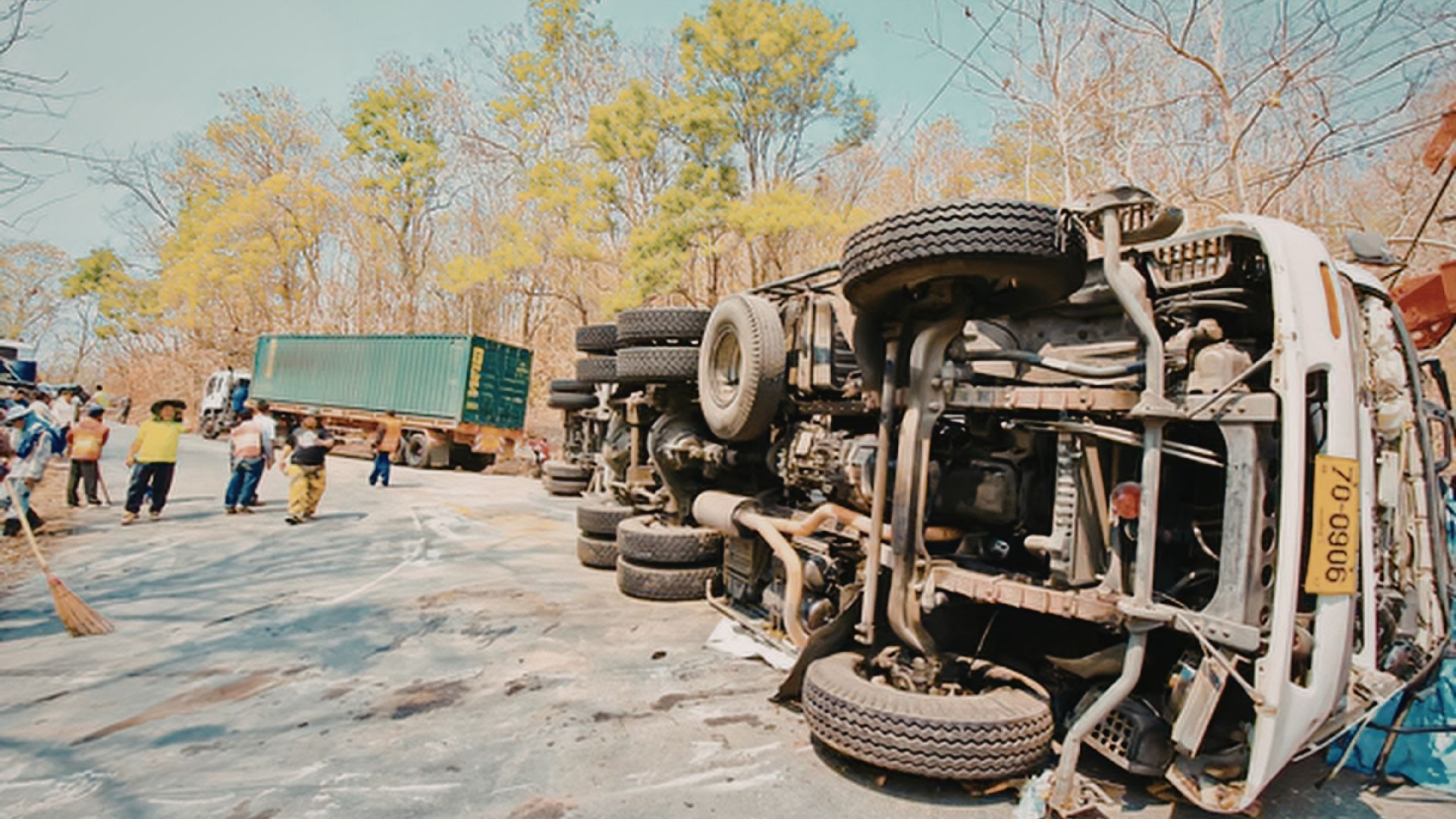
Seek Medical Treatment Before Symptoms Become Worse
Many truck accident injuries do not fully appear at the scene. A driver struck by a loaded commercial truck may initially feel soreness or adrenaline rather than sharp pain. Several hours later, symptoms such as numbness, dizziness, chest pressure, blurred vision, back pain, or abdominal swelling may begin interfering with movement and concentration. Emergency physicians in Savannah often evaluate truck collision victims for head trauma, spinal injuries, internal bleeding, fractured ribs, shoulder injuries, and soft tissue damage. These injuries can become harder to connect to the crash if treatment starts days later. Insurance carriers often review the timeline between the wreck and the first medical visit when they evaluate injury claims.
After a Savannah truck accident, several steps can help protect both your health and your injury claim:
- Get medical treatment immediately, even if pain seems manageable at first
- Call law enforcement so officers can document the crash scene and prepare a report
- Photograph vehicle damage, skid marks, road conditions, injuries, cargo spills, and truck company markings
- Save the truck driver’s information, USDOT number, trailer number, insurance details, and company name
- Avoid giving recorded statements to trucking insurance adjusters before speaking with Savannah truck accident lawyers
- Keep copies of medical records, repair estimates, towing invoices, prescription costs, and missed work documentation
- Contact Evans Litigation and Trial Law quickly so important trucking evidence can be preserved before it disappears
Why Truck Accident Injuries Often Develop Over Time
The force generated by a tractor-trailer collision can push the body in several directions within seconds. Drivers traveling near the Talmadge Bridge, the I-16 interchange, or heavy freight routes near Garden City may experience violent rotational movement during impact. That movement can affect the neck, spine, shoulders, and brain even if the vehicle exterior appears moderately damaged.
Concussions frequently create delayed symptoms. A person may leave the crash scene believing they escaped serious injury, then develop headaches, memory issues, sensitivity to light, nausea, or concentration problems later that evening. Internal injuries may create similar delays, especially after side-impact truck collisions involving underride guards or trailer intrusion.
Why Follow-Up Visits Matter In Savannah Truck Injury Claims
A single emergency room visit rarely tells the full story after a truck wreck. Doctors often need follow-up imaging, neurological evaluations, orthopedic reviews, or physical therapy appointments to understand how the collision affected the body over time. Consistent treatment creates a medical timeline that explains how symptoms developed after the crash.
Insurance adjusters frequently search for treatment gaps during commercial truck injury claims. They may argue that missed appointments show the injuries healed quickly or came from another source. Follow-up care helps preserve the connection between the collision and the physical problems that continue afterward.
How Truck Crash Injuries Affect Daily Activities
Truck accident injuries often interfere with ordinary routines long before a settlement discussion begins. Some people struggle to sit through work shifts, carry groceries, climb stairs, sleep comfortably, or drive through Savannah traffic after a collision. Others begin missing work entirely because lifting, bending, standing, or concentrating creates pain.
These details matter in a truck accident claim. Medical records become stronger when they explain how the injuries affect movement, work responsibilities, and household activities. Savannah truck accident lawyers can use those records to show how the collision disrupted normal daily function rather than focusing only on emergency room costs.
Preserve Evidence Before Trucking Companies Gain Control
Commercial truck cases often involve evidence unavailable in ordinary passenger vehicle claims. Tractor-trailers may contain electronic logging devices, GPS tracking systems, onboard communication records, black box modules, driver inspection reports, dispatch instructions, and maintenance histories. Some of that evidence may disappear through routine data overwrites if nobody requests preservation quickly.
Savannah truck accidents near the port frequently involve corporate carriers operating under strict delivery schedules. Those companies often begin preparing defenses immediately after a crash. Their insurance representatives may photograph vehicles, inspect damage, contact witnesses, and gather electronic records before injured drivers even leave medical care.
Photograph Details That Explain How The Crash Happened
Crash scene photographs can answer questions long after damaged vehicles leave the roadway. Images showing trailer angles, skid marks, crushed guardrails, cargo spills, broken lights, roadway debris, weather conditions, and lane positioning may later help reconstruct how the wreck occurred. Those details become especially important during disputes involving unsafe lane changes, blind spot collisions, or sudden braking.
Photographs near Savannah freight corridors may also capture traffic congestion, nearby construction zones, faded lane markings, or delivery staging areas. A truck accident lawyer in Savannah can later compare those images against trucking company statements and police findings when liability becomes disputed.
Collect Commercial Truck Information At The Scene
Many injured drivers focus only on the truck driver after a collision. Commercial truck claims often involve several businesses connected to the vehicle operation. The tractor may belong to one company, the trailer to another company, and the cargo to a third entity entirely.
Important details include the USDOT number, trailer number, company markings, license plate information, shipping labels, and any identifying fleet information on the truck exterior. Those records can help identify every company connected to the commercial vehicle operation.
Avoid Insurance Tactics After A Savannah Truck Collision
Trucking insurance companies often contact injured people quickly after a crash. Some adjusters request recorded statements within days. Others ask broad questions about injuries before doctors complete testing or diagnosis. Early conversations can become damaging later when medical symptoms evolve.
Insurance representatives may sound cooperative at first. Their job still involves limiting the trucking company’s financial exposure. Savannah truck accident lawyers can manage those conversations before adjusters shape the case around incomplete medical information or selective facts.
Why Early Settlement Offers Can Create Long-Term Problems
Commercial truck injury claims often involve future damages that remain unclear immediately after the wreck. A person may still require spinal injections, orthopedic treatment, surgery, neurological care, or rehabilitation months later. Early settlement offers rarely account for those long-term costs.
Truck insurers understand that financial stress can pressure injured people into accepting low offers. Vehicle replacement costs, missed paychecks, and medical expenses create urgency after serious collisions. Once a settlement release gets signed, additional compensation may become unavailable even if future treatment becomes necessary.
Recorded Statements Often Help Trucking Insurers
Insurance adjusters frequently ask questions that appear harmless during recorded interviews. They may focus on speed estimates, visibility, prior injuries, or whether pain felt severe immediately after impact. Those answers may later appear out of context during settlement negotiations.
Truck accident claims often evolve as doctors identify additional injuries. A statement given two days after the wreck may conflict with medical findings discovered weeks later. Trucking insurers sometimes use those differences to question credibility or reduce settlement value.
Why Commercial Truck Claims Require Fast Investigation
Commercial carriers rarely wait before protecting themselves after a serious wreck. Their representatives often inspect the truck, preserve favorable evidence, interview witnesses, and prepare defenses immediately after impact. Injured drivers deserve the same urgency when protecting their own claims.
Evans Litigation and Trial Law focuses on identifying trucking evidence early, especially in crashes involving severe injuries, disputed fault, or freight corridor collisions near Savannah. Fast action may help preserve black box data, electronic driver logs, maintenance histories, and dispatch records before they disappear or become harder to access later.
How Savannah Truck Accident Lawyers Build Claims Against Trucking Companies
The Georgia Ports Authority reports heavy ship, rail, and truck activity through the Port of Savannah, which sends tractor-trailers across Garden City, I-516, I-16, I-95, Highway 17, and local delivery routes every day. In the case of a crash, trucking companies usually begin protecting their position within hours after a serious crash. A carrier may review driver records, inspect the tractor, contact its insurer, and secure company documents before the injured person knows which records matter. Savannah accident lawyers build strong claims by moving the investigation away from surface-level blame and into the business decisions that placed a dangerous truck on the road.
Evans Litigation and Trial Law looks beyond the crash report to examine how the trip started, who controlled the load, who maintained the truck, and whether the driver followed safety rules before impact. That deeper review matters in Savannah, where freight traffic moves between the Port of Savannah, Garden City, I-16, I-95, Bay Street, Augusta Road, and industrial delivery routes throughout Chatham County. A truck wreck may begin with one driver’s mistake, yet the evidence may reveal pressure from dispatch, poor maintenance, unsafe hiring, or ignored warning signs.
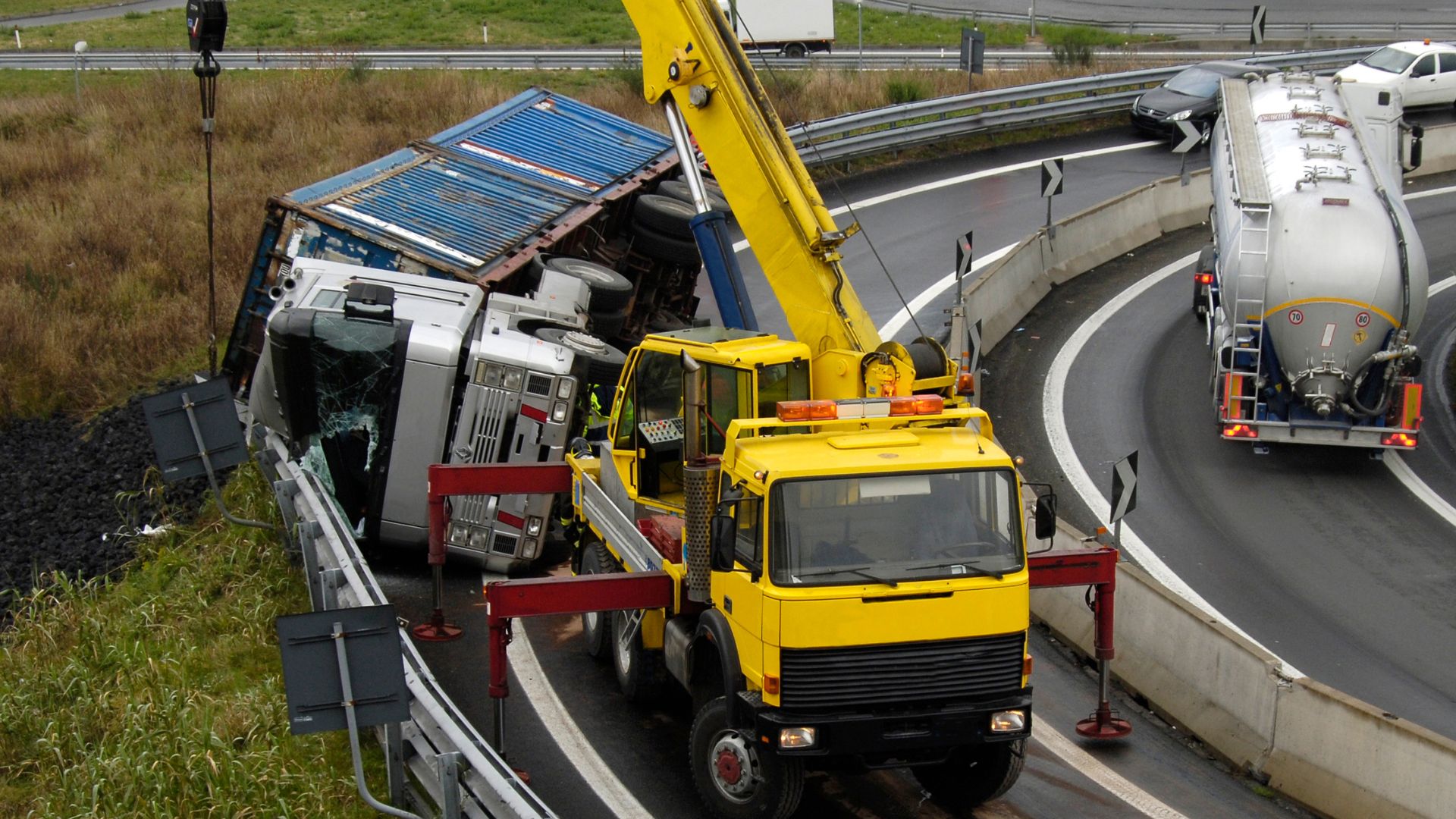
Why Trucking Company Liability Requires A Deeper Investigation
A trucking company may share responsibility when its own choices contributed to the crash. The company may have hired an unsafe driver, skipped training, ignored inspection problems, pushed delivery schedules, or failed to remove a dangerous truck from service. These facts rarely appear in the first police report, so the claim needs a broader review.
Savannah truck accident lawyers may examine company records that show what happened before the truck entered local traffic. Those records can reveal whether the crash came from a preventable safety failure rather than a sudden mistake. This approach helps injured people challenge the carrier’s version with proof instead of assumptions.
Driver Qualification Files Can Reveal Safety Problems
Trucking companies must keep records showing whether a commercial driver meets required safety standards. These files may include prior employment history, license information, training records, crash history, drug and alcohol testing records, and medical certification details. A carrier that overlooks warning signs may place the public at risk.
For example, a driver with repeated violations, poor training, or a history of unsafe driving may create liability for the company that hired them. If that driver later causes a wreck near the port or on I-516, the hiring file may show the carrier had reason to act earlier. That evidence can strengthen a claim against the company, not just the driver.
Unsafe Hiring Can Change The Value Of A Truck Claim
Unsafe hiring evidence can shift a case from a simple driver error claim into a broader corporate negligence claim. It may show that the company failed to screen the driver before handing over a heavy commercial vehicle. This can matter when the wreck caused severe injuries, long-term treatment, or fatal harm.
Savannah truck accident lawyers can use these records to explain why the company should answer for more than the driver’s conduct at the scene. The goal is to show how the carrier’s earlier decisions created the conditions for the crash. That kind of proof often gives the claim stronger settlement leverage.
How Trucking Records Help Prove What Happened
Commercial trucks generate records that passenger cars do not. Electronic logs, GPS data, dispatch notes, inspection reports, maintenance records, and engine data may show speed, braking, route changes, driver hours, and vehicle condition. These records can clarify facts that drivers and insurers later dispute.
Evans Litigation and Trial Law focuses on preserving these materials early. Trucking companies may control the most valuable evidence, so delay can weaken the claim. Early action helps prevent missing records from becoming the carrier’s advantage.
Black Box Data May Show The Final Seconds
Truck electronic control modules can provide details about speed, braking, throttle use, and other vehicle actions before impact. This data can matter in rear-end crashes, lane-change collisions, underride wrecks, and jackknife events. It can test whether the truck driver reacted late or traveled too fast for traffic conditions.
A crash on I-16 near heavy freight movement may involve sudden stops, merging traffic, or limited reaction time. Black box data can help show whether the truck driver slowed properly or failed to respond. That evidence gives the claim a technical foundation that goes beyond competing stories.
Missing Data Can Become A Dispute
Trucking companies may claim that certain data no longer exists or was overwritten during routine operations. That creates a major problem if no preservation demand goes out early. A fast investigation can reduce the risk that important records disappear.
Savannah truck accident lawyers can press for preservation of truck data, driver logs, maintenance files, and related records before the carrier narrows access. This step can protect the injured person from relying only on the police report. It can also reveal contradictions between company statements and electronic evidence.
Why Maintenance Evidence Matters In Savannah Truck Cases
Large trucks require regular inspections and repairs to operate safely. Brake problems, tire failures, lighting defects, steering issues, and trailer problems can turn a preventable maintenance issue into a serious highway crash. Maintenance records can show whether a carrier ignored a known defect before the collision.
Savannah’s freight routes place heavy stress on commercial vehicles. Trucks leaving port areas may carry heavy loads through congested corridors, sharp turns, rail crossings, and stop-and-go traffic. Poor maintenance increases danger in those conditions.
Inspection Reports Can Expose Ignored Defects
Drivers must inspect trucks and report safety problems. If inspection reports show repeated brake warnings, tire concerns, or lighting defects, the carrier may have had notice before the crash. A repair history can show whether the company actually fixed the problem.
For instance, if a truck rear-ends traffic near Garden City after prior brake complaints, inspection records may become central evidence. They can show that the crash did not happen without warning. They may also connect the company’s neglect directly to the impact.
Repair Timing Can Prove Preventable Negligence
The timing of repairs often matters as much as the repair itself. A company that fixes a truck after a crash may try to portray the repair as routine. A closer review can show whether the same issue existed before the wreck.
Savannah truck accident lawyers may compare inspection notes, work orders, invoices, driver reports, and post-crash repairs. This timeline can show whether the trucking company delayed maintenance until after someone got hurt. That proof can make the claim harder for insurers to minimize.
How Cargo And Dispatch Records Expand Liability
Some truck crashes involve more than the driver and carrier. Cargo loaders, freight brokers, shippers, and dispatch operations may affect how a truck moves through Savannah. A load that sits too high, shifts during travel, or exceeds safe weight limits can make the truck harder to stop or control.
Dispatch records may reveal whether the company pushed unrealistic delivery windows. In port-related freight movements, timing pressure can influence speed, rest breaks, and route choices. These records can help explain why a driver acted unsafely before the wreck.
Improper Loading Can Cause Serious Truck Crashes
Cargo loading affects braking distance, stability, and turning control. Uneven freight can increase rollover risk, especially during turns or sudden lane changes. Heavy or unsecured cargo can also worsen impact forces during a collision.
If a tractor-trailer tips, jackknifes, or loses cargo on a Savannah route, loading documents may become key evidence. These records can identify who loaded the trailer and whether the load followed safety standards. They may reveal another responsible party beyond the trucking company.
Delivery Pressure Can Affect Driver Decisions
A driver may speed, skip rest, or continue driving while tired when dispatch demands tight timing. Company messages, route records, and delivery instructions may show whether business pressure influenced unsafe choices. These details can matter when the trucking company claims the driver acted alone.
A strong truck accident claim examines both the driver’s conduct and the system behind that conduct. Evans Litigation and Trial Law can investigate whether the company created pressure that made a Savannah truck crash more likely. That approach helps injured people pursue the full story behind the collision.
Where Serious Truck Accidents Happen Around Savannah, Georgia
Truck crashes in Savannah often happen where freight traffic, commuter traffic, tourism traffic, and local delivery routes overlap, according to GDOT Crash Data. The city’s road network pushes large commercial vehicles through interstate corridors, port routes, industrial zones, bridge approaches, and older urban streets that were not built for constant tractor-trailer movement. These locations create different risks than open highway driving because truck drivers must handle tight turns, sudden stops, merging traffic, construction patterns, and vehicles entering from side streets.
Evans Litigation and Trial Law evaluates the crash location because the place of impact can explain why the wreck happened. A collision near a port gate may involve congestion, container movement, and tight delivery windows. A crash on I-16 may involve highway speed, merging traffic, and limited stopping distance. A wreck near a warehouse entrance may involve blind spots, backing trucks, or drivers crossing several lanes to reach loading areas.
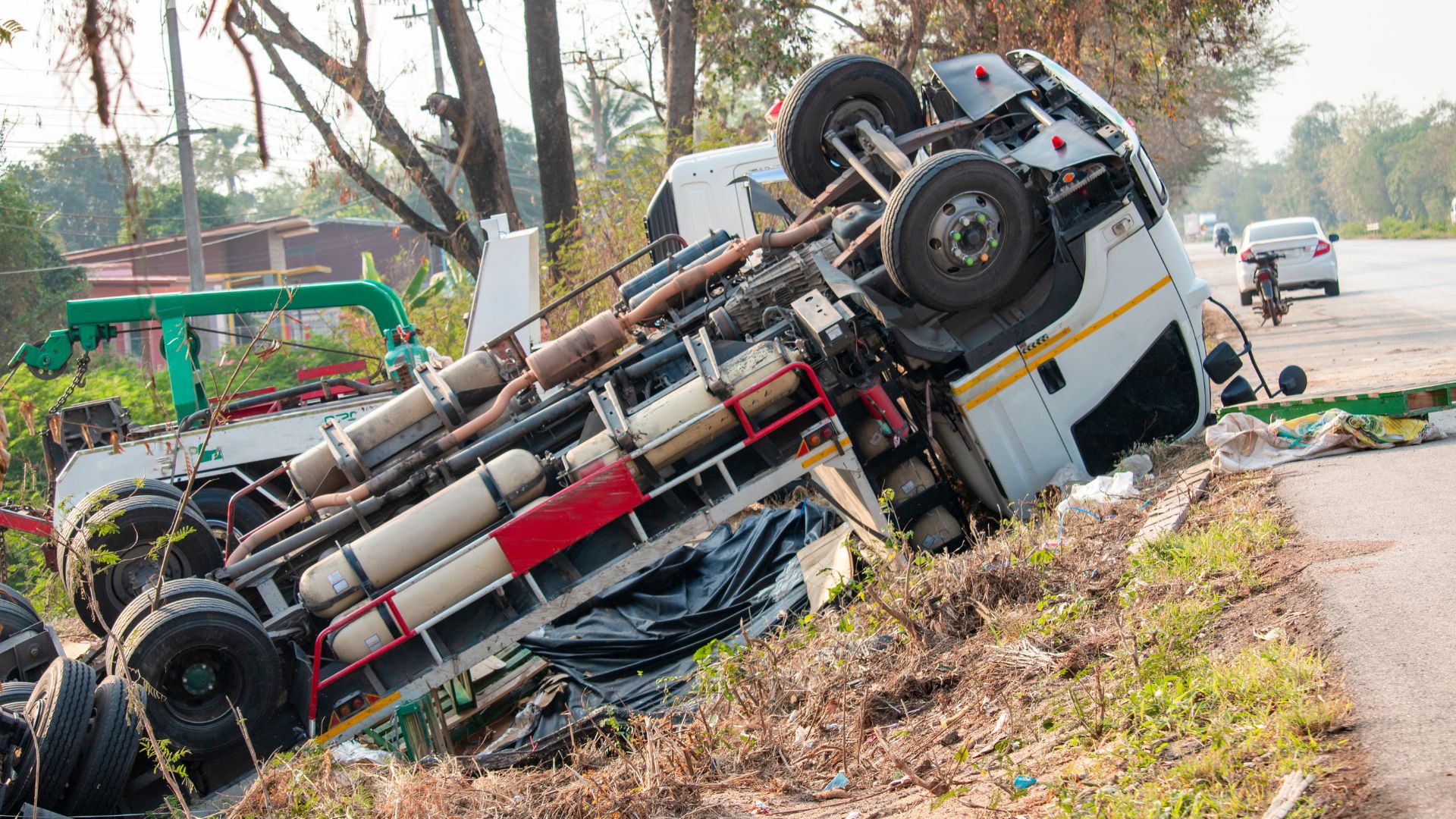
Truck Accidents Near The Port Of Savannah
The Port of Savannah draws container trucks, drayage trucks, freight haulers, and delivery vehicles into nearby roads throughout the day. Truck drivers may move between port gates, warehouses, rail connections, fuel stops, and interstate access points. This constant movement creates crash risk when heavy trucks mix with local drivers who may not expect sudden lane changes or wide turns.
Port-related truck crashes often require a close review of where the truck started, where it was headed, and whether the driver had enough space to operate safely. Savannah truck accident lawyers may examine route timing, nearby gate traffic, commercial staging areas, and whether the driver made an unsafe turn or lane change while moving freight through a congested area.
Garden City Truck Routes Create Local Collision Risks
Garden City sees heavy commercial vehicle movement because of its connection to port operations and industrial traffic. Trucks often travel near warehouses, terminal access roads, rail yards, and major connectors leading back toward Savannah. These areas can create sudden stopping patterns and tight merging points.
A crash in this area may involve more than speed or distraction. The location may show that a truck driver crossed lanes too quickly, blocked traffic while turning, or failed to account for smaller vehicles in blind spots. Location details can help explain why the crash was predictable rather than unavoidable.
Truck Blind Spots Matter Near Port Entrances
Large trucks have blind spots along both sides, behind the trailer, and near the front cab. Near port entrances, drivers may focus on gate access, lane assignments, paperwork, radio communication, or traffic control instructions. That split attention can increase the chance of sideswipe crashes and turning collisions.
For example, a passenger vehicle traveling beside a tractor-trailer near a terminal entrance may disappear from the driver’s view during a lane shift. If the truck moves over without confirming the lane is clear, the impact may push the smaller vehicle toward a curb, barrier, or another lane of traffic.
Interstate 16 Truck Crashes In Savannah
Interstate 16 carries freight traffic between Savannah and inland Georgia. Truck crashes along this corridor often involve highway speed, sudden braking, lane changes, and traffic backups near interchanges. When a truck cannot stop in time, the force of impact can cause severe injuries to people in smaller vehicles.
I-16 crashes may require a review of traffic conditions before impact. A truck driver may claim another vehicle stopped suddenly, yet the crash location may show a long approach with enough distance to slow down. Skid marks, impact location, vehicle crush patterns, and traffic backup reports can help explain whether the truck driver followed too closely or failed to react.
Merge Areas Increase Tractor-Trailer Crash Risk
Merge areas create problems for truck drivers because large vehicles need more room to change speed and position. When traffic enters or exits I-16, drivers may brake unexpectedly or shift lanes to avoid congestion. A truck driver who follows too closely may not have enough distance to respond safely.
These crashes often involve disputes over who entered the lane first or whether another driver cut off the truck. A detailed review of lane position, vehicle damage, and witness statements can help determine whether the truck driver maintained safe control in the merge area.
Rear-End Truck Collisions Need Distance Evidence
Rear-end truck crashes often come down to stopping distance. A loaded truck needs far more room to slow than a passenger car. Speed, weight, road conditions, and driver attention all affect whether the truck could stop before impact.
In a Savannah rear-end truck collision, evidence from the crash scene can show whether the truck driver had enough space to avoid the wreck. Vehicle damage, brake marks, roadway grade, and traffic flow may help prove that the crash resulted from unsafe following distance rather than unavoidable congestion.
Interstate 95 Truck Accident Hotspots Near Savannah
Interstate 95 brings long-distance freight traffic through the Savannah region. Drivers may travel for hours before reaching Chatham County, which can increase fatigue risk and reduce attention near exits, rest areas, and construction zones. High-speed truck traffic also creates severe injury risk when crashes involve lane departures or sudden stops.
18-wheeler truck wrecks on I-95 may involve out-of-state carriers, unfamiliar drivers, and companies based far from Georgia. This can make the investigation more difficult. Evans Litigation and Trial Law looks at route history, driver timing, delivery pressure, and whether the driver had been traveling too long before the collision.
Highway Speed Makes Truck Crashes More Severe
Speed changes everything in a tractor-trailer crash. At highway speed, a commercial truck can cause major damage before the driver has time to correct a mistake. A delayed reaction of only a few seconds can turn a close call into a multi-vehicle collision.
High-speed truck crashes may involve rollovers, underride impacts, jackknife events, or chain-reaction collisions. These wrecks often require detailed review because the final impact location may not show where the dangerous conduct began.
Lane Departure Crashes Need Route Review
Lane departure crashes may happen when a truck drifts because of fatigue, distraction, poor weather, or steering problems. On I-95, even a small drift can force another driver onto the shoulder or into another vehicle. These crashes can become complicated when the truck driver denies leaving the lane.
A route review can help show whether the driver had been on the road for an extended period before the wreck. It can also identify rest stops, delivery schedules, and traffic conditions that may explain fatigue or inattention.
Highway 17 And Bridge Area Truck Crashes
Highway 17 and bridge approaches around Savannah create different risks than open interstate driving. Trucks may encounter changing speeds, curves, traffic signals, tourist traffic, and drivers unfamiliar with local lanes. Heavy trucks also need more space when approaching bridges, turns, and congested intersections.
Crashes in these areas often involve side impacts, wide turns, sudden braking, or lane conflicts. Savannah truck accident lawyers may review whether the truck driver selected the wrong lane, misjudged clearance, or failed to account for slower local traffic.
Wide Turns Can Trap Smaller Vehicles
Large trucks often swing wide before turning. This maneuver can surprise drivers who do not realize the truck needs extra room. If a truck turns across another lane without warning, a smaller vehicle may get trapped beside the trailer.
These crashes can happen near commercial entrances, fuel stations, warehouse driveways, and bridge approach roads. Turn angle, signal use, lane markings, and trailer position can help show whether the driver made the turn safely.
Trailer Swing Can Cause Side Impact Damage
Trailer swing occurs when the rear of the trailer moves into another lane during a turn. A driver may clear the cab but misjudge the trailer path. This can cause side impact damage, crushed doors, broken windows, and serious shoulder or head injuries.
Trailer swing cases often require more than a basic crash report. Photos of scrape marks, impact height, lane position, and road layout can help explain how the truck’s movement caused the collision.
Downtown Savannah Delivery Truck Accidents
Downtown Savannah creates a different kind of truck accident risk. Delivery trucks, box trucks, service vehicles, and commercial vans often share narrow streets with pedestrians, cyclists, rideshare vehicles, tourists, and local drivers. Stops near hotels, restaurants, shops, and loading areas can create sudden hazards.
These crashes may occur at lower speeds, yet injuries can still be serious. A box truck backing near a loading zone can strike a pedestrian or cyclist. A delivery vehicle blocking visibility can contribute to an intersection crash. A commercial driver rushing through a tight street can sideswipe a parked or moving vehicle.
Loading Zones Can Block Driver Visibility
Loading zones can create blind spots for both truck drivers and nearby motorists. A parked delivery truck may block sightlines at intersections or driveways. Drivers pulling around the truck may enter traffic without a clear view.
When a crash happens near a loading zone, the location may explain why both drivers had limited reaction time. Photos, nearby business footage, and vehicle positions can help show whether the commercial vehicle created a dangerous visual obstruction.
Backing Truck Crashes Require Careful Review
Backing crashes often occur when commercial drivers fail to use a spotter, check mirrors, or confirm that the path behind the vehicle is clear. These wrecks can injure pedestrians, cyclists, delivery workers, or drivers in nearby vehicles. They can also happen in alleys, parking lots, loading docks, and hotel service areas.
A backing truck claim may depend on surveillance video, witness accounts, vehicle damage, and company safety rules. Those details can show whether the driver rushed the maneuver or failed to follow basic safety steps before reversing.
How Truck Accident Claims Differ From Car Accident Claims In Savannah
Truck accident claims in Savannah usually involve more evidence, more insurance disputes, more severe injuries, and more corporate involvement than standard car accident cases. A passenger vehicle collision may center on one driver, one insurance adjuster, and a police report. A commercial truck crash can involve the driver, trucking carrier, trailer owner, maintenance company, freight broker, cargo company, dispatch records, and multiple commercial insurance policies.
This difference becomes important quickly near Interstate 16, Interstate 95, Highway 17, Dean Forest Road, Jimmy Deloach Parkway, and roads surrounding the Port of Savannah. Commercial trucks moving through these freight corridors often operate under strict schedules and federal transportation rules. Savannah truck accident lawyers may need to investigate driver fatigue, inspection failures, electronic logging devices, maintenance records, cargo loading practices, and dispatch activity rather than relying only on crash scene photographs and witness statements.
Truck accident claims in Savannah often involve:
- Electronic logging device records showing driving hours and rest periods
- Black box data tracking braking activity, speed, throttle use, and steering input
- Multiple trucking companies connected to the same commercial load
- Corporate insurance carriers defending high-value injury claims
- Maintenance histories involving brakes, tires, steering systems, and trailer equipment
- Cargo loading records tied to rollover crashes and shifting freight
- Federal motor carrier safety regulations that do not apply to ordinary drivers
- Severe injuries involving spinal trauma, brain injuries, fractures, crush injuries, and surgeries
- Company investigators arriving at the scene within hours of a serious crash

Truck Accident Injuries Usually Require More Extensive Medical Care
Commercial truck collisions often create injuries far more severe than those seen in many passenger vehicle crashes. A fully loaded tractor-trailer can weigh tens of thousands of pounds more than a standard vehicle, which increases impact force significantly during a collision. This force can create catastrophic injuries even at moderate speeds.
Truck accident victims in Savannah may require surgery, hospitalization, rehabilitation, neurological treatment, orthopedic care, and long-term physical therapy. Some injuries continue affecting movement, work ability, sleep, concentration, and daily function long after the initial emergency treatment ends. These long-term issues often increase the complexity of truck accident claims.
Spinal Injuries And Brain Trauma Can Develop Slowly
Many truck accident injuries worsen after the first emergency room visit. Herniated discs, nerve compression, traumatic brain injuries, and internal damage may not appear fully during initial examinations. Some injured drivers return home believing the pain will improve, only to experience worsening symptoms days later.
This delay can affect both treatment and insurance disputes. Trucking insurers sometimes argue that delayed symptoms mean the injuries came from another cause. Consistent follow-up treatment, imaging studies, and specialist evaluations help document how the crash affected the body over time.
Long-Term Work Restrictions Can Affect Financial Recovery
Truck accident injuries may prevent injured people from returning to physically demanding work. Savannah workers employed in warehousing, shipping, manufacturing, hospitality, healthcare, construction, and delivery services often rely on lifting ability, mobility, driving, or long shifts. Back injuries, shoulder damage, and neurological symptoms can interfere with those responsibilities.
For example, a port employee injured in a truck crash may initially attempt to return to work before worsening spinal pain limits standing and lifting. Physician restrictions, treatment records, and employment documentation can help explain how the injury changed the person’s ability to earn income.
Contact Evans Litigation And Trial Law After A Savannah Truck Crash – Free Case Reviews
Alfred Evans brings years of litigation experience that includes prior work involving trucking companies and insurers. That background helps identify how commercial carriers investigate crashes and where important evidence may exist after a wreck near the Port of Savannah, Interstate 16, Interstate 95, or other heavy freight corridors. Savannah truck accident lawyers from Evans Litigation and Trial Law can review the 18-wheeler, delivery truck, or commercial vehicle collision, explain what records may matter, and help protect the claim before insurance companies shape the case around incomplete facts.
If a truck crash has left you dealing with injuries, missed work, ongoing treatment, or pressure from commercial insurers, call (678) 613-2797 or contact us today to speak with Evans Litigation and Trial Law about your next steps after a Savannah truck accident.
Practice Areas
Trust Us With Your Personal Injury Claim
If you or a loved one have been injured, Goldberg & Loren will fight for you every step of the way. We will give our all to secure the compensation you rightfully deserve.


Contact usfor a free consultation.
Phone: (304) 449-5157